
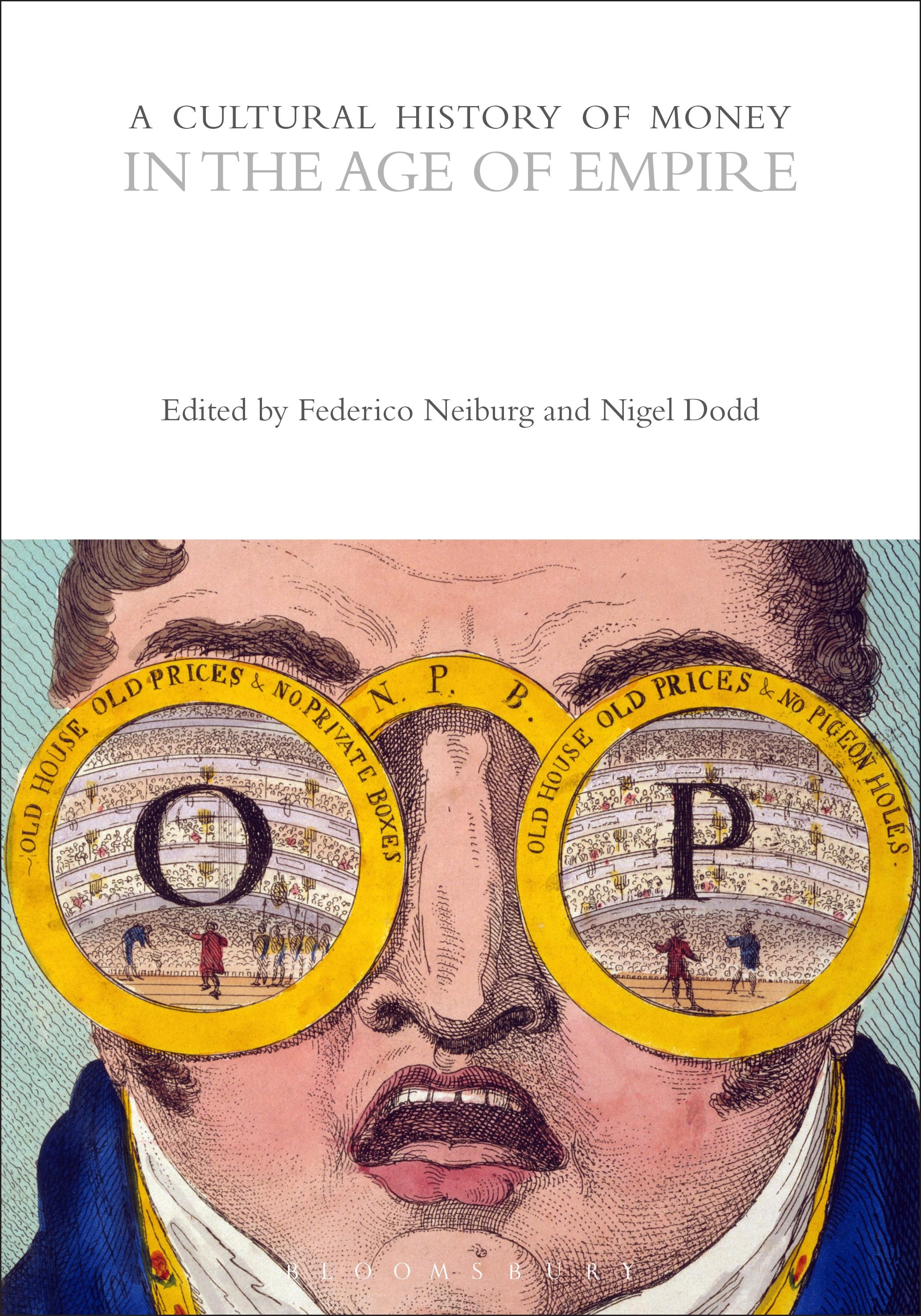
The nineteenth century was a time of intense monetization of social life: increasingly money became the only means of access to goods and services, especially in the new metropolises; new technologies and infrastructures emerged for saving and circulating money and for standardizing coinage; and paper currencies were printed, founded purely on trust without any intrinsic metallic value. But the monetary landscape was ambivalent so that the forces unifying monetary practice (imperial and national currencies, global monetary standards such as the gold standard) coexisted with the proliferation of local currencies. Money became a central issue in politics, the arts, and sciences - and the modern discipline of economics was born, with its claim to a monopoly on knowing and governing money.
Drawing upon a wealth of visual and textual sources, A Cultural History of Money in the Age of Empire presents essays that examine key cultural case studies of the period on the themes of technologies, ideas, ritual and religion, the everyday, art and representation, interpretation, and the issues of the age.
Drawing upon a wealth of visual and textual sources, A Cultural History of Money in the Age of Empire presents essays that examine key cultural case studies of the period on the themes of technologies, ideas, ritual and religion, the everyday, art and representation, interpretation, and the issues of the age.
Betal enkelt med kort, Klarna, Apple Pay eller Google Pay. Ikke fornøyd? Du har alltid 14 dagers angrerett. Les mer i våre vilkår. Har du spørsmål, send oss en e-post på hello@memmo.org.
Memmo gjør det enklere å studere – uansett hvor du er i verden. Hos oss samler du pensumbøker og smarte studieverktøy på ett og samme sted: sammendrag, quizer, podkaster og flashcards. Og så Ted, din studiekompis som svarer på alt du lurer på. Over 50 000 studenter studerer allerede her – bygget for at du skal lære raskere og stresse mindre.