
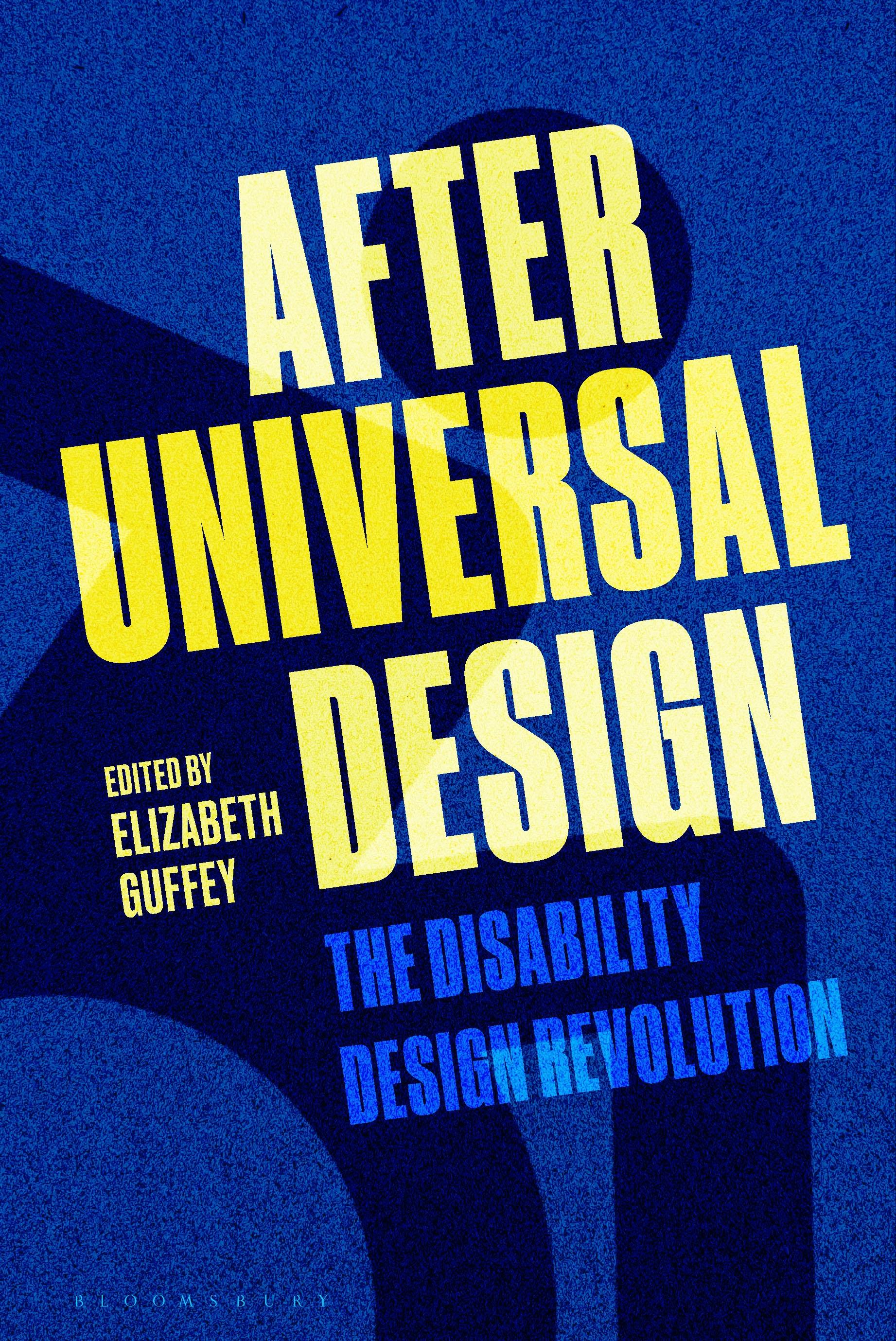
How might we develop products made with and by disabled users rather than for them? Could we change living and working spaces to make them accessible rather than designing products that "fix" disabilities? How can we grow our capabilities to make designs more “bespoke” to each individual? After Universal Design brings together scholars, practitioners, and disabled users and makers to consider these questions and to argue for the necessity of a new user-centered design.
As many YouTube videos demonstrate, disabled designers are not only fulfilling the grand promises of DIY design but are also questioning what constitutes meaningful design itself. By forcing a rethink of the top-down professionalized practice of Universal Design, which has dominated thinking and practice around design for disability for decades, this book models what inclusive design and social justice can look like as activism, academic research, and everyday life practices today.
With chapters, case studies, and interviews exploring questions of design and personal agency, hardware and spaces, the experiences of prosthetics' users, conventional hearing aid devices designed to suit personal style, and ways of facilitating pain self-reporting, these essays expand our understanding of what counts as design by offering alternative narratives about creativity and making. Using critical perspectives on disability, race, and gender, this book allow us to understand how design often works in the real world and challenges us to rethink ideas of "inclusion" in design.
As many YouTube videos demonstrate, disabled designers are not only fulfilling the grand promises of DIY design but are also questioning what constitutes meaningful design itself. By forcing a rethink of the top-down professionalized practice of Universal Design, which has dominated thinking and practice around design for disability for decades, this book models what inclusive design and social justice can look like as activism, academic research, and everyday life practices today.
With chapters, case studies, and interviews exploring questions of design and personal agency, hardware and spaces, the experiences of prosthetics' users, conventional hearing aid devices designed to suit personal style, and ways of facilitating pain self-reporting, these essays expand our understanding of what counts as design by offering alternative narratives about creativity and making. Using critical perspectives on disability, race, and gender, this book allow us to understand how design often works in the real world and challenges us to rethink ideas of "inclusion" in design.
Sider: 240
Kategori: Konst, Design & Fotografi
e-ISBN: 9781350241527
Fraktvekt: 1.2 kg
Sendes innen: 1-2 dager
Betal enkelt med kort, Klarna, Apple Pay eller Google Pay. Ikke fornøyd? Du har alltid 14 dagers angrerett. Les mer i våre vilkår. Har du spørsmål, send oss en e-post på hello@memmo.org.
Memmo gjør det enklere å studere – uansett hvor du er i verden. Hos oss samler du pensumbøker og smarte studieverktøy på ett og samme sted: sammendrag, quizer, podkaster og flashcards. Og så Ted, din studiekompis som svarer på alt du lurer på. Over 50 000 studenter studerer allerede her – bygget for at du skal lære raskere og stresse mindre.