
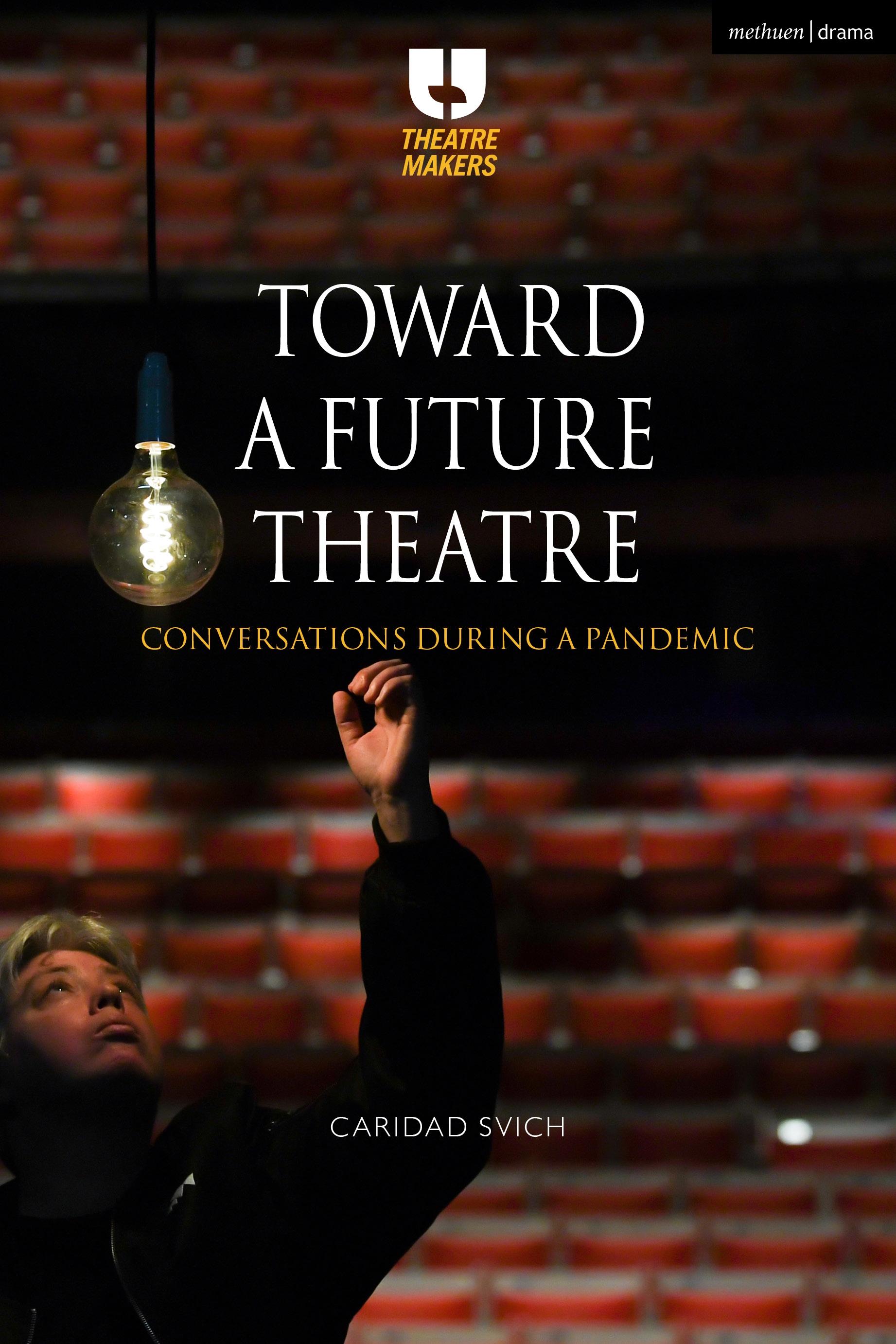
Featuring conversations with theatre makers in the US and UK during the first 8 months of the Covid-19 lockdown, this collection reveals the innovations in digital theatre as artists, companies and theatres had to adjust to the restrictions and formulate new ways of working and reaching audiences. Besides documenting in their own words the work that was generated, this book captures the artists' dreams for a new post-Covid reality in which theatre is reimagined and issues of racial and economic injustice are addressed.
With conversations grouped under 5 broad areas, a host of theatre makers candidly discuss the present and the future of theatre:
* R/evolution: How should theatre evolve rather than re-set? What kind of field could this be, if the arts sector is to survive in the US and UK and if white supremacist, classist, ableist, and patriarchal structures are dismantled, and acts of regeneration and reformation occur?
* What does theatre look like at the local and hyper-local level and when working with young people and communities at risk?
* What are the challenges of creating work in the digital realm and/or exploring socially distanced performance in new ways?
* How may theatre address social inequalities and be a place for acts of political and artistic resistance? How has the pandemic galvanised their commitments to communities, arts advocacy, use of languages on the stage and page, and considerations of the living archive?
* Acts of communion with audiences, readers, fellow artists, students, and within ensembles and collectives. How do we find new ways to gather and make when liveness and the shared experience are challenged?
With conversations grouped under 5 broad areas, a host of theatre makers candidly discuss the present and the future of theatre:
* R/evolution: How should theatre evolve rather than re-set? What kind of field could this be, if the arts sector is to survive in the US and UK and if white supremacist, classist, ableist, and patriarchal structures are dismantled, and acts of regeneration and reformation occur?
* What does theatre look like at the local and hyper-local level and when working with young people and communities at risk?
* What are the challenges of creating work in the digital realm and/or exploring socially distanced performance in new ways?
* How may theatre address social inequalities and be a place for acts of political and artistic resistance? How has the pandemic galvanised their commitments to communities, arts advocacy, use of languages on the stage and page, and considerations of the living archive?
* Acts of communion with audiences, readers, fellow artists, students, and within ensembles and collectives. How do we find new ways to gather and make when liveness and the shared experience are challenged?
Betal enkelt med kort, Klarna, Apple Pay eller Google Pay. Ikke fornøyd? Du har alltid 14 dagers angrerett. Les mer i våre vilkår. Har du spørsmål, send oss en e-post på hello@memmo.org.
Memmo gjør det enklere å studere – uansett hvor du er i verden. Hos oss samler du pensumbøker og smarte studieverktøy på ett og samme sted: sammendrag, quizer, podkaster og flashcards. Og så Ted, din studiekompis som svarer på alt du lurer på. Over 50 000 studenter studerer allerede her – bygget for at du skal lære raskere og stresse mindre.