
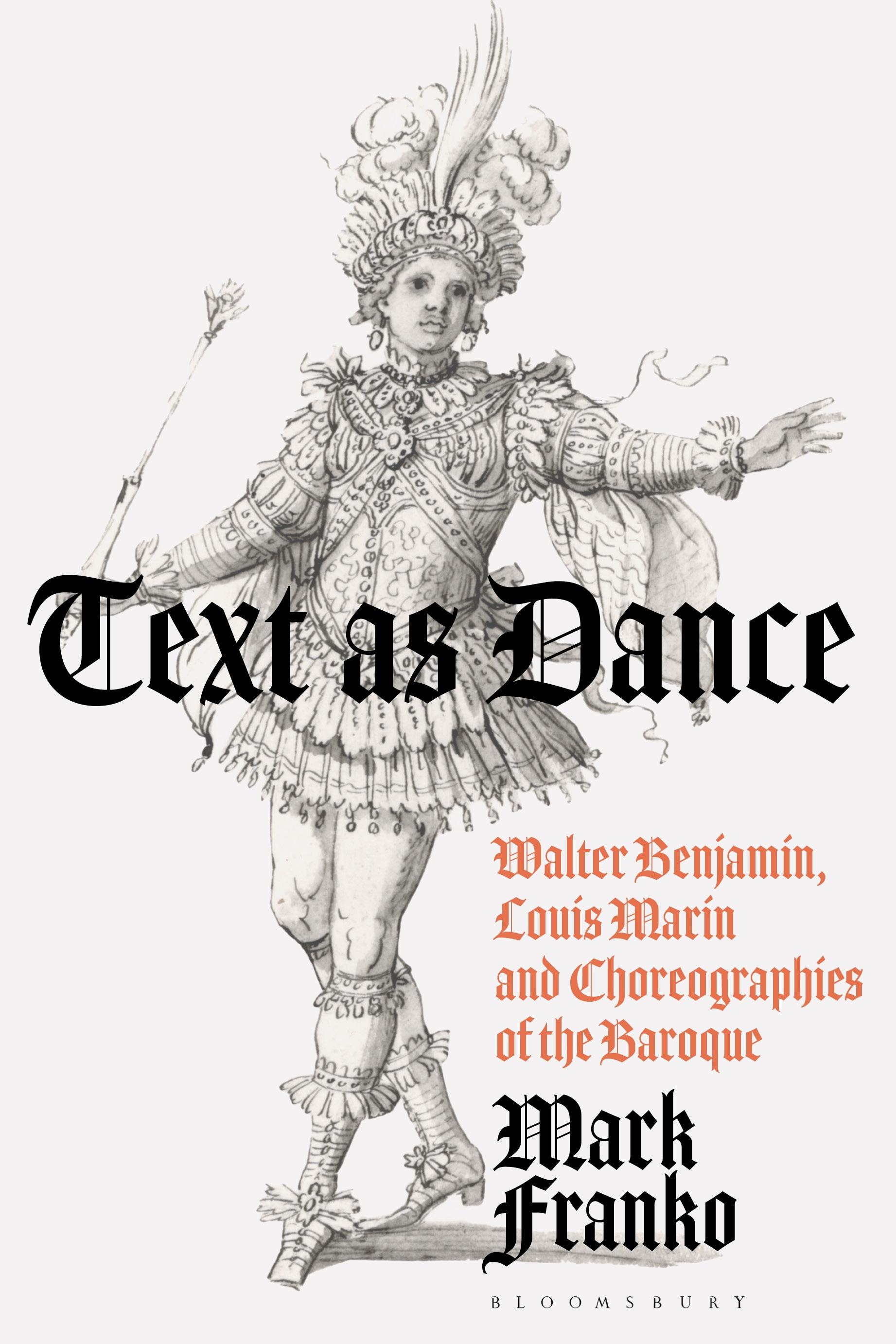
This book offers a groundbreaking investigation into issues of gender, power and the representation of sovereignty in French Baroque court ballet – and in today's performances that recall them.
Mark Franko uses powerful interpretive tools derived from historiography and critical theory, especially the work of German-Jewish philosopher Walter Benjamin, to offer the reader both a historical and a theoretical interpretation of this genre of dance in France (c. 1615–1654), as well as its aftermath and legacy today.
Through doing so, he reaches conclusions about how sovereignty and power were both perceived by viewers at the time and how they were represented through dance, given that it was the noble class who devised and performed court ballets. He enquires into the role of choreography and theatricality as potentially critical forces operating at the heart of sovereignty.
Franko places the work of Louis Marin on power, representation and movement in French Baroque painting and performance in juxtaposition to that of Benjamin on theater. Other historians whose work is prominent in this study are Ernst Kantorowicz, Michel Foucault and José Antonio Maravall.
With wide breadth in the work of historians, philosophers, political scientists, critical theorists, musicologists and dance historians, this is the culmination of a career's-worth of scholarship and research in the field.
Mark Franko uses powerful interpretive tools derived from historiography and critical theory, especially the work of German-Jewish philosopher Walter Benjamin, to offer the reader both a historical and a theoretical interpretation of this genre of dance in France (c. 1615–1654), as well as its aftermath and legacy today.
Through doing so, he reaches conclusions about how sovereignty and power were both perceived by viewers at the time and how they were represented through dance, given that it was the noble class who devised and performed court ballets. He enquires into the role of choreography and theatricality as potentially critical forces operating at the heart of sovereignty.
Franko places the work of Louis Marin on power, representation and movement in French Baroque painting and performance in juxtaposition to that of Benjamin on theater. Other historians whose work is prominent in this study are Ernst Kantorowicz, Michel Foucault and José Antonio Maravall.
With wide breadth in the work of historians, philosophers, political scientists, critical theorists, musicologists and dance historians, this is the culmination of a career's-worth of scholarship and research in the field.
Sider: 256
Kategori: Drama, Teater & Scenkonst
e-ISBN: 9781350236905
Fraktvekt: 1.2 kg
Sendes innen: 1-2 dager
Betal enkelt med kort, Klarna, Apple Pay eller Google Pay. Ikke fornøyd? Du har alltid 14 dagers angrerett. Les mer i våre vilkår. Har du spørsmål, send oss en e-post på hello@memmo.org.
Memmo gjør det enklere å studere – uansett hvor du er i verden. Hos oss samler du pensumbøker og smarte studieverktøy på ett og samme sted: sammendrag, quizer, podkaster og flashcards. Og så Ted, din studiekompis som svarer på alt du lurer på. Over 50 000 studenter studerer allerede her – bygget for at du skal lære raskere og stresse mindre.