
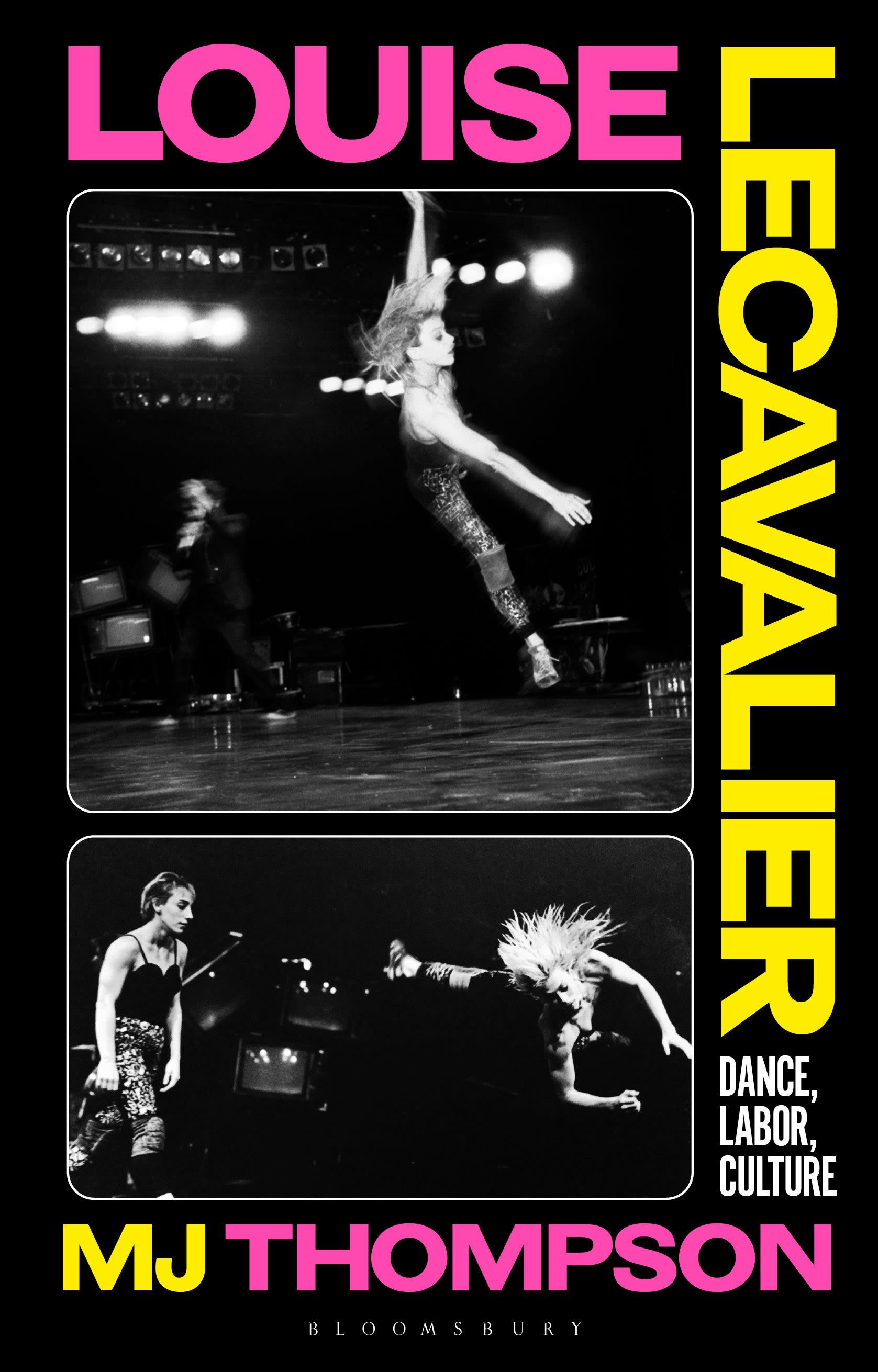
As principal dancer with Montréal-based company La La La Human Steps, Louise Lecavalier was among the most iconic dancers of her generation: strong, muscled, androgynous, punk. Moving with spectacular speed, precision and an athletic physicality, her commitment to dancing would ultimately transform the potential of what bodies within Western concert dance could do.
Drawing on extensive oral history accounts and archival material, the book follows Lecavalier's impact on the evolving aesthetic of La La La Human Steps, via the development of its early repertoire, and offers the first sustained account of her 1982 solo Non, Non, Non, je ne suis pas Mary Poppins. More, it tracks diverse influences and sources for the repertoire, complicating understandings of nationalism in Québec, while marking the significance of the collective in generating new aesthetics. What emerges is a portrait of the dancer as artist, icon, labourer and mover of cultural discourse.
Featuring an expansive set of photos and ephemera, including performance documentation by photographer/activist Linda Dawn Hammond, production images by choreographer Édouard Lock and street photography by key players in the 1980s Montréal scene, this study offers a critical and celebratory appraisal of Lecavalier's unique contribution and the role of the dancer more broadly as a producer of culture.
Drawing on extensive oral history accounts and archival material, the book follows Lecavalier's impact on the evolving aesthetic of La La La Human Steps, via the development of its early repertoire, and offers the first sustained account of her 1982 solo Non, Non, Non, je ne suis pas Mary Poppins. More, it tracks diverse influences and sources for the repertoire, complicating understandings of nationalism in Québec, while marking the significance of the collective in generating new aesthetics. What emerges is a portrait of the dancer as artist, icon, labourer and mover of cultural discourse.
Featuring an expansive set of photos and ephemera, including performance documentation by photographer/activist Linda Dawn Hammond, production images by choreographer Édouard Lock and street photography by key players in the 1980s Montréal scene, this study offers a critical and celebratory appraisal of Lecavalier's unique contribution and the role of the dancer more broadly as a producer of culture.
Sider: 256
Kategori: Drama, Teater & Scenkonst
e-ISBN: 9781350195219
Fraktvekt: 1.2 kg
Sendes innen: 1-2 dager
Betal enkelt med kort, Klarna, Apple Pay eller Google Pay. Ikke fornøyd? Du har alltid 14 dagers angrerett. Les mer i våre vilkår. Har du spørsmål, send oss en e-post på hello@memmo.org.
Memmo gjør det enklere å studere – uansett hvor du er i verden. Hos oss samler du pensumbøker og smarte studieverktøy på ett og samme sted: sammendrag, quizer, podkaster og flashcards. Og så Ted, din studiekompis som svarer på alt du lurer på. Over 50 000 studenter studerer allerede her – bygget for at du skal lære raskere og stresse mindre.