
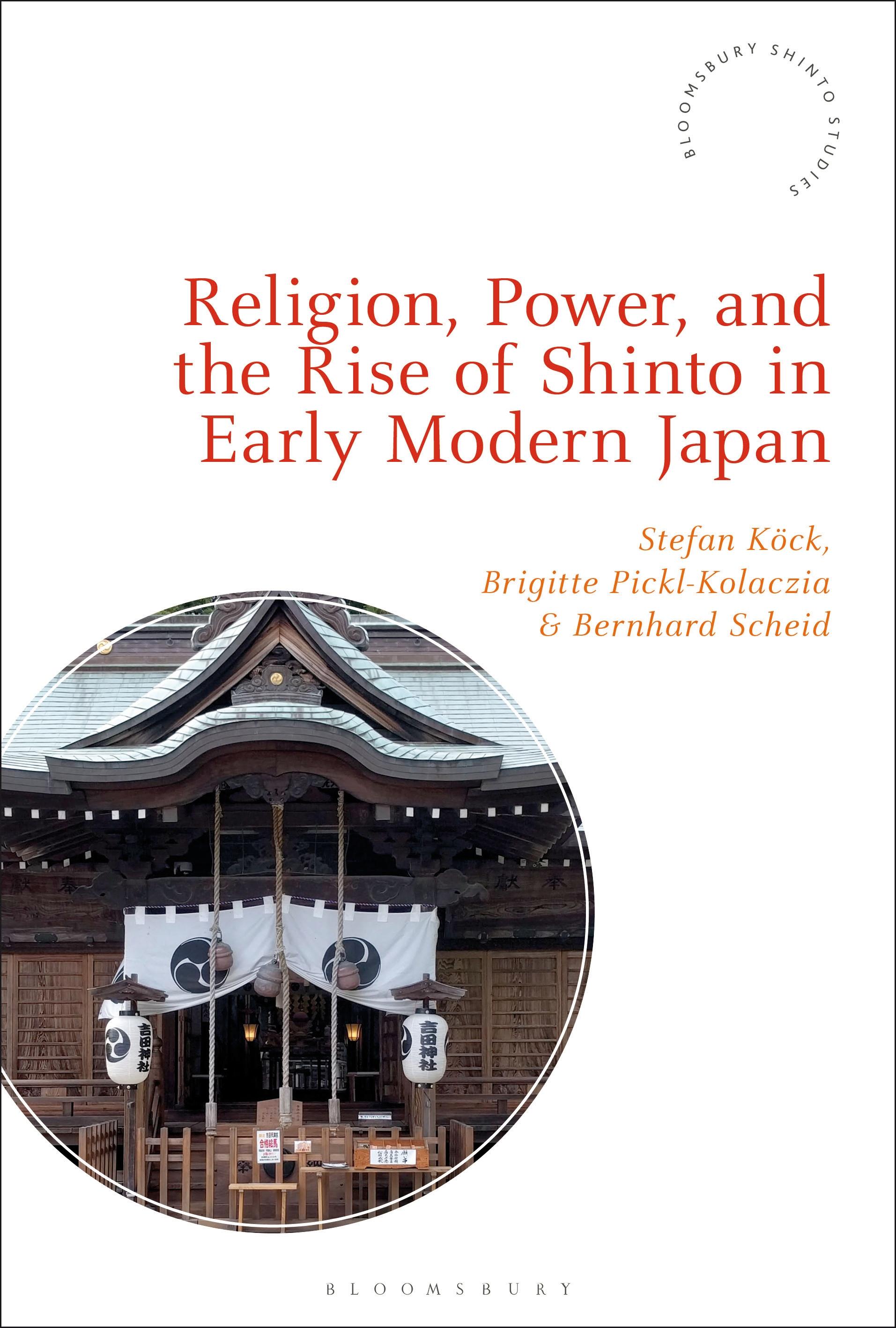
This book sheds new light on the relationship between religion and state in early modern Japan, and demonstrates the growing awareness of Shinto in both the political and the intellectual elite of Tokugawa Japan, even though Buddhism remained the privileged means of stately religious control.
The first part analyses how the Tokugawa government aimed to control the populace via Buddhism and at the same time submitted Buddhism to the sacralization of the Tokugawa dynasty. The second part focuses on the religious protests throughout the entire period, with chapters on the suppression of Christians, heterodox Buddhist sects, and unwanted folk practitioners. The third part tackles the question of why early Tokugawa Confucianism was particularly interested in “Shinto” as an alternative to Buddhism and what “Shinto” actually meant from a Confucian stance.
The final part of the book explores attempts to curtail the institutional power of Buddhism by reforming Shinto shrines, an important step in the so called “Shintoization of shrines” including the development of a self-contained Shinto clergy.
The first part analyses how the Tokugawa government aimed to control the populace via Buddhism and at the same time submitted Buddhism to the sacralization of the Tokugawa dynasty. The second part focuses on the religious protests throughout the entire period, with chapters on the suppression of Christians, heterodox Buddhist sects, and unwanted folk practitioners. The third part tackles the question of why early Tokugawa Confucianism was particularly interested in “Shinto” as an alternative to Buddhism and what “Shinto” actually meant from a Confucian stance.
The final part of the book explores attempts to curtail the institutional power of Buddhism by reforming Shinto shrines, an important step in the so called “Shintoization of shrines” including the development of a self-contained Shinto clergy.
Betal enkelt med kort, Klarna, Apple Pay eller Google Pay. Ikke fornøyd? Du har alltid 14 dagers angrerett. Les mer i våre vilkår. Har du spørsmål, send oss en e-post på hello@memmo.org.
Memmo gjør det enklere å studere – uansett hvor du er i verden. Hos oss samler du pensumbøker og smarte studieverktøy på ett og samme sted: sammendrag, quizer, podkaster og flashcards. Og så Ted, din studiekompis som svarer på alt du lurer på. Over 50 000 studenter studerer allerede her – bygget for at du skal lære raskere og stresse mindre.