
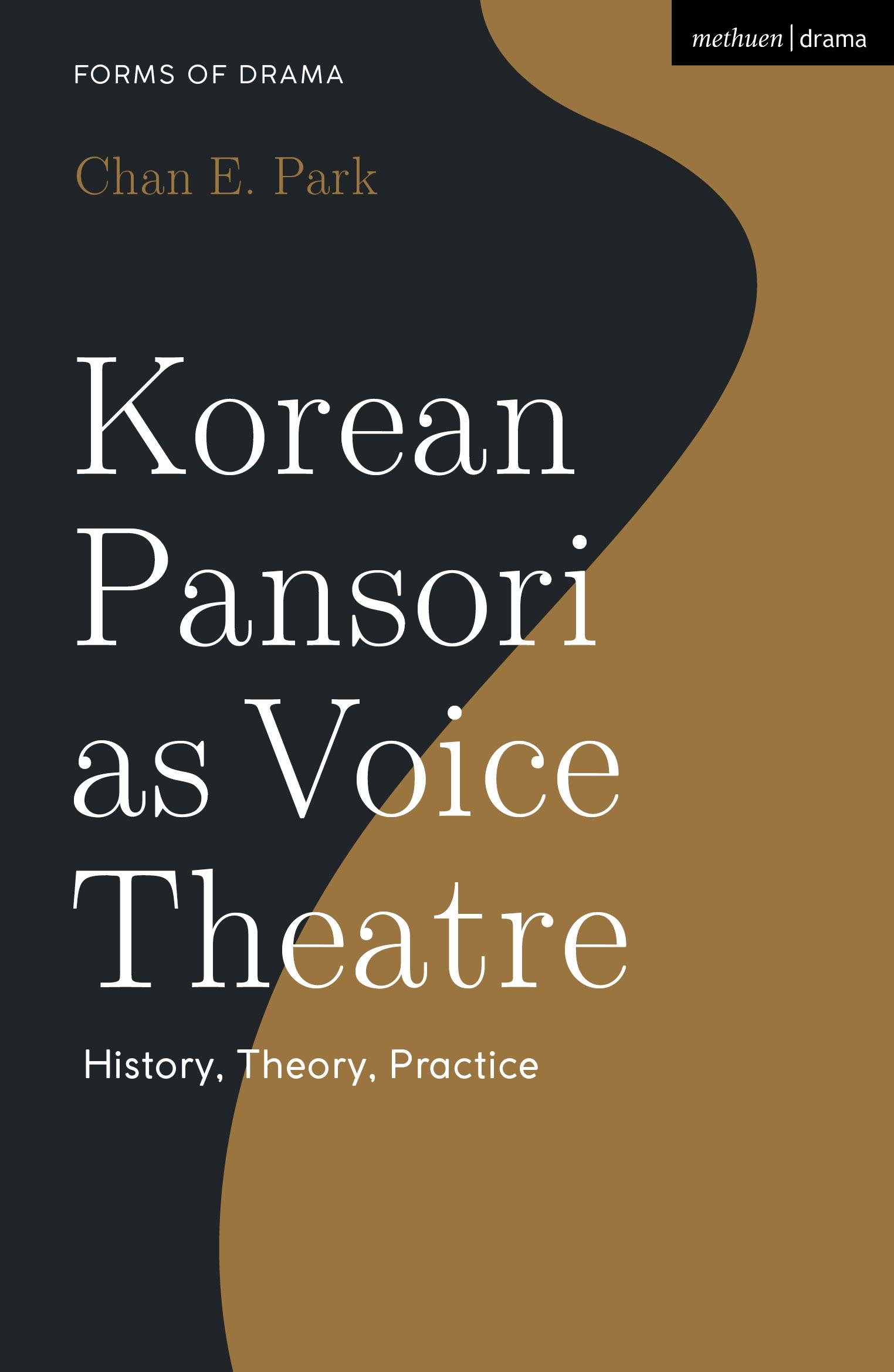
This book introduces readers to the historical, performative, and cultural context of pansori, a traditional Korean oral story-singing art.
Written by a scholar-practitioner of the form, this study is structured in three parts and begins by introducing readers to the technical, aesthetic, and theoretical components of pansori, as well as the synthesis of vocal and percussive elements that stage the narrative. It moves on to reflect on the historical contexts of pansori, alongside Korea's transformation from Joseon monarchy to modern statehood. It argues that with colonial annexation came modernist influences that Korean dramatists and audiences used to create new genres of performance, using the common thread of pansori.
The book's third part explores the interplay of preservation and innovation, beginning in the post-war period and continuing with developments in the 20th and 21st centuries that coincide with Korea's imprint on cultural globalization. Along with Korea's growth as a world economic center, a growing enthusiasm for Korean culture around the world has increased the transmission and visibility of pansori. This study argues that tradition and innovation are not as divergent as they are sometimes imagined to be and that tradition is the force that enables innovation. Drawing on Chan E. Park's ethnographic work and performance practice, this book interweaves expert knowledge of both the textual and performative aspects of pansori, rendering legible this dramatic tradition.
Written by a scholar-practitioner of the form, this study is structured in three parts and begins by introducing readers to the technical, aesthetic, and theoretical components of pansori, as well as the synthesis of vocal and percussive elements that stage the narrative. It moves on to reflect on the historical contexts of pansori, alongside Korea's transformation from Joseon monarchy to modern statehood. It argues that with colonial annexation came modernist influences that Korean dramatists and audiences used to create new genres of performance, using the common thread of pansori.
The book's third part explores the interplay of preservation and innovation, beginning in the post-war period and continuing with developments in the 20th and 21st centuries that coincide with Korea's imprint on cultural globalization. Along with Korea's growth as a world economic center, a growing enthusiasm for Korean culture around the world has increased the transmission and visibility of pansori. This study argues that tradition and innovation are not as divergent as they are sometimes imagined to be and that tradition is the force that enables innovation. Drawing on Chan E. Park's ethnographic work and performance practice, this book interweaves expert knowledge of both the textual and performative aspects of pansori, rendering legible this dramatic tradition.
Sider: 256
Kategori: Drama, Teater & Scenkonst
e-ISBN: 9781350174894
Fraktvekt: 1.2 kg
Sendes innen: 1-2 dager
Betal enkelt med kort, Klarna, Apple Pay eller Google Pay. Ikke fornøyd? Du har alltid 14 dagers angrerett. Les mer i våre vilkår. Har du spørsmål, send oss en e-post på hello@memmo.org.
Memmo gjør det enklere å studere – uansett hvor du er i verden. Hos oss samler du pensumbøker og smarte studieverktøy på ett og samme sted: sammendrag, quizer, podkaster og flashcards. Og så Ted, din studiekompis som svarer på alt du lurer på. Over 50 000 studenter studerer allerede her – bygget for at du skal lære raskere og stresse mindre.