
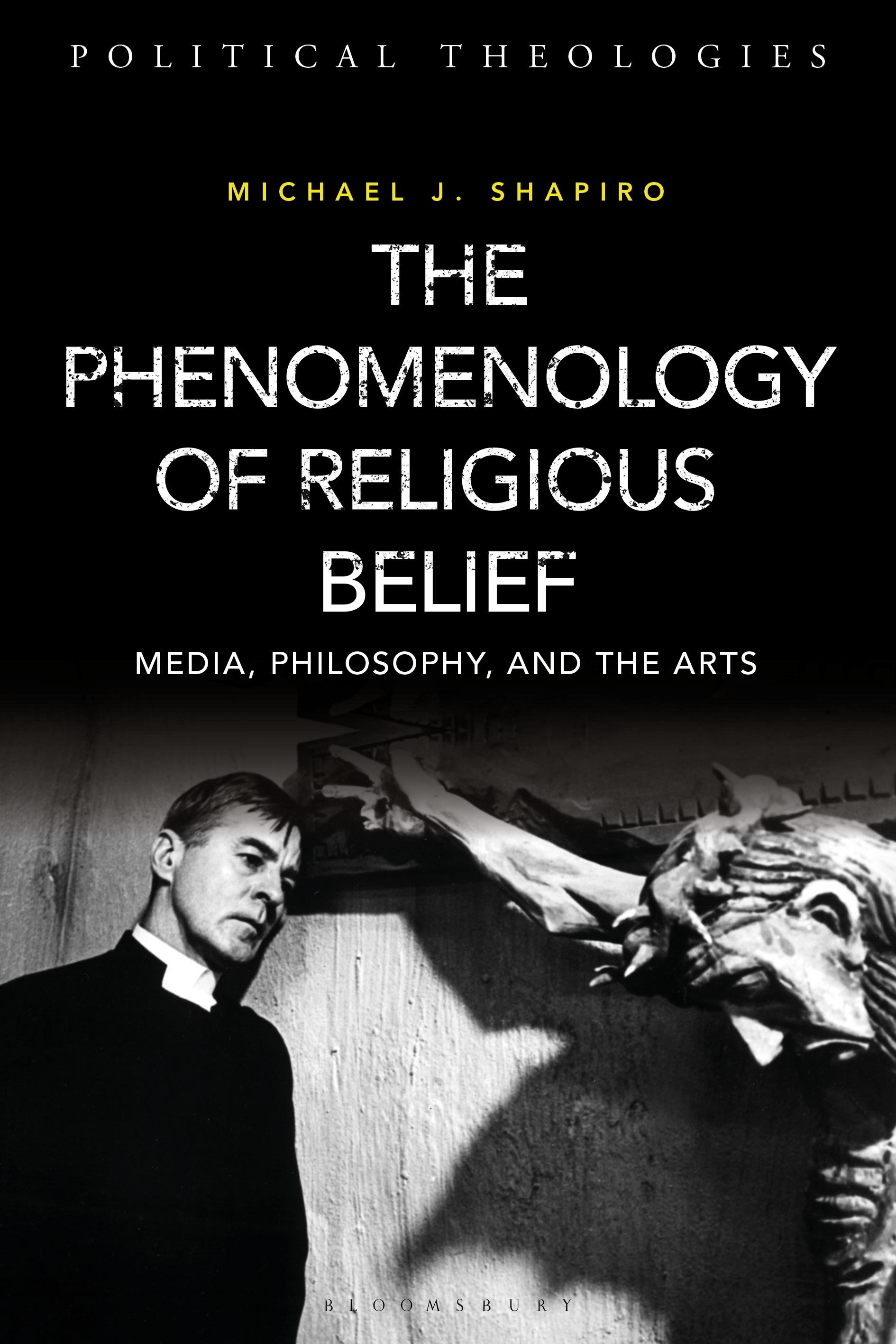
In The Phenomenology of Religious Belief, the renowned philosopher Michael J. Shapiro investigates how art – and in particular literature and film – can impact upon both traditional interpretations and critical studies of religious beliefs and experiences.
In doing so, he examines the work of prolific and award-winning writers such as Toni Morrison, Philip K. Dick and Robert Coover. By placing their work in conjunction with critical analyses of media by the likes of Ingmar Bergman and Pier Paolo Pasolini and combining it with the work of groundbreaking thinkers such as George Canguilhem, Giorgio Agamben and Slavoj Žižek, Shapiro takes a truly interdisciplinary approach to the question of how life should be lived. His assessment of phenomenological subjectivity also leads him to question the nature of political theology and extend the criticism of Pauline theology.
In doing so, he examines the work of prolific and award-winning writers such as Toni Morrison, Philip K. Dick and Robert Coover. By placing their work in conjunction with critical analyses of media by the likes of Ingmar Bergman and Pier Paolo Pasolini and combining it with the work of groundbreaking thinkers such as George Canguilhem, Giorgio Agamben and Slavoj Žižek, Shapiro takes a truly interdisciplinary approach to the question of how life should be lived. His assessment of phenomenological subjectivity also leads him to question the nature of political theology and extend the criticism of Pauline theology.
Betal enkelt med kort, Klarna, Apple Pay eller Google Pay. Ikke fornøyd? Du har alltid 14 dagers angrerett. Les mer i våre vilkår. Har du spørsmål, send oss en e-post på hello@memmo.org.
Memmo gjør det enklere å studere – uansett hvor du er i verden. Hos oss samler du pensumbøker og smarte studieverktøy på ett og samme sted: sammendrag, quizer, podkaster og flashcards. Og så Ted, din studiekompis som svarer på alt du lurer på. Over 50 000 studenter studerer allerede her – bygget for at du skal lære raskere og stresse mindre.