
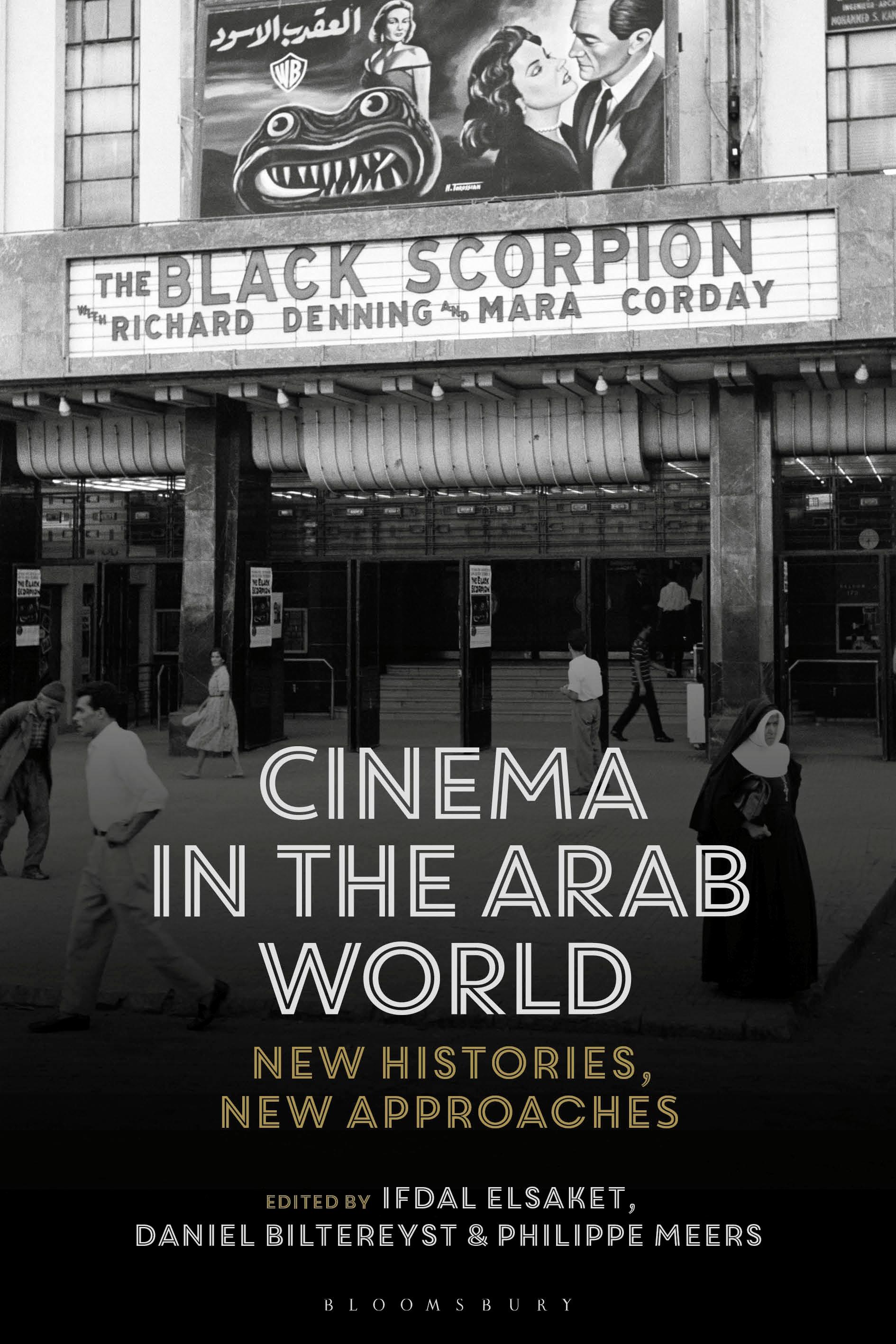
Cinema in the Arab world has been the subject of varied and rigorous studies, but most have focused on films as text, providing in-depth analyses of plot, style, ideologies, or examination of the biographies of prominent directors or actors.
This innovative new volume shifts the focus on Arab cinema off-screen, to examine the histories, politics, and conditions of distribution, exhibition, and cinema-going in the Arab world. Through broadening the frame of study beyond the screen, the book widens understanding of the cinema, not merely as a collection of films-as-texts, but as a site of cultural and political contestation in the Arab world.
Divided into two sections, and guided by interdisciplinary considerations, the contributors examine historical and contemporary issues of Arab cinema in terms of the experience of movie-going and filmmaking. They examine the networks of distribution and exhibition, as well as the contested and multiple meanings that the cinema embodied through diverse historical periods and geographical locations. Part I focuses on new histories of Arab cinema in terms of film production, distribution, exhibition and audience's experiences of cinema-going. Part II deals with more recent issues within scholarship on Arab cinema such as issues of politics, economics, ideologies, as well as issues related to Arab movies' international circulation and screenings at festivals. Together, the chapters enrich our understanding of the cinema in the Arab world, showing how deeply embedded it is within its social, political, and economic contexts.
This innovative new volume shifts the focus on Arab cinema off-screen, to examine the histories, politics, and conditions of distribution, exhibition, and cinema-going in the Arab world. Through broadening the frame of study beyond the screen, the book widens understanding of the cinema, not merely as a collection of films-as-texts, but as a site of cultural and political contestation in the Arab world.
Divided into two sections, and guided by interdisciplinary considerations, the contributors examine historical and contemporary issues of Arab cinema in terms of the experience of movie-going and filmmaking. They examine the networks of distribution and exhibition, as well as the contested and multiple meanings that the cinema embodied through diverse historical periods and geographical locations. Part I focuses on new histories of Arab cinema in terms of film production, distribution, exhibition and audience's experiences of cinema-going. Part II deals with more recent issues within scholarship on Arab cinema such as issues of politics, economics, ideologies, as well as issues related to Arab movies' international circulation and screenings at festivals. Together, the chapters enrich our understanding of the cinema in the Arab world, showing how deeply embedded it is within its social, political, and economic contexts.
Betal enkelt med kort, Klarna, Apple Pay eller Google Pay. Ikke fornøyd? Du har alltid 14 dagers angrerett. Les mer i våre vilkår. Har du spørsmål, send oss en e-post på hello@memmo.org.
Memmo gjør det enklere å studere – uansett hvor du er i verden. Hos oss samler du pensumbøker og smarte studieverktøy på ett og samme sted: sammendrag, quizer, podkaster og flashcards. Og så Ted, din studiekompis som svarer på alt du lurer på. Over 50 000 studenter studerer allerede her – bygget for at du skal lære raskere og stresse mindre.