
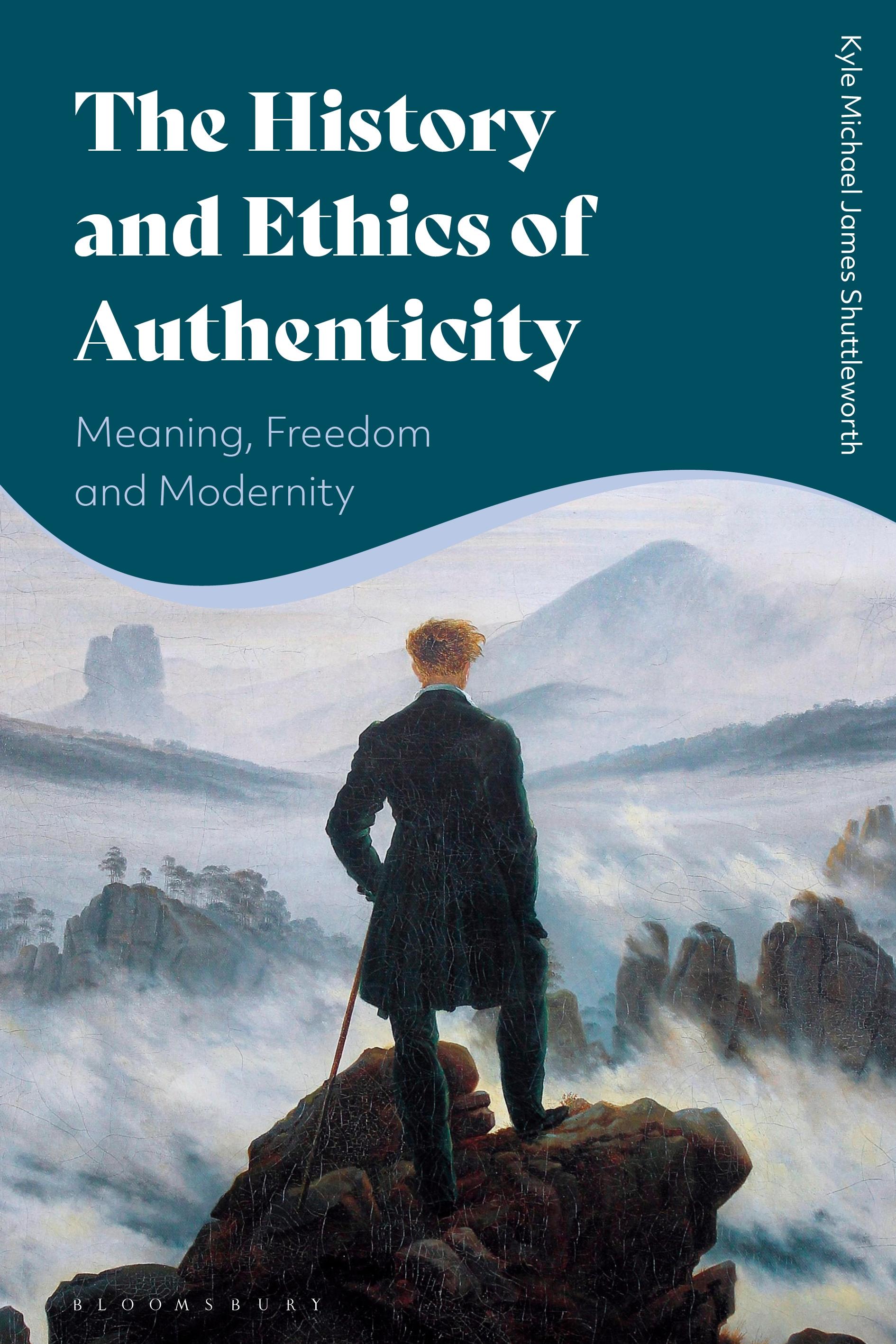
Addressing the post-enlightenment problems of meaning and freedom, Kyle Michael James Shuttleworth traces the historical development of the ethics of authenticity in a lucid and vigorous study. The emergence of authenticity as an ethical ideal is probed in relation to the rise of social freedom and individualism which opens up conversations and disagreements with the German Idealists, and later, Habermas, Foucault, and MacIntyre. Taking heed of these intellectual predecessors and proponents of ethical authenticity leads to an original conception of a socio-existential account of ethical authenticity, made possible by the work of both Taylor and Sartre.
Moving beyond virtue ethics, discourse ethics and Foucauldian notions of self-care, The History and Ethics of Authenticity constructs a practical ethics of authenticity that is both embedded in and able to transcend the current moment. Making use of contemporary reference points, including the rise of social media, capitalist branding, and competing appeals to identity, authenticity becomes an achievable ethical ideal.
Moving beyond virtue ethics, discourse ethics and Foucauldian notions of self-care, The History and Ethics of Authenticity constructs a practical ethics of authenticity that is both embedded in and able to transcend the current moment. Making use of contemporary reference points, including the rise of social media, capitalist branding, and competing appeals to identity, authenticity becomes an achievable ethical ideal.
Betal enkelt med kort, Klarna, Apple Pay eller Google Pay. Ikke fornøyd? Du har alltid 14 dagers angrerett. Les mer i våre vilkår. Har du spørsmål, send oss en e-post på hello@memmo.org.
Memmo gjør det enklere å studere – uansett hvor du er i verden. Hos oss samler du pensumbøker og smarte studieverktøy på ett og samme sted: sammendrag, quizer, podkaster og flashcards. Og så Ted, din studiekompis som svarer på alt du lurer på. Over 50 000 studenter studerer allerede her – bygget for at du skal lære raskere og stresse mindre.