
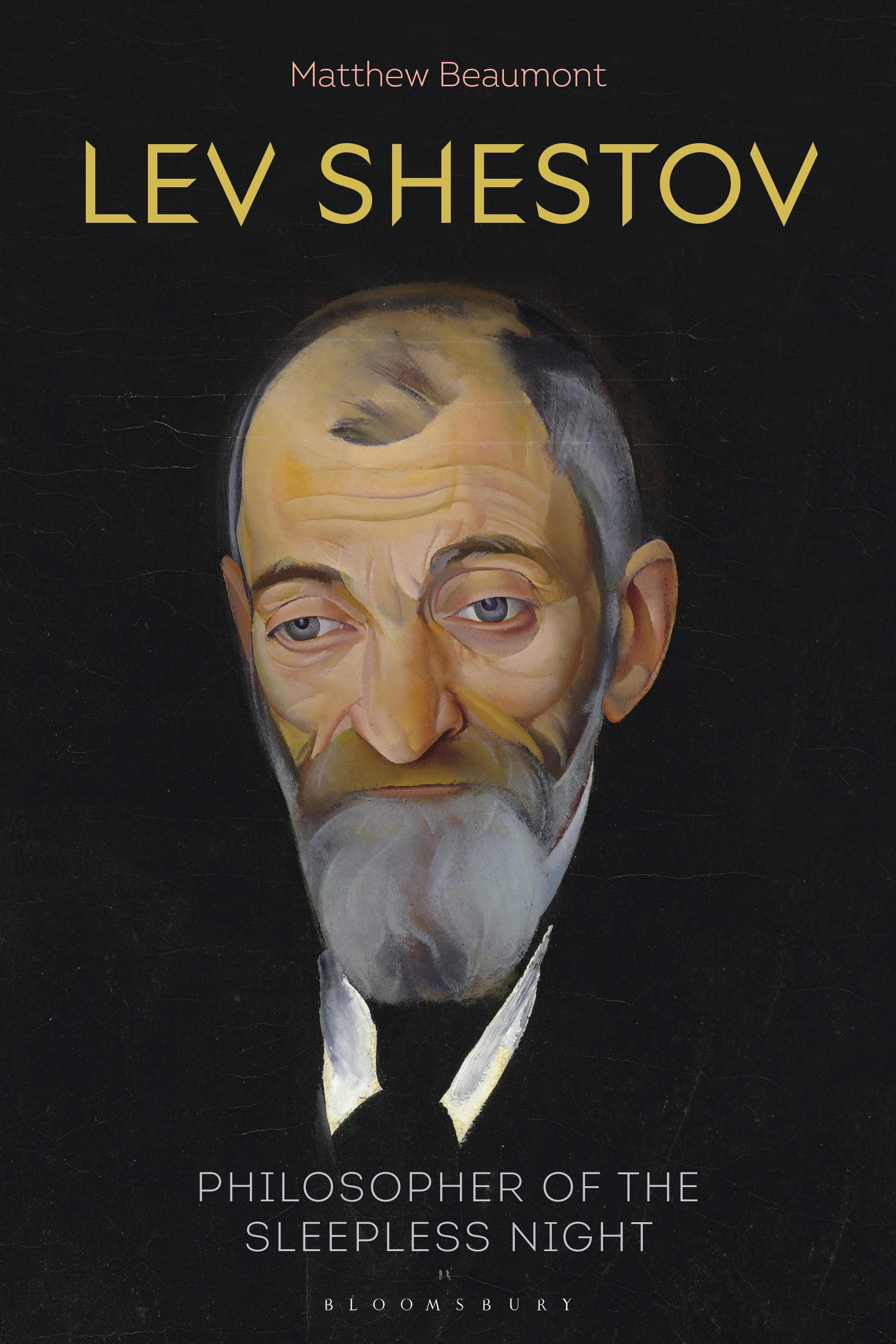
A 2021 Choice Outstanding Academic Title
The Jewish philosopher Lev Shestov (1866-1938) is perhaps the great forgotten thinker of the twentieth century, but one whose revival seems timely and urgent in the twenty-first century. An important influence on Georges Bataille, Albert Camus, Gilles Deleuze and many others, Shestov developed a fascinating anti-Enlightenment philosophy that critiqued the limits of reason and triumphantly affirmed an ethics of hope in the face of hopelessness.
In a wide-ranging reappraisal of his life and thought, which explores his ideas in relation to the history of literature and painting as well as philosophy, Matthew Beaumont restores Shestov to prominence as a thinker for turbulent times. In reconstructing Shestov's thought and asserting its continued relevance, the book's central theme is wakefulness. It argues that for Shestov, escape from the limits of rationalist Enlightenment thought comes from maintaining an insomniac vigilance in the face of the spiritual night to which his century appeared condemned. Shestov's engagement with the image of Christ remaining awake in the Garden of Gethsemane then, is at the core of his inspiring understanding of our ethical responsibilities after the horrors of the twentieth century.
The Jewish philosopher Lev Shestov (1866-1938) is perhaps the great forgotten thinker of the twentieth century, but one whose revival seems timely and urgent in the twenty-first century. An important influence on Georges Bataille, Albert Camus, Gilles Deleuze and many others, Shestov developed a fascinating anti-Enlightenment philosophy that critiqued the limits of reason and triumphantly affirmed an ethics of hope in the face of hopelessness.
In a wide-ranging reappraisal of his life and thought, which explores his ideas in relation to the history of literature and painting as well as philosophy, Matthew Beaumont restores Shestov to prominence as a thinker for turbulent times. In reconstructing Shestov's thought and asserting its continued relevance, the book's central theme is wakefulness. It argues that for Shestov, escape from the limits of rationalist Enlightenment thought comes from maintaining an insomniac vigilance in the face of the spiritual night to which his century appeared condemned. Shestov's engagement with the image of Christ remaining awake in the Garden of Gethsemane then, is at the core of his inspiring understanding of our ethical responsibilities after the horrors of the twentieth century.
Betal enkelt med kort, Klarna, Apple Pay eller Google Pay. Ikke fornøyd? Du har alltid 14 dagers angrerett. Les mer i våre vilkår. Har du spørsmål, send oss en e-post på hello@memmo.org.
Memmo gjør det enklere å studere – uansett hvor du er i verden. Hos oss samler du pensumbøker og smarte studieverktøy på ett og samme sted: sammendrag, quizer, podkaster og flashcards. Og så Ted, din studiekompis som svarer på alt du lurer på. Over 50 000 studenter studerer allerede her – bygget for at du skal lære raskere og stresse mindre.