
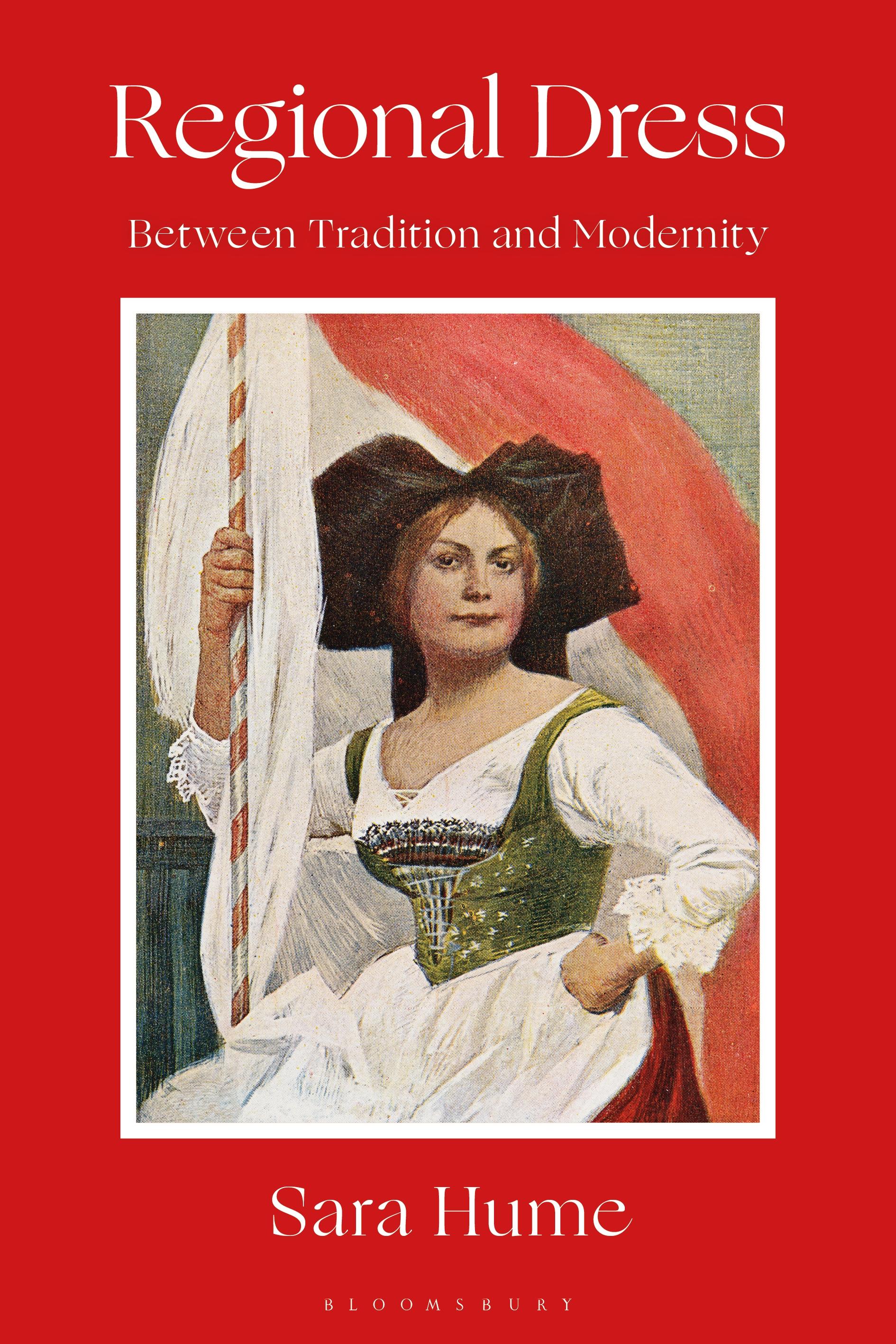
Traditional dress is a common phenomenon across much of Western Europe, often originating in elaborate practices for rural religious events. Yet despite its fundamentally local nature, traditional dress in various European regions developed along a similar trajectory, sometimes being transformed into political symbols and regional promotion for tourism, and always revealing the complexity of rural society in terms of religious divisions, class inequality and tension between the desires to protect tradition and embrace modernity. To better understand how traditional dress evolved in France and Germany from the 19th to 21st centuries, this book takes Alsace as its case study and in doing so illuminates broad experiences of modernity across rural Europe and answers overarching questions about regionalism and nationalism.
Specifically, Sara Hume unpacks why Alsatian dress was adopted as a symbol of loyalty to France despite being closer in style to German dress practices. She explores the impact of political and geographical tensions on the appearance and function of traditional clothing, for example in Alsace's situation at the border between France and Germany and in its transformation from disputed territory into capital of a united Europe. Logically progressing chapters reveal how modernity did not drive out tradition in rural communities but rather led to processes of adaption, preservation and re-evaluation.
Through a rich variety of primary sources including costumes, illustrations, political cartoons, legal documents and oral histories, Regional Dress sheds light on the little known and rarely documented experiences of rural Europeans. Its material culture approach to the study of regionalism is essential to students of traditional and folk dress history, European history and design history.
Specifically, Sara Hume unpacks why Alsatian dress was adopted as a symbol of loyalty to France despite being closer in style to German dress practices. She explores the impact of political and geographical tensions on the appearance and function of traditional clothing, for example in Alsace's situation at the border between France and Germany and in its transformation from disputed territory into capital of a united Europe. Logically progressing chapters reveal how modernity did not drive out tradition in rural communities but rather led to processes of adaption, preservation and re-evaluation.
Through a rich variety of primary sources including costumes, illustrations, political cartoons, legal documents and oral histories, Regional Dress sheds light on the little known and rarely documented experiences of rural Europeans. Its material culture approach to the study of regionalism is essential to students of traditional and folk dress history, European history and design history.
Sider: 288
Kategori: Konst, Design & Fotografi
e-ISBN: 9781350148000
Fraktvekt: 1.2 kg
Sendes innen: 1-2 dager
Betal enkelt med kort, Klarna, Apple Pay eller Google Pay. Ikke fornøyd? Du har alltid 14 dagers angrerett. Les mer i våre vilkår. Har du spørsmål, send oss en e-post på hello@memmo.org.
Memmo gjør det enklere å studere – uansett hvor du er i verden. Hos oss samler du pensumbøker og smarte studieverktøy på ett og samme sted: sammendrag, quizer, podkaster og flashcards. Og så Ted, din studiekompis som svarer på alt du lurer på. Over 50 000 studenter studerer allerede her – bygget for at du skal lære raskere og stresse mindre.