
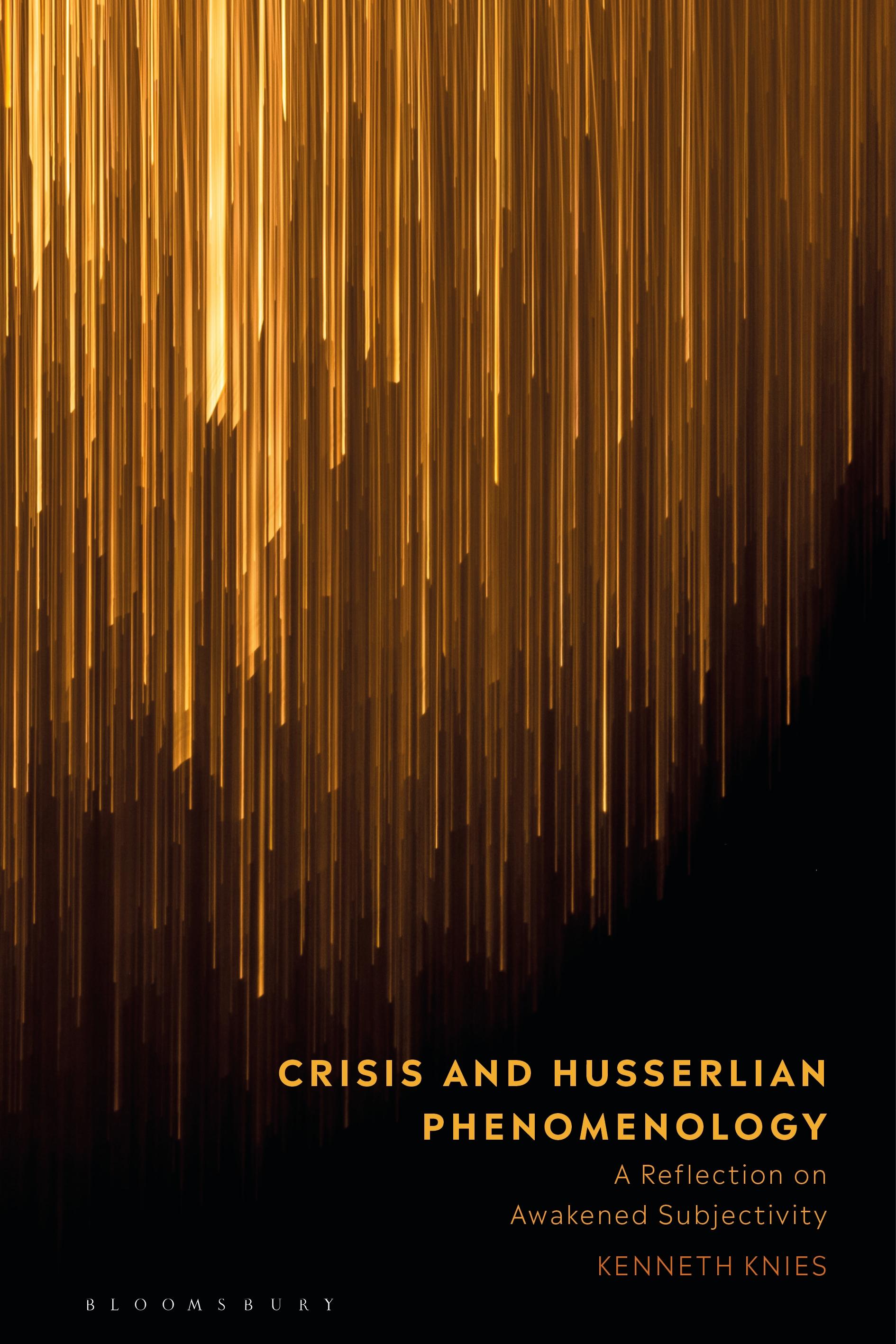
Shedding new light on the theme of "crisis" in Husserl's phenomenology, this book reflects on the experience of awakening to one's own naïveté. Beginning from everyday examples, Knies examines how this awakening makes us culpable for not having noticed what was noticeable. He goes on to apply this examination to fundamental issues in phenomenology, arguing that the appropriation of naïve life has a different structure from the reflection on pre-reflective life. Husserl's work on the "crisis" is presented as an attempt to integrate this appropriation into a systematic transcendental philosophy.
Crisis and Husserlian Phenomenology brings Husserl into dialogue with other key thinkers in Continental philosophy such as Descartes, Kant, Heidegger, Merleau-Ponty and Derrida. It is suitable for students and scholars alike, especially those interested in subjectivity, responsibility and the philosophy of history.
Crisis and Husserlian Phenomenology brings Husserl into dialogue with other key thinkers in Continental philosophy such as Descartes, Kant, Heidegger, Merleau-Ponty and Derrida. It is suitable for students and scholars alike, especially those interested in subjectivity, responsibility and the philosophy of history.
Betal enkelt med kort, Klarna, Apple Pay eller Google Pay. Ikke fornøyd? Du har alltid 14 dagers angrerett. Les mer i våre vilkår. Har du spørsmål, send oss en e-post på hello@memmo.org.
Memmo gjør det enklere å studere – uansett hvor du er i verden. Hos oss samler du pensumbøker og smarte studieverktøy på ett og samme sted: sammendrag, quizer, podkaster og flashcards. Og så Ted, din studiekompis som svarer på alt du lurer på. Over 50 000 studenter studerer allerede her – bygget for at du skal lære raskere og stresse mindre.