
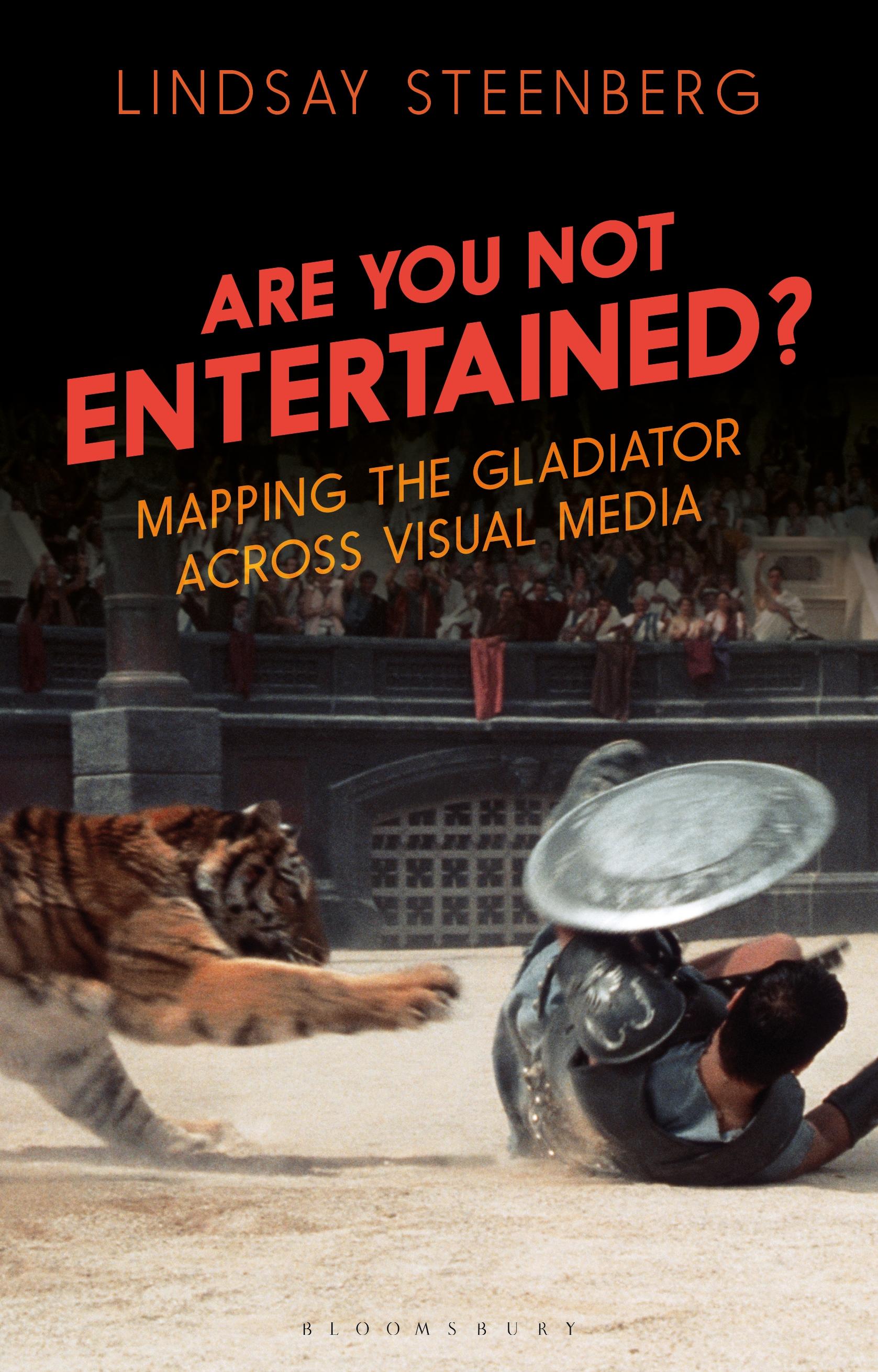
Anglo-American culture is marked by a gladiatorial impulse: a deep cultural fascination in watching men fight each other. The gladiator is an archetypal character embodying this impulse and his brand of violent and eroticised masculinity has become a cultural shorthand that signals a transhistorical version of heroic masculinity.
Frequently the gladiator or celebrity fighter - from the amphitheatres of Rome to the octagon of the Ultimate Fighting Championships - is used as a way of insisting that a desire to fight, and to watch men fighting, is simply a part of our human nature. This book traces a cultural interest in stories about gladiators through twentieth and twenty-first-century film, television and videogames.
Frequently the gladiator or celebrity fighter - from the amphitheatres of Rome to the octagon of the Ultimate Fighting Championships - is used as a way of insisting that a desire to fight, and to watch men fighting, is simply a part of our human nature. This book traces a cultural interest in stories about gladiators through twentieth and twenty-first-century film, television and videogames.
Betal enkelt med kort, Klarna, Apple Pay eller Google Pay. Ikke fornøyd? Du har alltid 14 dagers angrerett. Les mer i våre vilkår. Har du spørsmål, send oss en e-post på hello@memmo.org.
Memmo gjør det enklere å studere – uansett hvor du er i verden. Hos oss samler du pensumbøker og smarte studieverktøy på ett og samme sted: sammendrag, quizer, podkaster og flashcards. Og så Ted, din studiekompis som svarer på alt du lurer på. Over 50 000 studenter studerer allerede her – bygget for at du skal lære raskere og stresse mindre.