
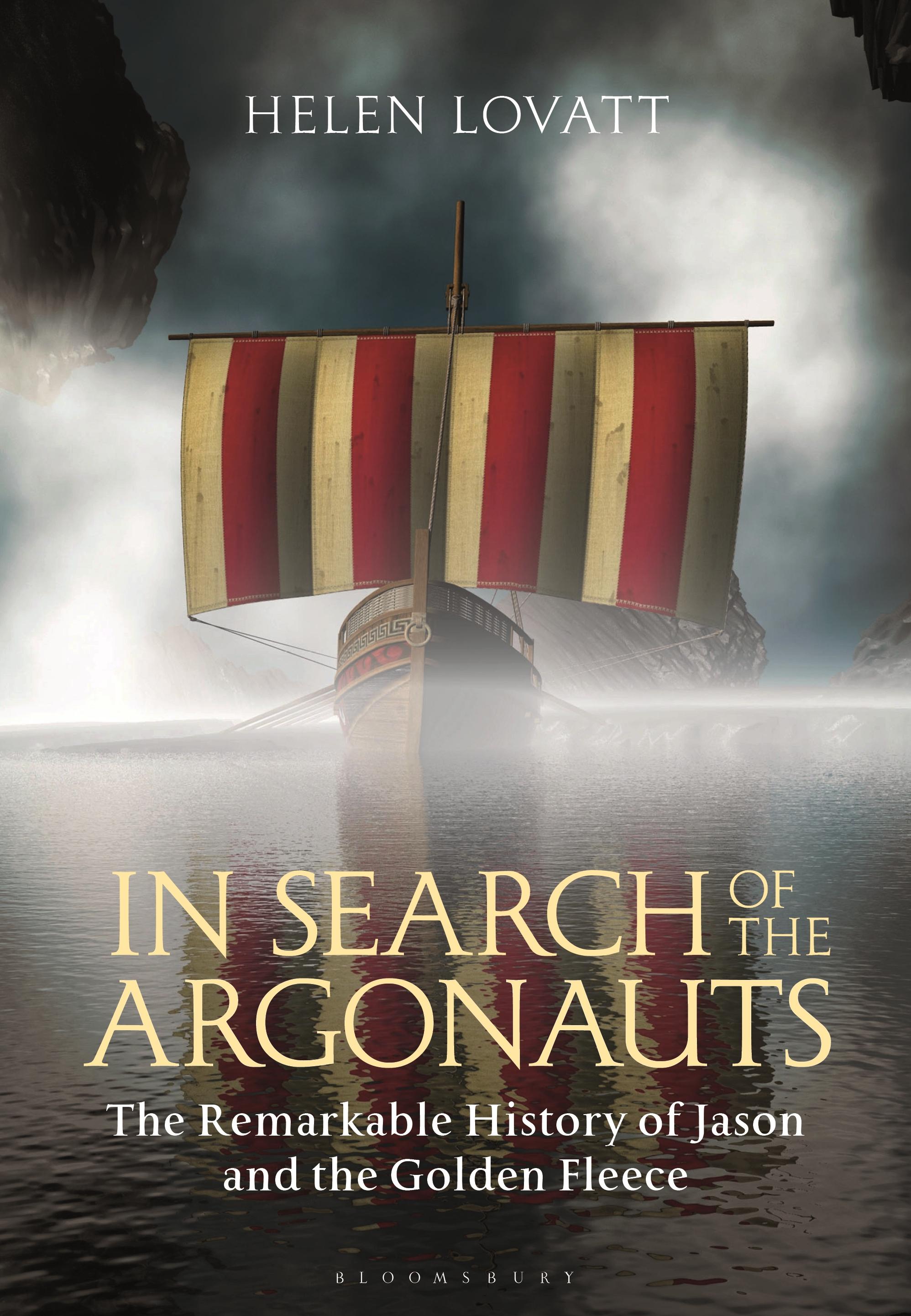
Longlisted for the 2022 Runciman Award
Few classical stories are as exciting as that of Jason and the Golden Fleece. The legend of the boy, who discovers a new identity as son of a usurped king and leads a crew of demi-gods and famous heroes, has resonated through the ages, rumbling like the clashing rocks, which almost pulverised the Argo. The myth and its reception inspires endless engagements: while it tells of a quest to the ends of the earth, of the tyrants Pelias and Aetes, of dragons' teeth, of the loss of Hylas (beloved of Hercules) stolen away by nymphs, and of Jason's seduction of the powerful witch Medea (later betrayed for a more useful princess), it speaks to us of more: of gender and sexuality; of heroism and lost integrity; of powerful gods and terrifying monsters; of identity and otherness; of exploration and exploitation. The Argonauts are emblems of collective heroism, yet also of the emptiness of glory.
From Pindar to J. W. Waterhouse, Apollonius of Rhodes to Ray Harryhausen, and Robert Graves to Mary Zimmerman, the Argonaut myth has produced later interpretations as rich, salty and complex as the ancient versions. Helen Lovatt here unravels, like untangled sea-kelp, the diverse strands of the narrative and its numerous and fascinating afterlives. Her book will prove both informative and endlessly entertaining to those who love classical literature and myth.
Few classical stories are as exciting as that of Jason and the Golden Fleece. The legend of the boy, who discovers a new identity as son of a usurped king and leads a crew of demi-gods and famous heroes, has resonated through the ages, rumbling like the clashing rocks, which almost pulverised the Argo. The myth and its reception inspires endless engagements: while it tells of a quest to the ends of the earth, of the tyrants Pelias and Aetes, of dragons' teeth, of the loss of Hylas (beloved of Hercules) stolen away by nymphs, and of Jason's seduction of the powerful witch Medea (later betrayed for a more useful princess), it speaks to us of more: of gender and sexuality; of heroism and lost integrity; of powerful gods and terrifying monsters; of identity and otherness; of exploration and exploitation. The Argonauts are emblems of collective heroism, yet also of the emptiness of glory.
From Pindar to J. W. Waterhouse, Apollonius of Rhodes to Ray Harryhausen, and Robert Graves to Mary Zimmerman, the Argonaut myth has produced later interpretations as rich, salty and complex as the ancient versions. Helen Lovatt here unravels, like untangled sea-kelp, the diverse strands of the narrative and its numerous and fascinating afterlives. Her book will prove both informative and endlessly entertaining to those who love classical literature and myth.
Betal enkelt med kort, Klarna, Apple Pay eller Google Pay. Ikke fornøyd? Du har alltid 14 dagers angrerett. Les mer i våre vilkår. Har du spørsmål, send oss en e-post på hello@memmo.org.
Memmo gjør det enklere å studere – uansett hvor du er i verden. Hos oss samler du pensumbøker og smarte studieverktøy på ett og samme sted: sammendrag, quizer, podkaster og flashcards. Og så Ted, din studiekompis som svarer på alt du lurer på. Over 50 000 studenter studerer allerede her – bygget for at du skal lære raskere og stresse mindre.