
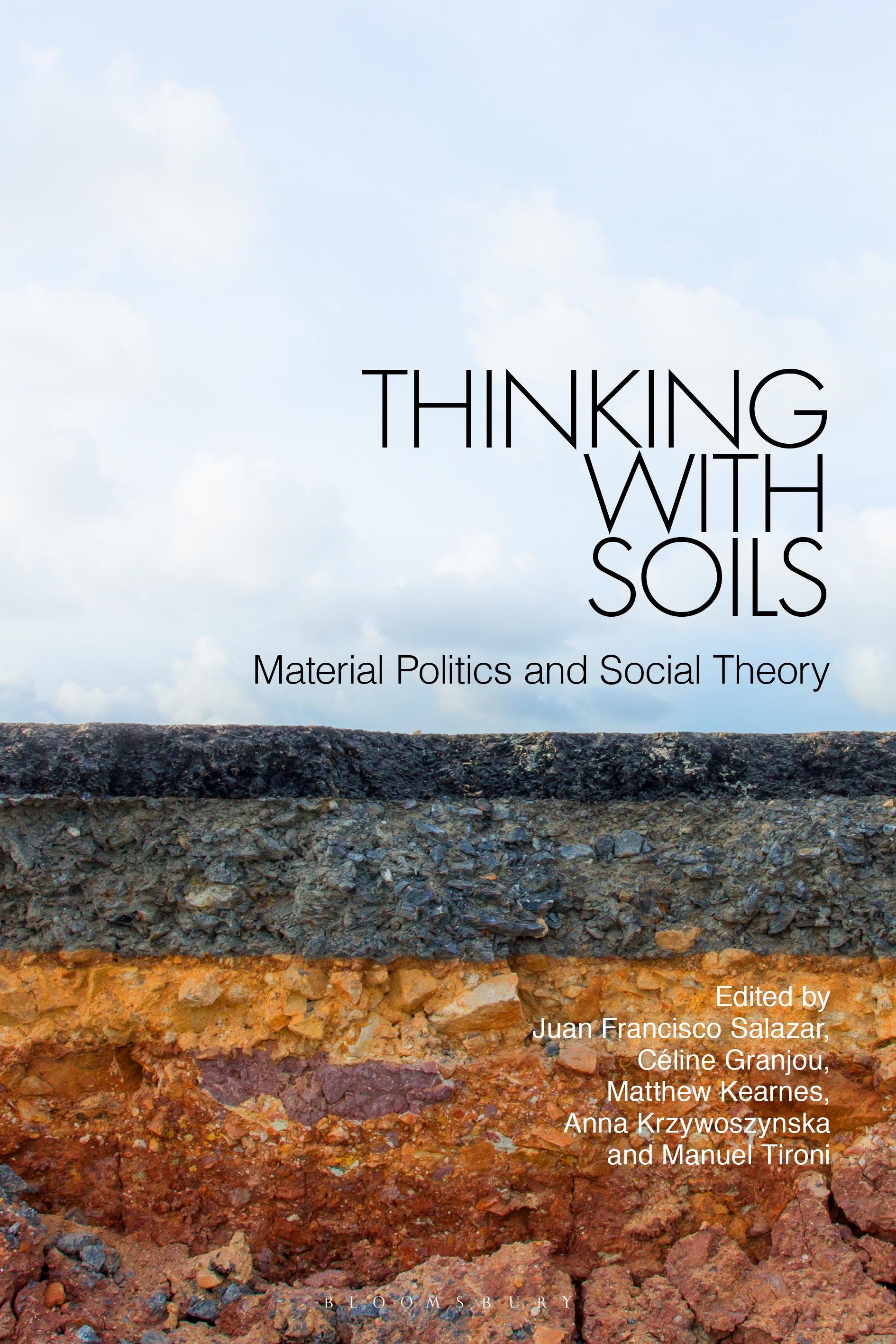
This book presents a novel and systematic social theory of soil, and is representative of the rising interest in 'the material' in social sciences. Bringing together new modes of 'critical description' with speculative practices and methods of inquiry, it contributes to the exploration of current transformations in socioecologies, as well as in political and artistic practices, in order to address global ecological change.
The chapters in this edited volume challenge scholars to attend more carefully to the ways in which they think about soil, both materially and theoretically. Contributors address a range of topics, including new ways of thinking about the politics of caring for soils; the ecological and symbiotic relations between soils; how the productive capacities and contested governance of soils are deployed as matters of political concern; and indigenous ways of knowing and being with soil.
The chapters in this edited volume challenge scholars to attend more carefully to the ways in which they think about soil, both materially and theoretically. Contributors address a range of topics, including new ways of thinking about the politics of caring for soils; the ecological and symbiotic relations between soils; how the productive capacities and contested governance of soils are deployed as matters of political concern; and indigenous ways of knowing and being with soil.
Betal enkelt med kort, Klarna, Apple Pay eller Google Pay. Ikke fornøyd? Du har alltid 14 dagers angrerett. Les mer i våre vilkår. Har du spørsmål, send oss en e-post på hello@memmo.org.
Memmo gjør det enklere å studere – uansett hvor du er i verden. Hos oss samler du pensumbøker og smarte studieverktøy på ett og samme sted: sammendrag, quizer, podkaster og flashcards. Og så Ted, din studiekompis som svarer på alt du lurer på. Over 50 000 studenter studerer allerede her – bygget for at du skal lære raskere og stresse mindre.