
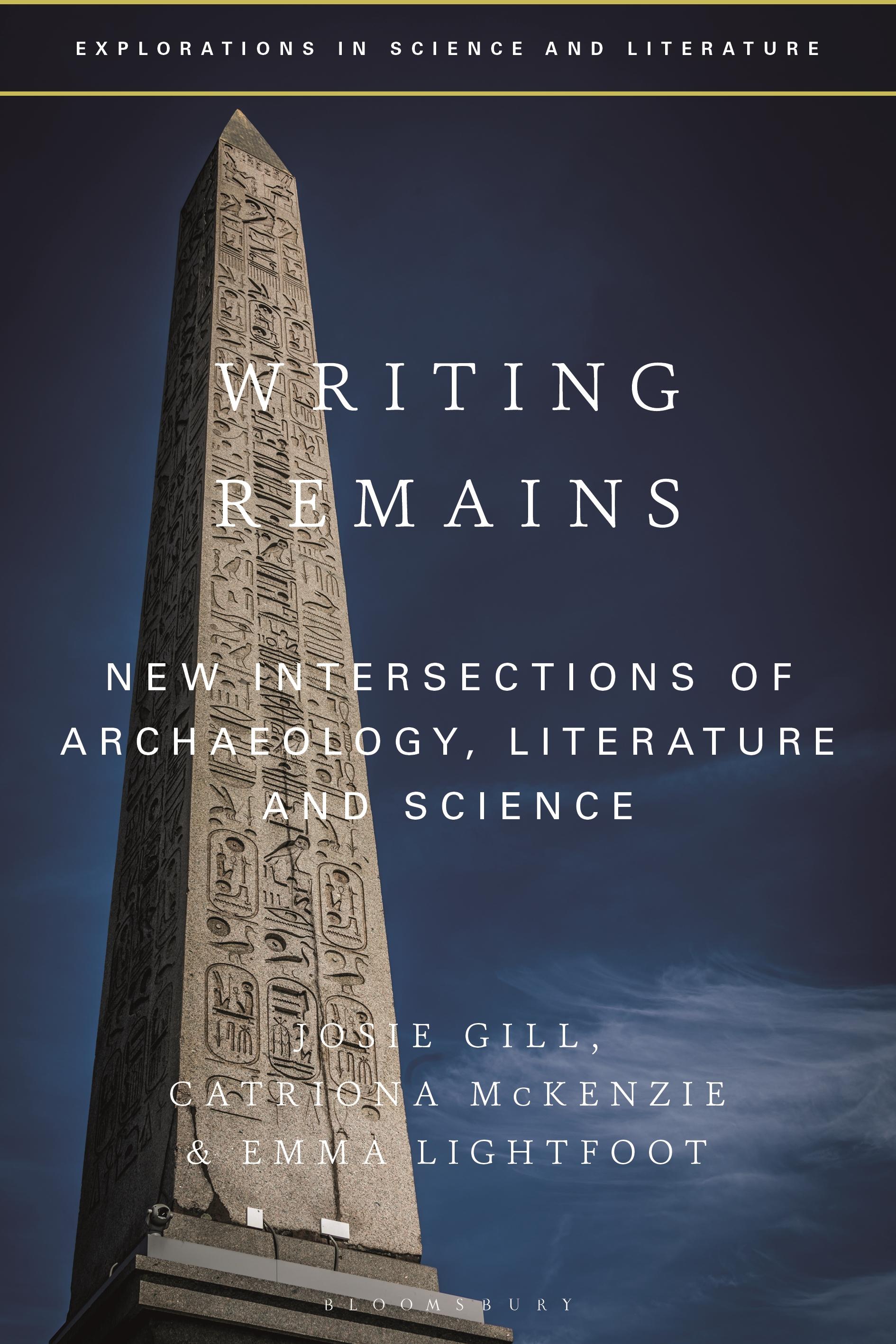
Writing Remains brings together a wide range of leading archaeologists and literary scholars to explore emerging intersections in archaeological and literary studies. Drawing upon a wide range of literary texts from the nineteenth century to the present, the book offers new approaches to understanding storytelling and narrative in archaeology, and the role of archaeological knowledge in literature and literary criticism.
The book's eight chapters explore a wide array of archaeological approaches and methods, including scientific archaeology, identifying intersections with literature and literary studies which are textual, conceptual, spatial, temporal and material. Examining literary authors from Thomas Hardy and Bram Stoker to Sarah Moss and Paul Beatty, scholars from across disciplines are brought into dialogue to consider fictional narrative both as a site of new archaeological knowledge and as a source and object of archaeological investigation.
The book's eight chapters explore a wide array of archaeological approaches and methods, including scientific archaeology, identifying intersections with literature and literary studies which are textual, conceptual, spatial, temporal and material. Examining literary authors from Thomas Hardy and Bram Stoker to Sarah Moss and Paul Beatty, scholars from across disciplines are brought into dialogue to consider fictional narrative both as a site of new archaeological knowledge and as a source and object of archaeological investigation.
Betal enkelt med kort, Klarna, Apple Pay eller Google Pay. Ikke fornøyd? Du har alltid 14 dagers angrerett. Les mer i våre vilkår. Har du spørsmål, send oss en e-post på hello@memmo.org.
Memmo gjør det enklere å studere – uansett hvor du er i verden. Hos oss samler du pensumbøker og smarte studieverktøy på ett og samme sted: sammendrag, quizer, podkaster og flashcards. Og så Ted, din studiekompis som svarer på alt du lurer på. Over 50 000 studenter studerer allerede her – bygget for at du skal lære raskere og stresse mindre.