
Winner of the Alec Nove Prize in Russian, Soviet, and Post-Soviet Studies
Winner of the BASEES George Blazyca Prize
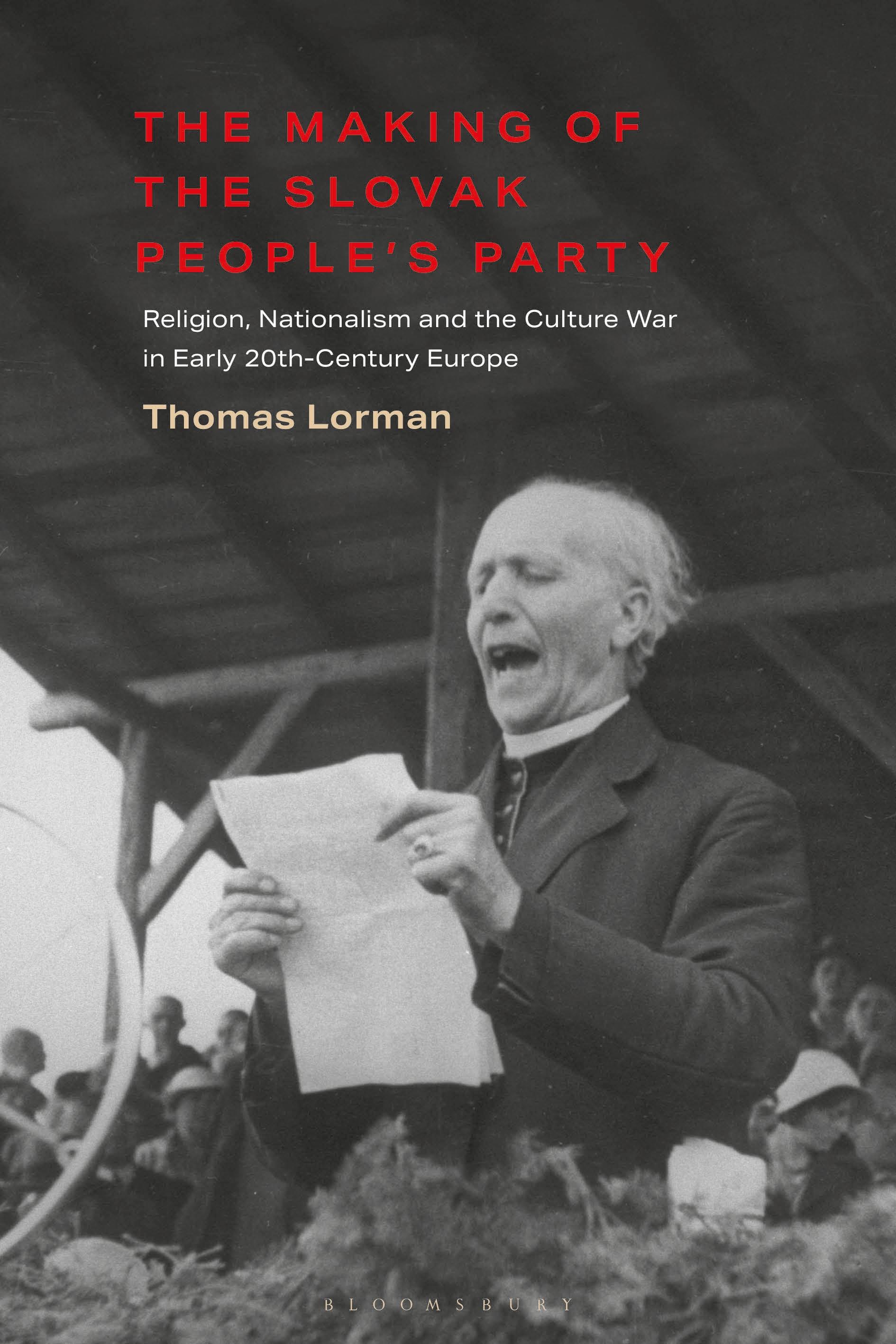
In 1945, just six years after coming to power, the Slovak People's Party (SLS) was disbanded as a 'criminal organisation' and its leader - Jozef Tiso - hanged for treason. What made it possible for the SLS, initially founded in 1905 by priests to represent the Catholic Slovak minority residing in the north of the Kingdom of Hungary, to form an openly pro-Nazi government in 1939? And what put Slovakia on the path to a 'fascism' that would see more than 45,000 Jews deported to their deaths in 1942?
To answer these questions, Thomas Lorman draws on more than a decade's research in archives across the region in Hungarian, Slovak and Latin, and studies the party's formative years in depth for the first time in English. Lorman examines the various strands which fused to form the party and its popularity, including a complex and nebulous nationalism, Catholicism and a resounding mistrust of liberalism and 'modernity'.
The Making of the Slovak People's Party is a vital and timely study of the genesis and success of far-right movements that will be essential reading for all scholars working on 20th-century Eastern European history, nationalism and the interplay of religion and politics.
Winner of the BASEES George Blazyca Prize
In 1945, just six years after coming to power, the Slovak People's Party (SLS) was disbanded as a 'criminal organisation' and its leader - Jozef Tiso - hanged for treason. What made it possible for the SLS, initially founded in 1905 by priests to represent the Catholic Slovak minority residing in the north of the Kingdom of Hungary, to form an openly pro-Nazi government in 1939? And what put Slovakia on the path to a 'fascism' that would see more than 45,000 Jews deported to their deaths in 1942?
To answer these questions, Thomas Lorman draws on more than a decade's research in archives across the region in Hungarian, Slovak and Latin, and studies the party's formative years in depth for the first time in English. Lorman examines the various strands which fused to form the party and its popularity, including a complex and nebulous nationalism, Catholicism and a resounding mistrust of liberalism and 'modernity'.
The Making of the Slovak People's Party is a vital and timely study of the genesis and success of far-right movements that will be essential reading for all scholars working on 20th-century Eastern European history, nationalism and the interplay of religion and politics.
Betal enkelt med kort, Klarna, Apple Pay eller Google Pay. Ikke fornøyd? Du har alltid 14 dagers angrerett. Les mer i våre vilkår. Har du spørsmål, send oss en e-post på hello@memmo.org.
Memmo gjør det enklere å studere – uansett hvor du er i verden. Hos oss samler du pensumbøker og smarte studieverktøy på ett og samme sted: sammendrag, quizer, podkaster og flashcards. Og så Ted, din studiekompis som svarer på alt du lurer på. Over 50 000 studenter studerer allerede her – bygget for at du skal lære raskere og stresse mindre.