
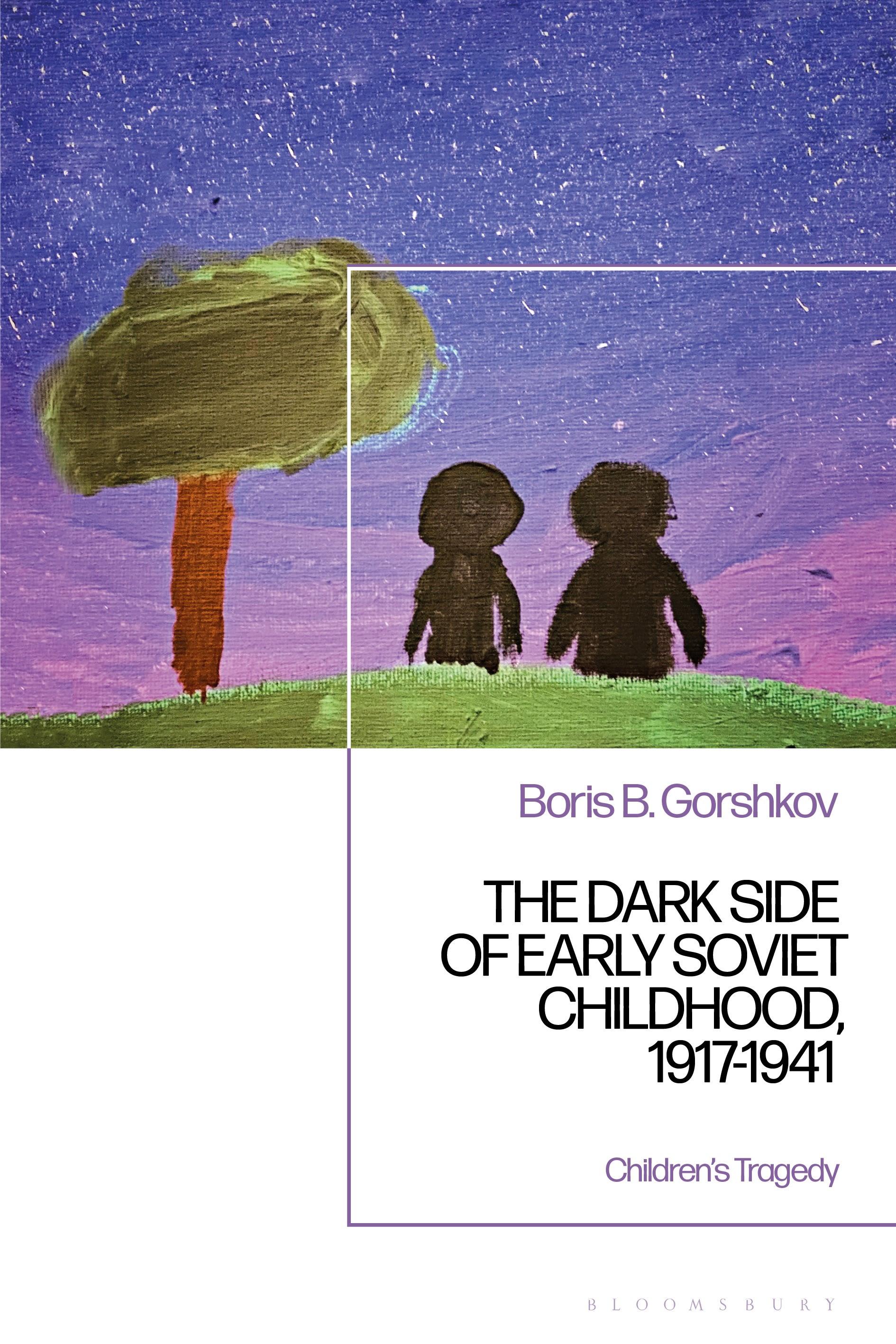
The Civil War and early Soviet food policies left millions of children homeless and starving in Russia in the first half of the 20th century. Child mortality rates reached 95% in certain areas, and all of these problems remained endemic throughout the 1920s and 1930s. In The Dark Side of Early Soviet Childhood, 1917-1941, Boris B. Gorshkov investigates the causes of this prolonged homelessness and starvation, the conditions faced by huge numbers of children, and the state's unsuccessful efforts to solve these horrendous issues. Gorshkov pays particular attention to the critical role of the secret police (the VChKa and the NKVD) in this story and draws on a range of previously unused archival sources to reveal the full extent of the suffering of children in Russia at this time, as well as the interconnected causes behind it.
Betal enkelt med kort, Klarna, Apple Pay eller Google Pay. Ikke fornøyd? Du har alltid 14 dagers angrerett. Les mer i våre vilkår. Har du spørsmål, send oss en e-post på hello@memmo.org.
Memmo gjør det enklere å studere – uansett hvor du er i verden. Hos oss samler du pensumbøker og smarte studieverktøy på ett og samme sted: sammendrag, quizer, podkaster og flashcards. Og så Ted, din studiekompis som svarer på alt du lurer på. Over 50 000 studenter studerer allerede her – bygget for at du skal lære raskere og stresse mindre.