
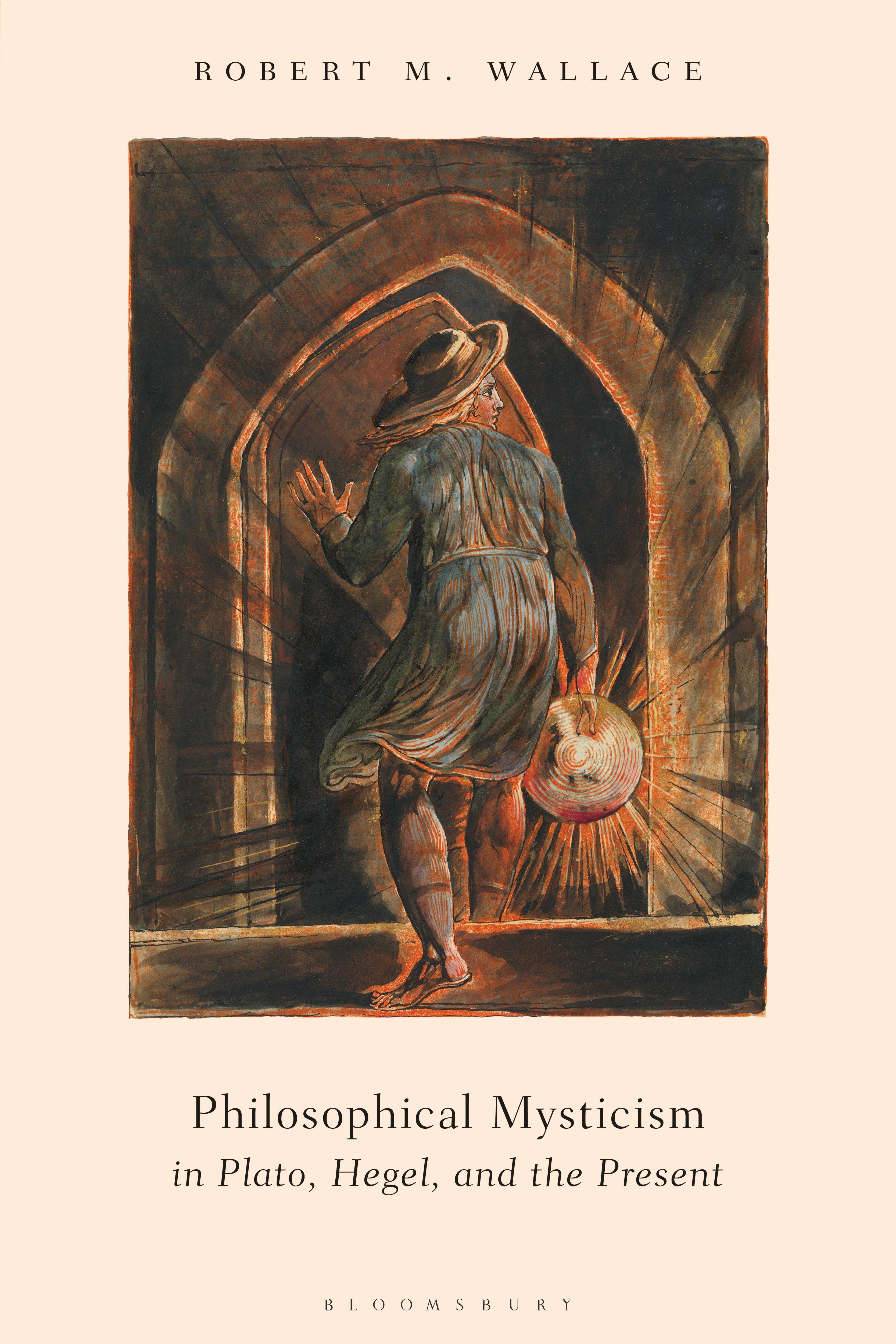
Few twenty-first century academics take seriously mysticism's claim that we have direct knowledge of a higher or more “inner” reality or God. But Philosophical Mysticism argues that such leading philosophers of earlier epochs as Plato, G. W. F. Hegel, Ludwig Wittgenstein, and Alfred North Whitehead were, in fact, all philosophical mystics. This book discusses major versions of philosophical mysticism beginning with Plato. It shows how the framework of mysticism's higher or more inner reality allows nature, freedom, science, ethics, the arts, and a rational religion-in-the-making to work together rather than conflicting with one another. This is how philosophical mysticism understands the relationships of fact to value, rationality to ethics, and the rest. And this is why Plato's notion of ascent or turning inward to a higher or more inner reality has strongly attracted such major figures in philosophy, religion, and literature as Aristotle, Plotinus, St Augustine, Dante Alighieri, Immanuel Kant, Hegel, William Wordsworth, Ralph Waldo Emerson, Emily Dickinson, Whitehead, and Wittgenstein.
Wallace's Philosophical Mysticism brings this central strand of western philosophy and culture into focus in a way unique in recent scholarship.
Wallace's Philosophical Mysticism brings this central strand of western philosophy and culture into focus in a way unique in recent scholarship.
Betal enkelt med kort, Klarna, Apple Pay eller Google Pay. Ikke fornøyd? Du har alltid 14 dagers angrerett. Les mer i våre vilkår. Har du spørsmål, send oss en e-post på hello@memmo.org.
Memmo gjør det enklere å studere – uansett hvor du er i verden. Hos oss samler du pensumbøker og smarte studieverktøy på ett og samme sted: sammendrag, quizer, podkaster og flashcards. Og så Ted, din studiekompis som svarer på alt du lurer på. Over 50 000 studenter studerer allerede her – bygget for at du skal lære raskere og stresse mindre.