
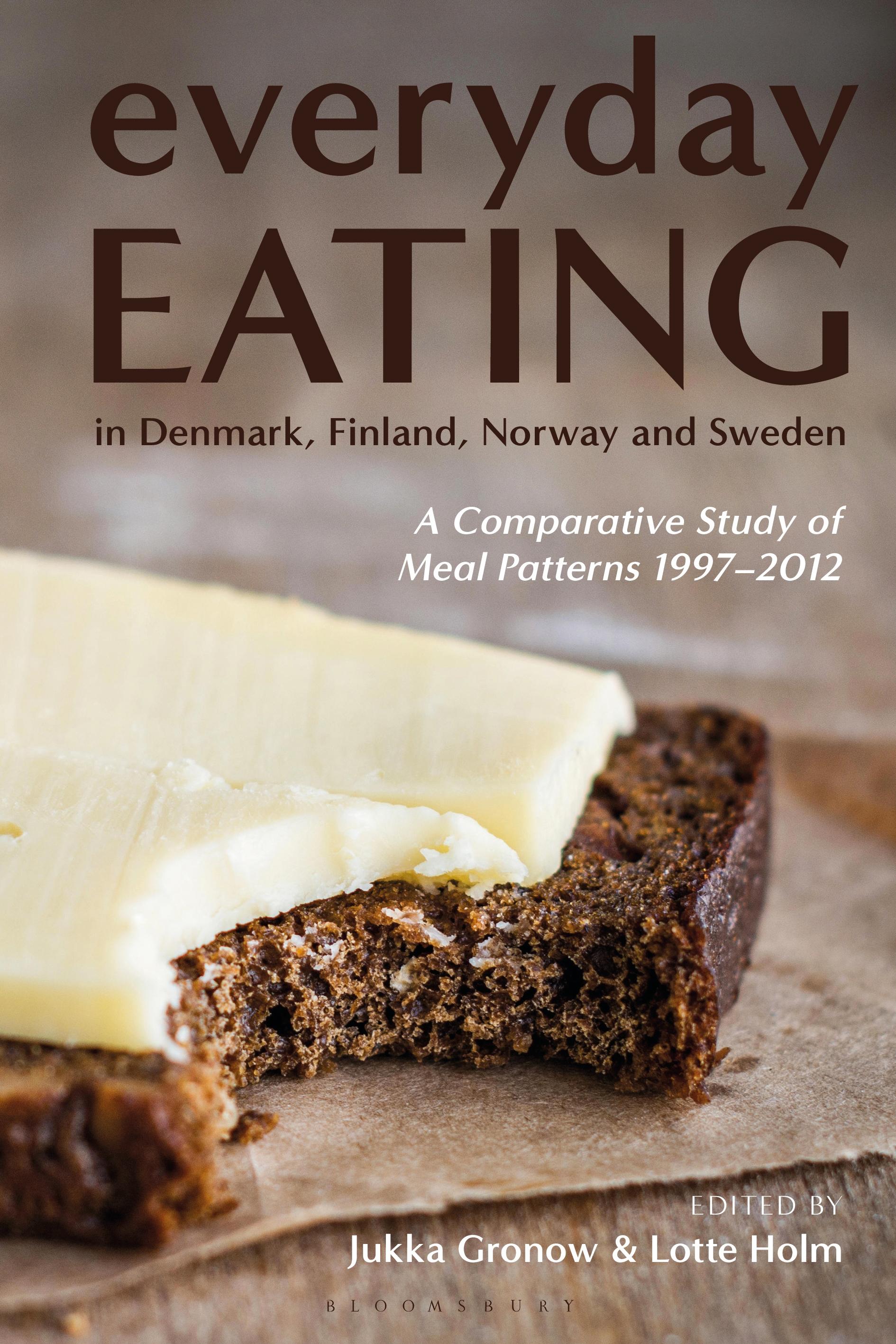
The chapters in this volume concentrate on the mundane and ordinary eating practices of the everyday, showing how these are linked to change in modern society. The contributors present a collection of systematic empirical results from a unique study based on representative samples of four Nordic populations - Denmark, Finland, Norway and Sweden - conducted at two time points, 15 years apart. The results of this unprecedented longitudinal survey leads the contributors to question many commonly held beliefs about the presumed and feared collapse of the traditional eating habits, family meals, and regular meal patterns.
As the social organization of eating is in many ways related to developments in other social institutions such as family, education, and work, chapters provide interesting insights into contemporary society, with key topics selected for scrutiny including gender, food types, diet and health, and cooking practices. Additionally, the chapters highlight changes in the gendering of food practices and signs of increasing informality around meals.
As the social organization of eating is in many ways related to developments in other social institutions such as family, education, and work, chapters provide interesting insights into contemporary society, with key topics selected for scrutiny including gender, food types, diet and health, and cooking practices. Additionally, the chapters highlight changes in the gendering of food practices and signs of increasing informality around meals.
Betal enkelt med kort, Klarna, Apple Pay eller Google Pay. Ikke fornøyd? Du har alltid 14 dagers angrerett. Les mer i våre vilkår. Har du spørsmål, send oss en e-post på hello@memmo.org.
Memmo gjør det enklere å studere – uansett hvor du er i verden. Hos oss samler du pensumbøker og smarte studieverktøy på ett og samme sted: sammendrag, quizer, podkaster og flashcards. Og så Ted, din studiekompis som svarer på alt du lurer på. Over 50 000 studenter studerer allerede her – bygget for at du skal lære raskere og stresse mindre.