
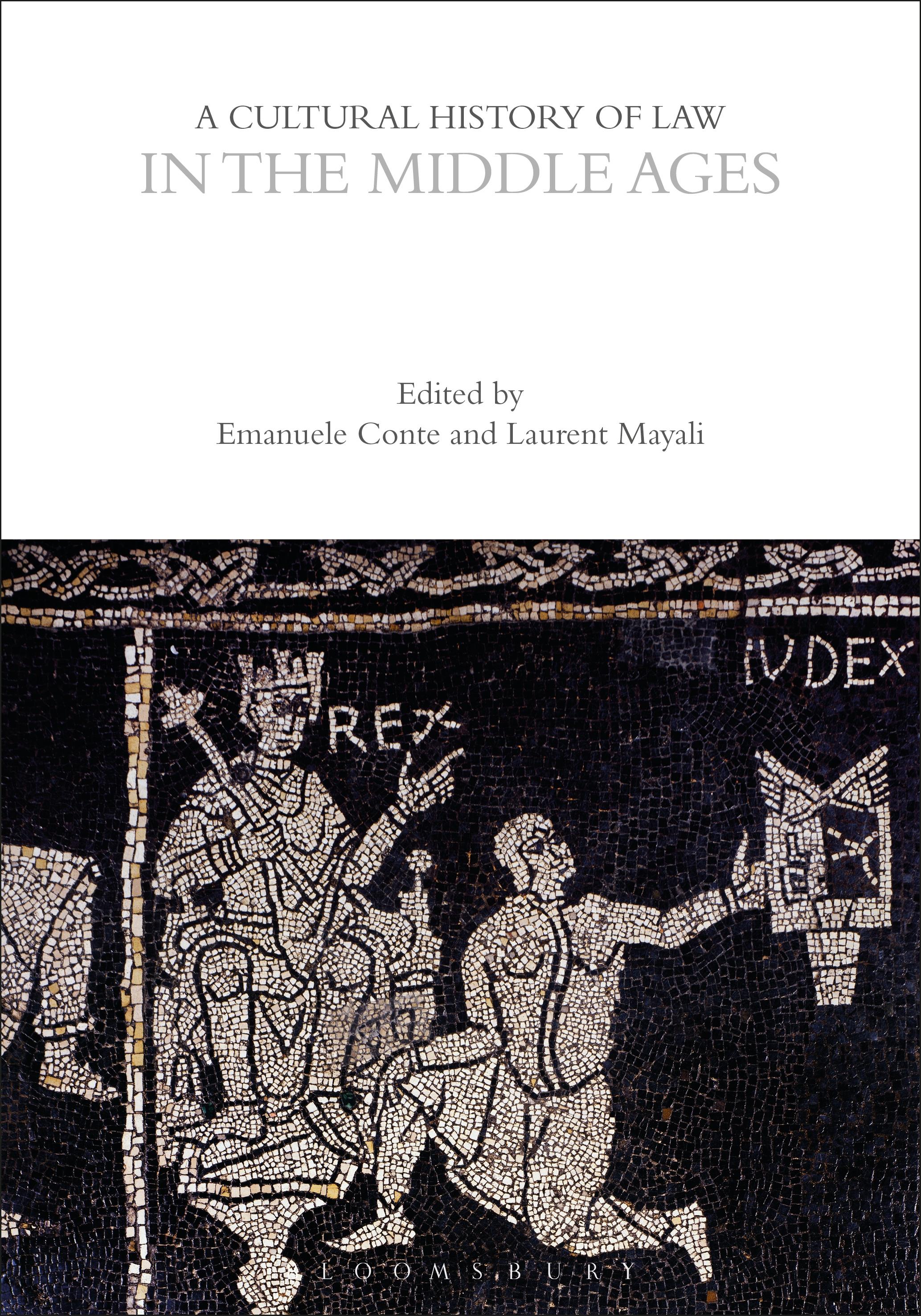
In 500, the legal order in Europe was structured around ancient customs, social practices and feudal values. By 1500, the effects of demographic change, new methods of farming and economic expansion had transformed the social and political landscape and had wrought radical change upon legal practices and systems throughout Western Europe. A Cultural History of Law in the Middle Ages explores this change and the rich and varied encounters between Christianity and Roman legal thought which shaped the period. Evolving from a combination of religious norms, local customs, secular legislations, and Roman jurisprudence, medieval law came to define an order that promoted new forms of individual and social representation, fostered the political renewal that heralded the transition from feudalism to the Early Modern state and contributed to the diffusion of a common legal language.
Drawing upon a wealth of textual and visual sources, A Cultural History of Law in the Middle Ages presents essays that examine key cultural case studies of the period on the themes of justice, constitution, codes, agreements, arguments, property and possession, wrongs, and the legal profession.
Drawing upon a wealth of textual and visual sources, A Cultural History of Law in the Middle Ages presents essays that examine key cultural case studies of the period on the themes of justice, constitution, codes, agreements, arguments, property and possession, wrongs, and the legal profession.
Betal enkelt med kort, Klarna, Apple Pay eller Google Pay. Ikke fornøyd? Du har alltid 14 dagers angrerett. Les mer i våre vilkår. Har du spørsmål, send oss en e-post på hello@memmo.org.
Memmo gjør det enklere å studere – uansett hvor du er i verden. Hos oss samler du pensumbøker og smarte studieverktøy på ett og samme sted: sammendrag, quizer, podkaster og flashcards. Og så Ted, din studiekompis som svarer på alt du lurer på. Over 50 000 studenter studerer allerede her – bygget for at du skal lære raskere og stresse mindre.