
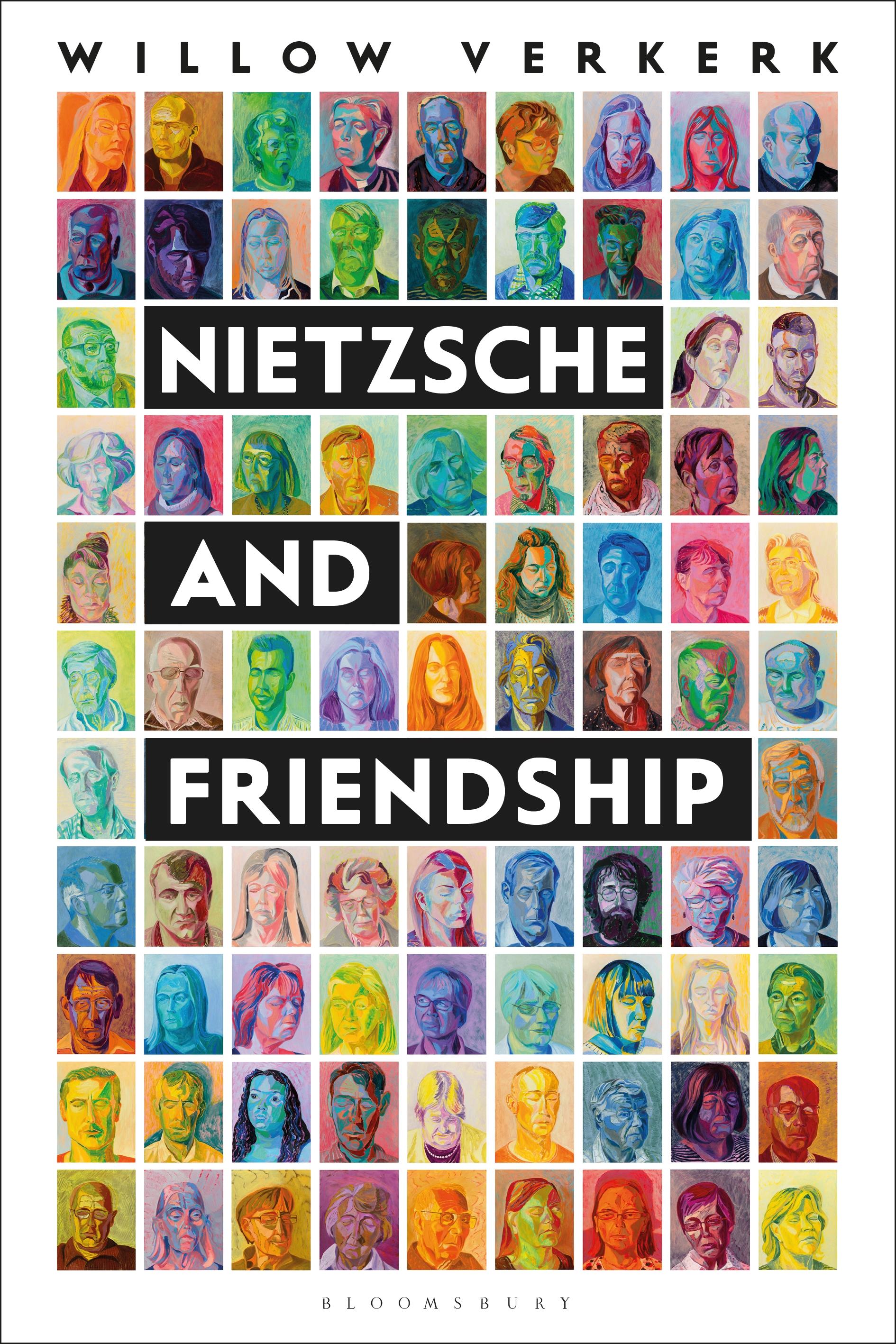
In Nietzsche and Friendship, Willow Verkerk provides a new and provocative account of Nietzsche's philosophy which identifies him as an agonistic thinker concerned with the topics of love and friendship. She argues that Nietzsche's challenges to the received principles of friendship from Aristotle to Kant offer resources for reinvigorating our thinking about friendship today. Through an examination of his free spirit texts, Human, All Too Human, Daybreak and The Gay Science together with Thus Spoke Zarathustra and Beyond Good and Evil, Verkerk unlocks key aspects of Nietzsche's thinking on friendship, love, 'woman', the self, self-overcoming, virtue, and character. She questions Nietzsche's misogyny, but also considers the emancipatory potential of his writing by brining him into dialogue with postmodern, feminist, and transgender thinkers. This book revives interest in the ethical, therapeutic, and political dimensions of Nietzsche's philosophy.
Betal enkelt med kort, Klarna, Apple Pay eller Google Pay. Ikke fornøyd? Du har alltid 14 dagers angrerett. Les mer i våre vilkår. Har du spørsmål, send oss en e-post på hello@memmo.org.
Memmo gjør det enklere å studere – uansett hvor du er i verden. Hos oss samler du pensumbøker og smarte studieverktøy på ett og samme sted: sammendrag, quizer, podkaster og flashcards. Og så Ted, din studiekompis som svarer på alt du lurer på. Over 50 000 studenter studerer allerede her – bygget for at du skal lære raskere og stresse mindre.