
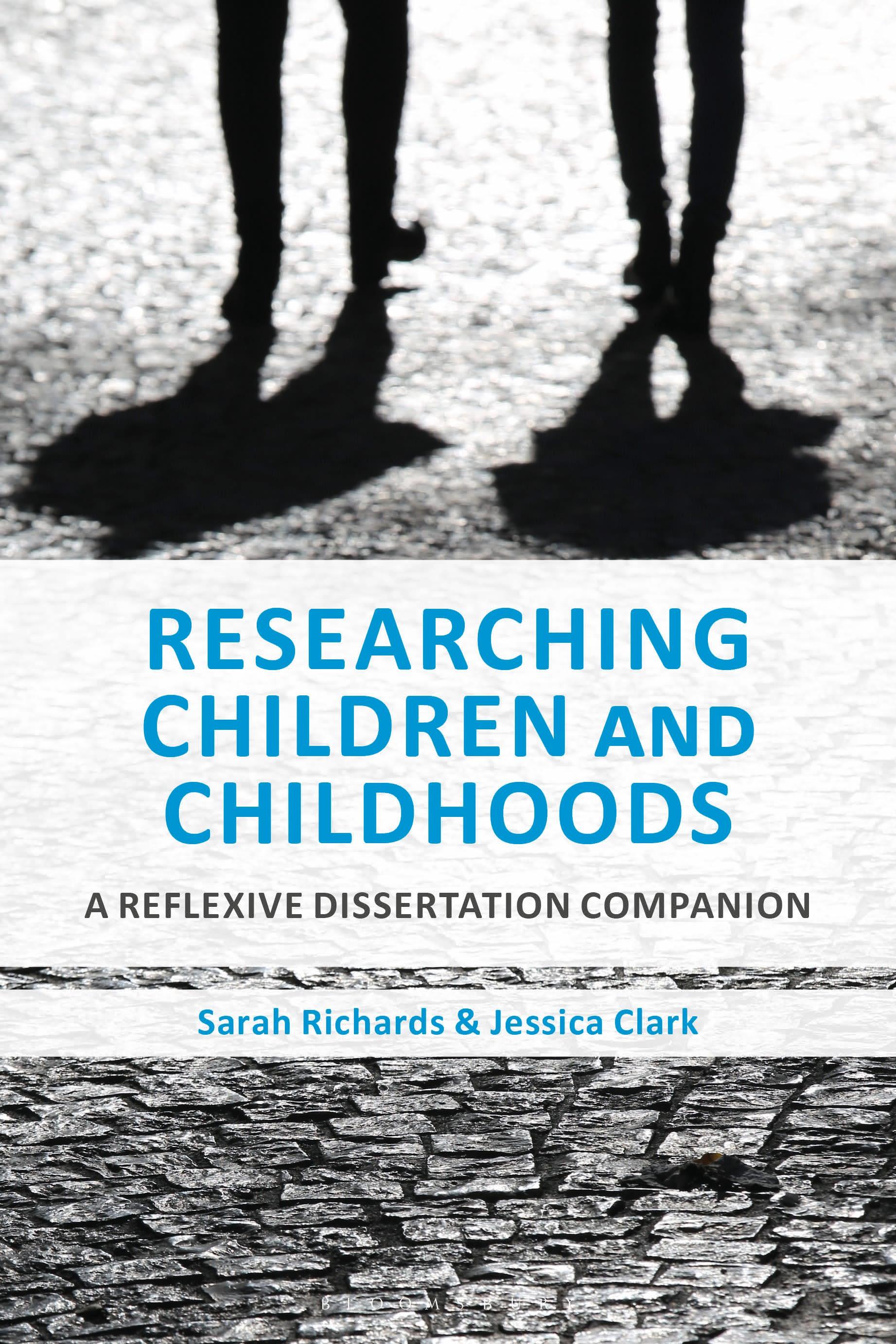
Junior researchers in the field of childhood studies are often faced with many challenges that accompany research with young participants. Methodological concepts, such as research relationships, positionality, self-disclosure and reflexivity can sometimes become subordinate to more practical and procedural concerns. Researching Children and Childhoods frames these themes not as problems but as opportunities to deepen and strengthen research discussions and analysis.
Providing students with a guide to support their ventures into research with children and young people, this book offers practical advice on writing a thesis/dissertation and will enable readers to:
- confidently reflect on the ethical issues embedded in their own projects and recognise them as opportunities for discussion within their dissertations or thesis
- demystify the role of methodologies and position them as essential tools for their research
- consider the efficacy of concepts such as agency, autonomy, participation, subjectivity, and voice as ways of understanding childhood and children's lived experiences
- use ideas such as positionality, self-disclosure and category entitlement to recognise the integral role of researcher identity and relationships in the construction of knowledge
- use 'I' authoritatively when writing about their own research without reducing content to descriptive, opinion based discussions
- situate their research by exploring the context in which the research takes place and the power relations embedded within participants and researcher relationships
Each chapter includes a variety of researcher experiences, vignette examples, and specific activities, aimed at applying the key themes represented in this volume into research dissertations.
Providing students with a guide to support their ventures into research with children and young people, this book offers practical advice on writing a thesis/dissertation and will enable readers to:
- confidently reflect on the ethical issues embedded in their own projects and recognise them as opportunities for discussion within their dissertations or thesis
- demystify the role of methodologies and position them as essential tools for their research
- consider the efficacy of concepts such as agency, autonomy, participation, subjectivity, and voice as ways of understanding childhood and children's lived experiences
- use ideas such as positionality, self-disclosure and category entitlement to recognise the integral role of researcher identity and relationships in the construction of knowledge
- use 'I' authoritatively when writing about their own research without reducing content to descriptive, opinion based discussions
- situate their research by exploring the context in which the research takes place and the power relations embedded within participants and researcher relationships
Each chapter includes a variety of researcher experiences, vignette examples, and specific activities, aimed at applying the key themes represented in this volume into research dissertations.
Sider: 160
Kategori: Vetenskapsteori och forskningsmetod
e-ISBN: 9781350043220
Fraktvekt: 1.2 kg
Sendes innen: 1-2 dager
Betal enkelt med kort, Klarna, Apple Pay eller Google Pay. Ikke fornøyd? Du har alltid 14 dagers angrerett. Les mer i våre vilkår. Har du spørsmål, send oss en e-post på hello@memmo.org.
Memmo gjør det enklere å studere – uansett hvor du er i verden. Hos oss samler du pensumbøker og smarte studieverktøy på ett og samme sted: sammendrag, quizer, podkaster og flashcards. Og så Ted, din studiekompis som svarer på alt du lurer på. Over 50 000 studenter studerer allerede her – bygget for at du skal lære raskere og stresse mindre.