
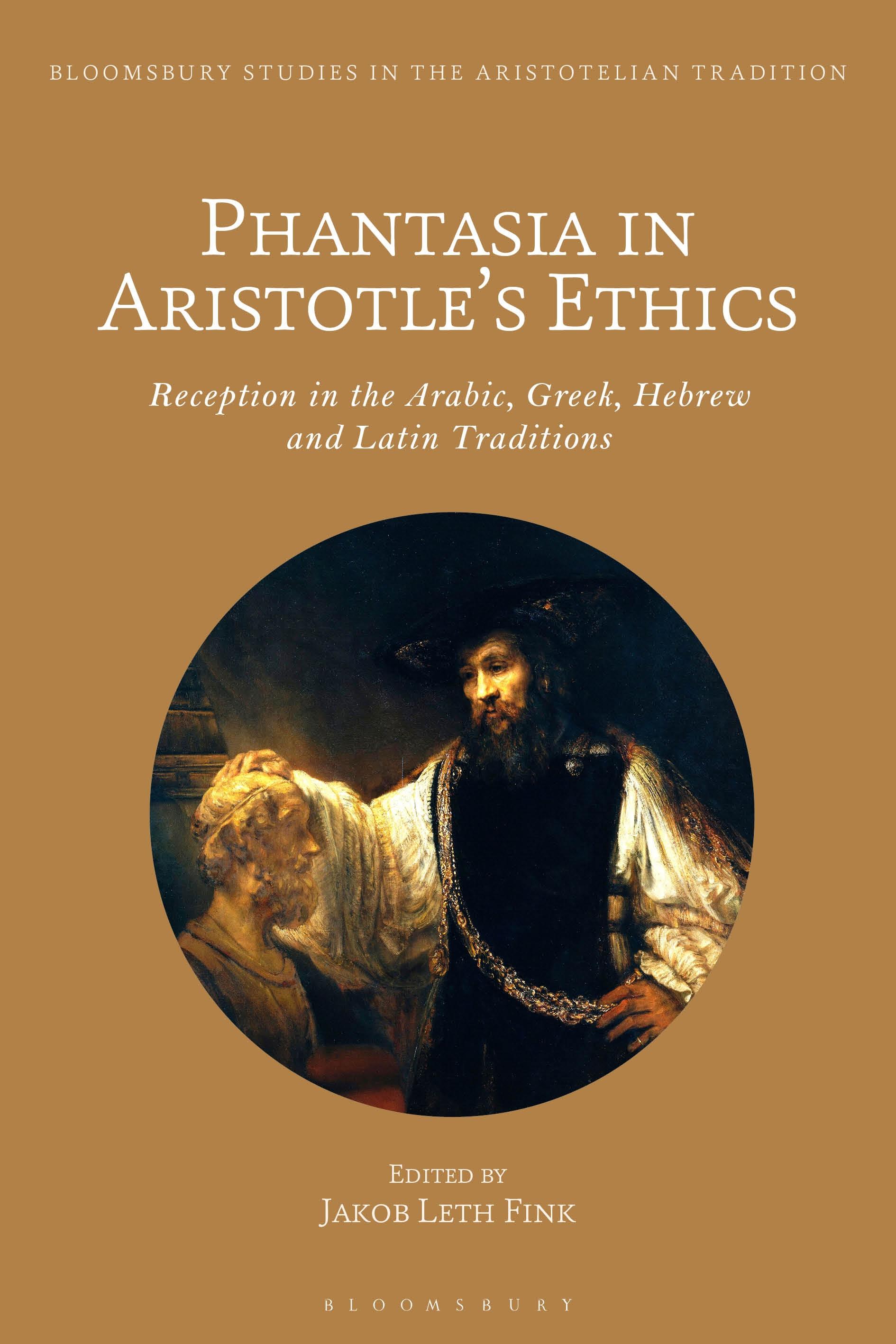
In the Nicomachean Ethics, Aristotle suggests that a moral principle 'does not immediately appear to the man who has been corrupted by pleasure or pain'. Phantasia in Aristotle's Ethics investigates his claim and its reception in ancient and medieval Aristotelian traditions, including Arabic, Greek, Hebrew and Latin.
While contemporary commentators on the Ethics have overlooked Aristotle's remark, his ancient and medieval interpreters made substantial contributions towards a clarification of the claim's meaning and relevance. Even when the hazards of transmission have left no explicit comments on this particular passage, as is the case in the Arabic tradition, medieval responders still offer valuable interpretations of phantasia (appearance) and its role in ethical deliberation and action. This volume casts light on these readings, showing how the distant voices from the medieval Arabic, Greek, Hebrew and Latin Aristotelian traditions still contribute to contemporary debate concerning phantasia, motivation and deliberation in Aristotle's Ethics.
While contemporary commentators on the Ethics have overlooked Aristotle's remark, his ancient and medieval interpreters made substantial contributions towards a clarification of the claim's meaning and relevance. Even when the hazards of transmission have left no explicit comments on this particular passage, as is the case in the Arabic tradition, medieval responders still offer valuable interpretations of phantasia (appearance) and its role in ethical deliberation and action. This volume casts light on these readings, showing how the distant voices from the medieval Arabic, Greek, Hebrew and Latin Aristotelian traditions still contribute to contemporary debate concerning phantasia, motivation and deliberation in Aristotle's Ethics.
Betal enkelt med kort, Klarna, Apple Pay eller Google Pay. Ikke fornøyd? Du har alltid 14 dagers angrerett. Les mer i våre vilkår. Har du spørsmål, send oss en e-post på hello@memmo.org.
Memmo gjør det enklere å studere – uansett hvor du er i verden. Hos oss samler du pensumbøker og smarte studieverktøy på ett og samme sted: sammendrag, quizer, podkaster og flashcards. Og så Ted, din studiekompis som svarer på alt du lurer på. Over 50 000 studenter studerer allerede her – bygget for at du skal lære raskere og stresse mindre.