
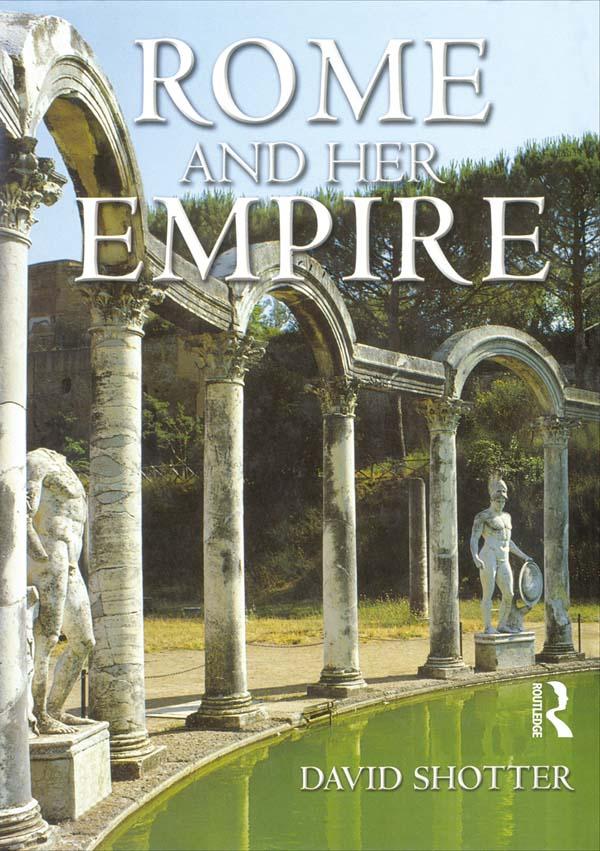
The name of Rome excites a picture of power and organisation, as do the widely-spread ruins that Roman civilization left behind. Yet Rome grew out of a collection of small villages and major developments such as the growth of Empire were unplanned and completely unprepared for.Influenced by a small number of self-interested aristocrats who lacked a broader vision, Rome was often threatened by their intrigues. Brought to the ground on a number of occasions, its leaders were able to snatch victory from the jaws of defeat. How did Rome survive for nearly 1000 years, ruling over millions of people with few instances of internal rebellion? David Shotter argues that the key was the way Rome managed to adapt to new circumstances, without at the same time discarding too many of its cherished traditions.
Betal enkelt med kort, Klarna, Apple Pay eller Google Pay. Ikke fornøyd? Du har alltid 14 dagers angrerett. Les mer i våre vilkår. Har du spørsmål, send oss en e-post på hello@memmo.org.
Memmo gjør det enklere å studere – uansett hvor du er i verden. Hos oss samler du pensumbøker og smarte studieverktøy på ett og samme sted: sammendrag, quizer, podkaster og flashcards. Og så Ted, din studiekompis som svarer på alt du lurer på. Over 50 000 studenter studerer allerede her – bygget for at du skal lære raskere og stresse mindre.
Du vil kanskje også like
Kjøp boken0