
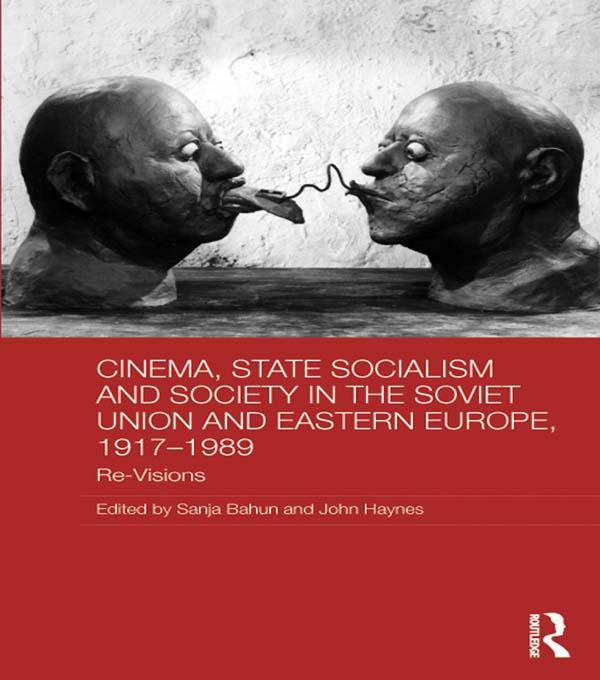
This book presents a comprehensive re-examination of the cinemas of the Soviet Union and Central and Eastern Europe during the communist era. It argues that, since the end of communism in these countries, film scholars are able to view these cinemas in a different way, no longer bound by an outlook relying on binary Cold War terms. With the opening of archives in Eastern Europe and the former Soviet Union, much more is known about these states and societies; at the same time, the field has been reinvigorated by its opening up to more contemporary concepts, themes and approaches in film studies and adjacent disciplines. Taking stock of these developments, this book presents a rich, varied tapestry, relating specific films to specific national and transnational circumstances, rather than viewing them as a single, monolithic "Cold War Communist" cinema.
Betal enkelt med kort, Klarna, Apple Pay eller Google Pay. Ikke fornøyd? Du har alltid 14 dagers angrerett. Les mer i våre vilkår. Har du spørsmål, send oss en e-post på hello@memmo.org.
Memmo gjør det enklere å studere – uansett hvor du er i verden. Hos oss samler du pensumbøker og smarte studieverktøy på ett og samme sted: sammendrag, quizer, podkaster og flashcards. Og så Ted, din studiekompis som svarer på alt du lurer på. Over 50 000 studenter studerer allerede her – bygget for at du skal lære raskere og stresse mindre.