
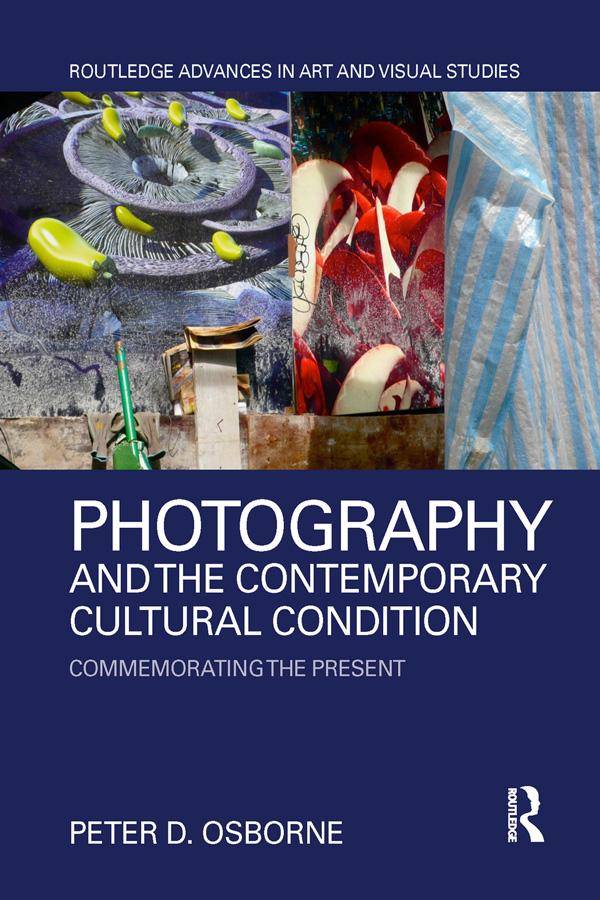
In this book, Osborne demonstrates why and how photography as photography has survived and flourished since the rise of digital processes, when many anticipated its dissolution into a generalised system of audio-visual representations or its collapse under the relentless overload of digital imagery. He examines how photography embodies, contributes to, and even in effect critiques how the contemporary social world is now imagined, how it is made present and how the concept and the experience of the Present itself is produced. Osborne bases his discussions primarily in cultural studies and visual cultural studies. Through an analysis of different kinds of photographic work in distinct contexts, he demonstrates how aspects of photography that once appeared to make it vulnerable to redundancy turn out to be the basis of its survival and have been utilised by much important photographic work of the last three decades.
Betal enkelt med kort, Klarna, Apple Pay eller Google Pay. Ikke fornøyd? Du har alltid 14 dagers angrerett. Les mer i våre vilkår. Har du spørsmål, send oss en e-post på hello@memmo.org.
Memmo gjør det enklere å studere – uansett hvor du er i verden. Hos oss samler du pensumbøker og smarte studieverktøy på ett og samme sted: sammendrag, quizer, podkaster og flashcards. Og så Ted, din studiekompis som svarer på alt du lurer på. Over 50 000 studenter studerer allerede her – bygget for at du skal lære raskere og stresse mindre.