
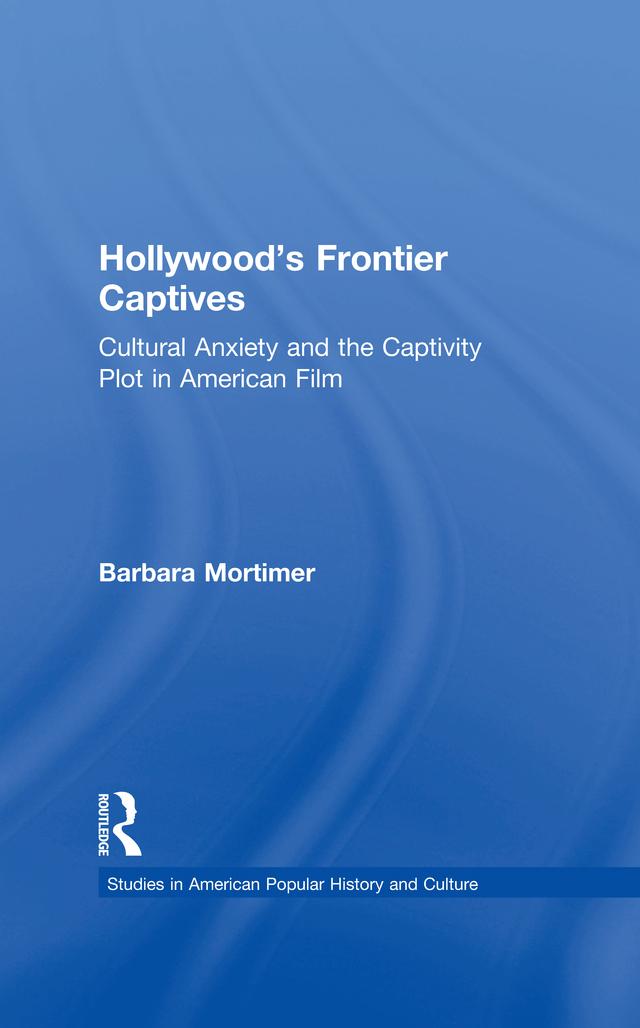
The captivity narrative, the earliest genre of American popular literature, continues to be of cultural significance in late 20th-century Hollywood. Many popular films of the last four decades incorporate the most common elements of the captivity narrative tradition, including a politically contested frontier setting and a plot involving innocent, family-oriented white Americans held captive by hostile, culturally alien natives. At the same time, these films offer something new to the narrative tradition: they focus on the captive who resists rescue and the challenge this resistance poses to American cultural self-confidence. By focusing on the lost captive, these films, beginning with The Searchers (1956), deal with questions about American identity raised by a white American's cultural and potentially political transformation. Films as diverse as Little Big Man, Taxi Driver, and The Deer Hunter adapted the captivity narrative's conventions to criticize aspects of contemporary American society and reject outworn models of male heroism; at the same time, however, they retained the genre's traditional assumption of white superiority and its fear of female sexuality. Bibliography. Index.
Sider: 192
Kategori: Film- & Medievetenskap
e-ISBN: 9781317776741
Fraktvekt: 1.2 kg
Sendes innen: 1-2 dager
Betal enkelt med kort, Klarna, Apple Pay eller Google Pay. Ikke fornøyd? Du har alltid 14 dagers angrerett. Les mer i våre vilkår. Har du spørsmål, send oss en e-post på hello@memmo.org.
Memmo gjør det enklere å studere – uansett hvor du er i verden. Hos oss samler du pensumbøker og smarte studieverktøy på ett og samme sted: sammendrag, quizer, podkaster og flashcards. Og så Ted, din studiekompis som svarer på alt du lurer på. Over 50 000 studenter studerer allerede her – bygget for at du skal lære raskere og stresse mindre.
Du vil kanskje også like
Kjøp boken0