
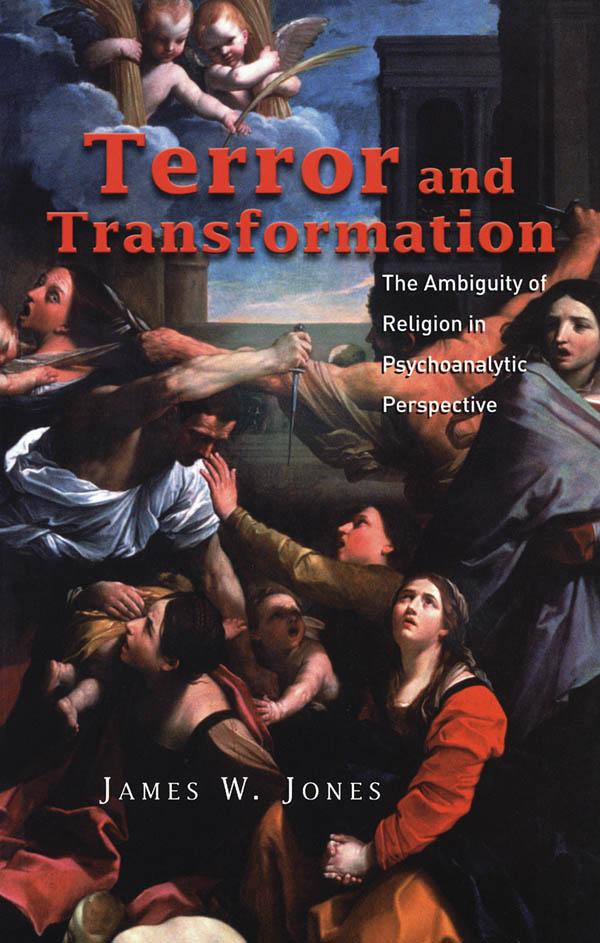
Religion has been responsible for both horrific acts against humanity and some of humanity's most sublime teachings and experiences. How is this possible? From a contemporary psychoanalytic perspective, this book seeks to answer that question in terms of the psychological dynamic of idealisation.
At the heart of living religion is the idealisation of everyday objects. Such idealisations provide much of the transforming power of religious experience, which is one of the positive contributions of religion to the psychological life. However, idealisation can also lead to religious fanaticism which can be very destructive. Drawing on the work of various contemporary relational theorists within psychoanalysis, this book develops a psychoanalytically informed theory of the transforming and terror-producing effects of religious experience. It discusses the question of whether or not, if idealisation is the cause of many of the destructive acts done in the name of religion, there can be vital religion without idealisation.
This is the first book to address the nature of religion and its capacity to sponsor both terrorism and transformation in terms of contemporary relational psychoanalytic theory. It will be invaluable to students and practitioners of psychoanalysis, psychotherapy, psychology and religious studies, and to others interested in the role of religion in the lives of individuals and societies.
Betal enkelt med kort, Klarna, Apple Pay eller Google Pay. Ikke fornøyd? Du har alltid 14 dagers angrerett. Les mer i våre vilkår. Har du spørsmål, send oss en e-post på hello@memmo.org.
Memmo gjør det enklere å studere – uansett hvor du er i verden. Hos oss samler du pensumbøker og smarte studieverktøy på ett og samme sted: sammendrag, quizer, podkaster og flashcards. Og så Ted, din studiekompis som svarer på alt du lurer på. Over 50 000 studenter studerer allerede her – bygget for at du skal lære raskere og stresse mindre.
Du vil kanskje også like
Kjøp boken0