
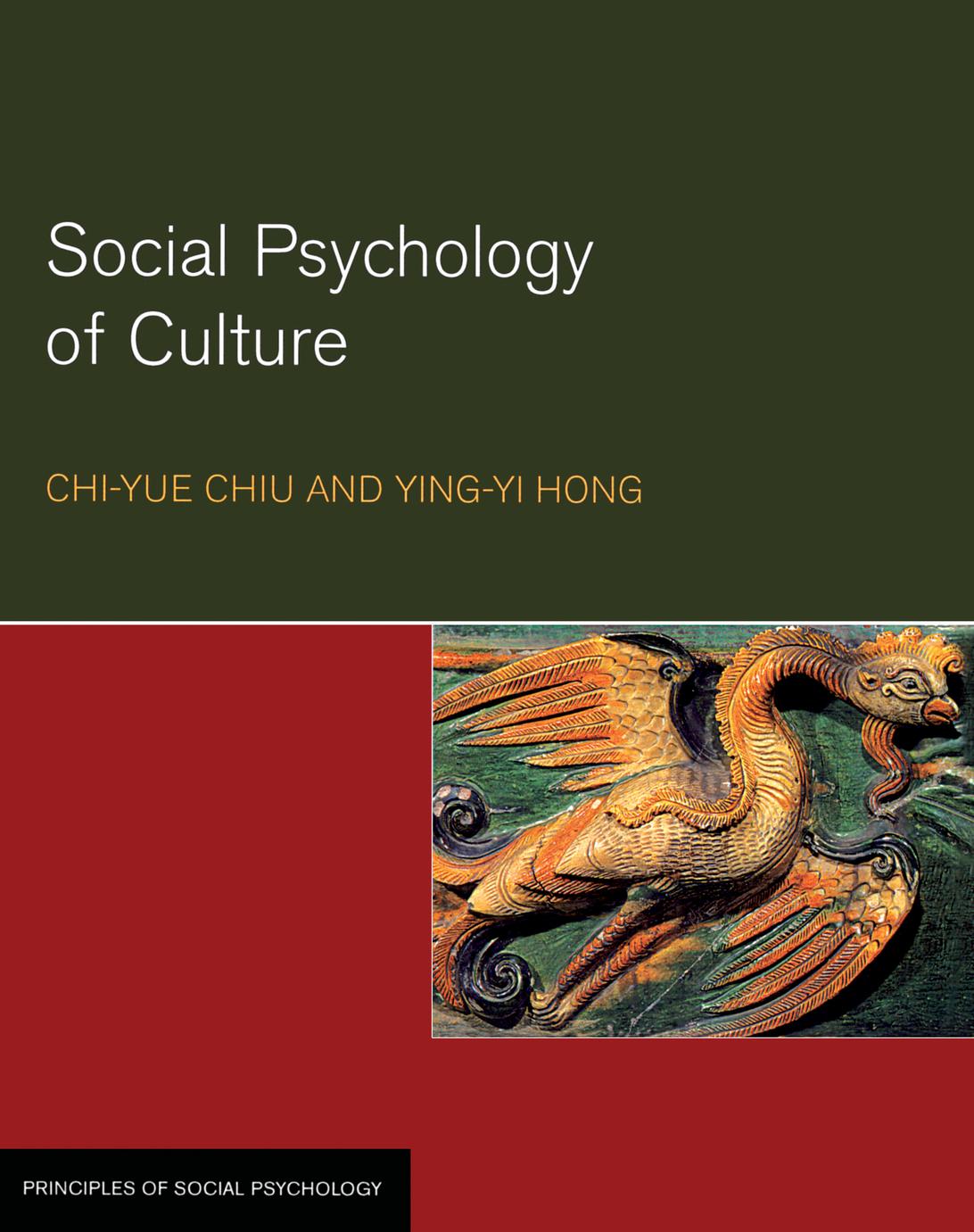
As the speed of globalization accelerates, world cultures are more closely connected to each other than ever before. But what exactly is culture? It seems to be involved in all psychological processes, but can its psychological consequences be studied scientifically? How can cultural differences be described without reifying culture and reinforcing cultural stereotypes? Culture and mind constitute each other, but how? Why do humans need culture? How did the evolution of the mind enable the development of human culture? How does participation in culture transform the mind, and how does the mind process and apply culture? How may culture become a resource for pursuing valued goals, and how does culture become part of the self? How do culture travelers navigate cultures and negotiate multiple cultural identities?
The authors of this volume offer a refreshing theoretical perspective and organize seemingly disparate research evidence into a coherent body of psychological knowledge. With its accessible language and lively narrative, this volume engages its readers in an intellectual journey through the fascinating research literatures in psychology, anthropology, and the cognate disciplines.
This book will make an ideal textbook for senior undergraduate and graduate courses on psychology and culture, cultural studies, cognitive anthropology, and intercultural communication.
Betal enkelt med kort, Klarna, Apple Pay eller Google Pay. Ikke fornøyd? Du har alltid 14 dagers angrerett. Les mer i våre vilkår. Har du spørsmål, send oss en e-post på hello@memmo.org.
Memmo gjør det enklere å studere – uansett hvor du er i verden. Hos oss samler du pensumbøker og smarte studieverktøy på ett og samme sted: sammendrag, quizer, podkaster og flashcards. Og så Ted, din studiekompis som svarer på alt du lurer på. Over 50 000 studenter studerer allerede her – bygget for at du skal lære raskere og stresse mindre.