
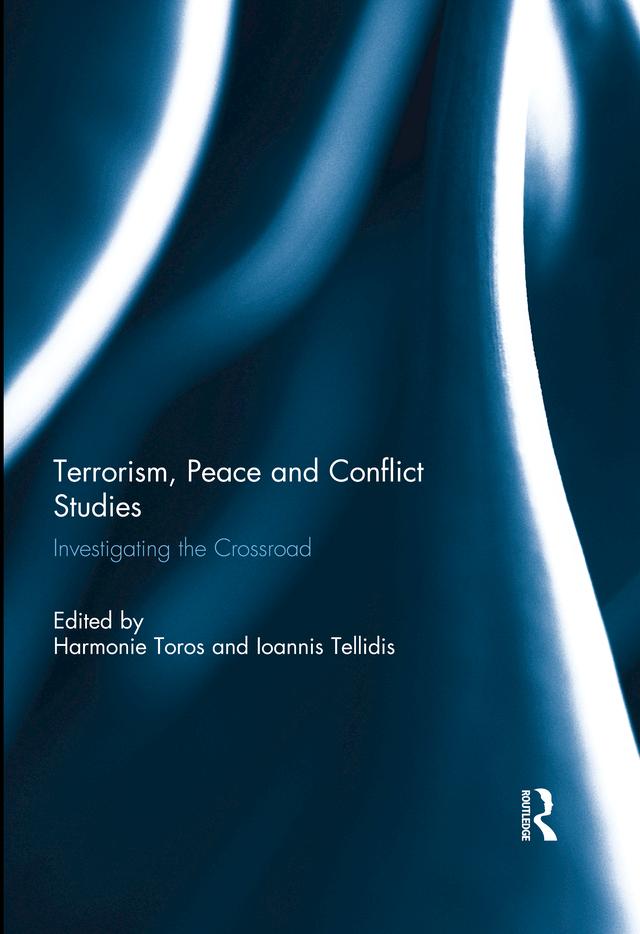
This book opens up the discussion of the interrelation between terrorism studies, and peace and conflict studies. The aim is to examine the instances and circumstances under which both fields can benefit from each other. Even though it is often accepted that terrorism is a form of political violence, it is also quite frequent that research on the topic is dismissed when it is approached with conflict analysis frames. More importantly, policy approaches continue to inhibit, obstruct and reject frameworks that are concerned with the transformation and resolution of terrorist conflicts – partly because they see the state as the ultimate referent object to be secured. At the same time, peace and conflict studies seem to be excessively focused on problem-solving approaches, which overemphasise the role of parity during negotiations and misdiagnose the distribution of power both within conflicts as well as within conflict management, resolution and/or transformation approaches.
This book was published as a special issue of Critical Studies on Terrorism.
Betal enkelt med kort, Klarna, Apple Pay eller Google Pay. Ikke fornøyd? Du har alltid 14 dagers angrerett. Les mer i våre vilkår. Har du spørsmål, send oss en e-post på hello@memmo.org.
Memmo gjør det enklere å studere – uansett hvor du er i verden. Hos oss samler du pensumbøker og smarte studieverktøy på ett og samme sted: sammendrag, quizer, podkaster og flashcards. Og så Ted, din studiekompis som svarer på alt du lurer på. Over 50 000 studenter studerer allerede her – bygget for at du skal lære raskere og stresse mindre.