
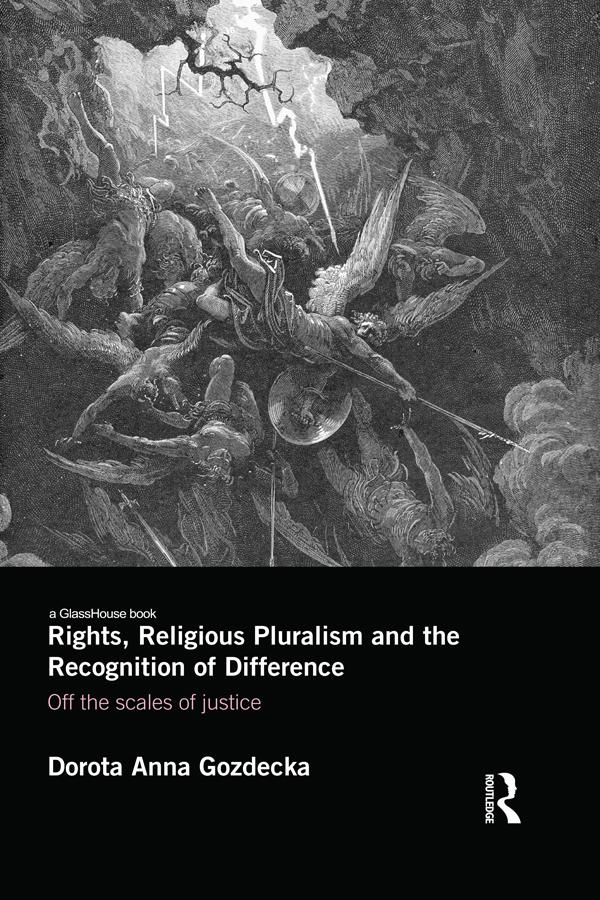
Human rights and their principles of interpretation are the leading legal paradigms of our time. Freedom of religion occupies a pivotal position in rights discourses, and the principles supporting its interpretation receive increasing attention from courts and legislative bodies. This book critically evaluates religious pluralism as an emerging legal principle arising from attempts to define the boundaries of freedom of religion. It examines religious pluralism as an underlying aspect of different human rights regimes and constitutional traditions. It is, however, the static and liberal shape religious pluralism has assumed that is taken up critically here. In order to address how difference is vulnerable to elimination, rather than recognition, the book takes up a contemporary ethics of alterity. More generally, and through its reconstruction of a more difference-friendly vision of religious pluralism, it tackles the problem of the role of rights in the era of diverse narratives of emancipation.
Betal enkelt med kort, Klarna, Apple Pay eller Google Pay. Ikke fornøyd? Du har alltid 14 dagers angrerett. Les mer i våre vilkår. Har du spørsmål, send oss en e-post på hello@memmo.org.
Memmo gjør det enklere å studere – uansett hvor du er i verden. Hos oss samler du pensumbøker og smarte studieverktøy på ett og samme sted: sammendrag, quizer, podkaster og flashcards. Og så Ted, din studiekompis som svarer på alt du lurer på. Over 50 000 studenter studerer allerede her – bygget for at du skal lære raskere og stresse mindre.