
Før Memmo var notatene mine spredt overalt i PDF-er. Nå samler et arbeidsområde alt på ett sted – jeg ser akkurat hva som gjenstår å studere.
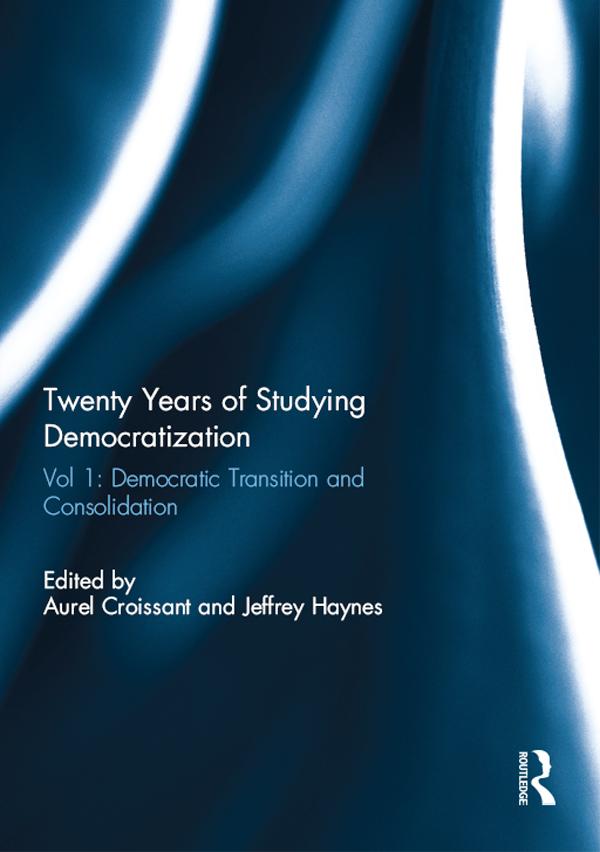
Democratization emerged at a time of epochal change in global politics: the twin impacts of the end of the Soviet Union and the speeding up and deepening of globalisation in the early 1990s meant a whole new ball game in terms of global political developments. The journal’s first issue appeared in early 1994. Over time, the editorial position has been consistently to focus on ‘the third wave of democracy’ and its aftermath. The third wave is the most recent exemplar of a long-term, historical trend towards more democratically viable regimes and away from authoritarian systems and leaders. In short, the journal wants to promote a better understanding of democratization – defined as the way democratic norms, institutions and practices evolve and are disseminated both within and across national and cultural boundaries.
Over the years, the many excellent articles that we have featured in the journal have shared our focus on democratization, viewed as a process. The journal has sought – and continues to seek – to build on the enduring scholarly and of course popular interest in democracy, how and why it emerges, develops and becomes consolidated. Our emphasis over the last 20 years has been contemporary and the approach comparative, with a strong desire to be both topical and authoritative.
We include special reference to democratization in the developing world and in post-communist societies. In sum, just as 20 years ago, the journal today aims to encourage debate on the many aspects of democratization that are of interest to policy-makers, administrators and journalists, aid and development personnel, those involved in education, and, perhaps above all, the tens of millions of ordinary people around the world who do not (yet) enjoy the benefits of living under democratic rule. The two dozen articles collected in this ‘virtual’ special issue are emphatic proof of the power of the written word to induce debate, uncertainty, and ultimately progress towards better forms of politics, focused on the achievement of the democratic aspirations of men and women everywhere.
Før Memmo var notatene mine spredt overalt i PDF-er. Nå samler et arbeidsområde alt på ett sted – jeg ser akkurat hva som gjenstår å studere.
Memmos sammendrag er gull før eksamen. Jeg slipper å lese 800 sider to uker før – bare det viktigste.
AI-chatten har reddet meg kvelden før eksamen mer enn én gang. Jeg bare spør til jeg forstår – slipper å vente på svar i en studiegruppe.
Quizene treffer akkurat det jeg trenger å vite. Memmo holder styr på hva jeg sliter med – så jeg øver bare på det som er verdt det.
Flashcards med repetisjon over tid er magi. Memmo vet når jeg er i ferd med å glemme noe og viser det igjen.
AI-podkastene er min favoritt. Jeg lytter på vei til skolen og får en repetisjon uten å sitte foran en datamaskin.

Handbok i kvalitativa metoder
281 kr

Hållbar utveckling: en introduktion för ingenjörer och andra problemlösare
334 kr

Brymans Samhällsvetenskapliga metoder
390 kr

Projektledning
491 kr

Den orättvisa hälsan: om socioekonomiska skillnader i hälsa och livslängd
326 kr

Vetenskapsteori för nybörjare
196 kr

Organizational Leadership
429 kr

På väg mot läraryrket
172 kr

Det sociala livet i skolan: Socialpsykologiska perspektiv
253 kr

Betygsättningens didaktik
151 kr

Personality
402 kr

Studying Leadership
404 kr

Managing Innovation
477 kr

Introduktion till samhällsvetenskaplig metod
347 kr

The Psychology of Sex and Gender
698 kr

Evidens och kunskap för socialt arbete
207 kr

Introduction to Leadership
605 kr