
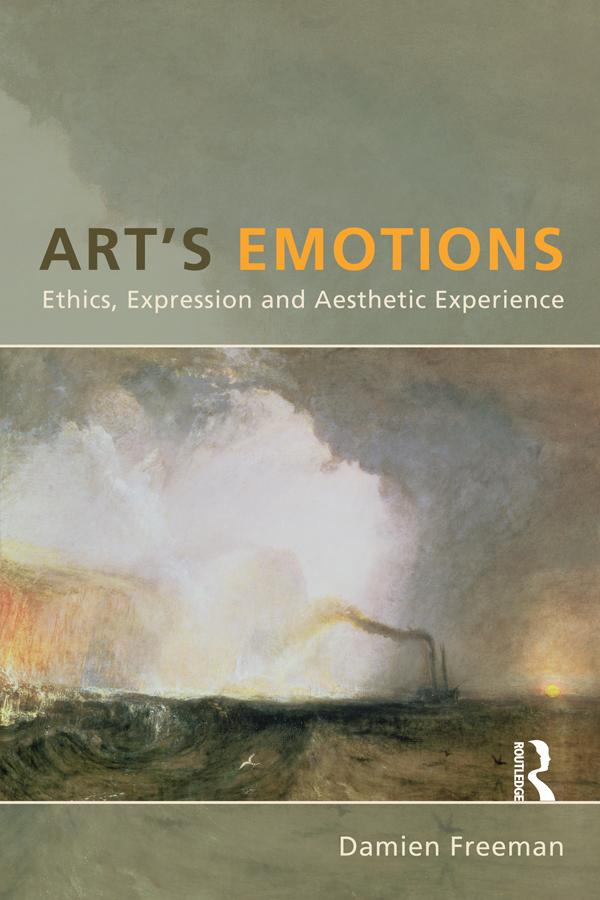
Despite the very obvious differences between looking at Manet’s Woman with a Parrot and listening to Elgar’s Cello Concerto, both experiences provoke similar questions in the thoughtful aesthete: why does the painting seem to express reverie and the music, nostalgia? How do we experience the reverie and nostalgia in such works of art? Why do we find these experiences rewarding in similar ways? As our awareness of emotion in art, and our engagement with art’s emotions, can make such a special contribution to our life, it is timely for a philosopher to seek to account for the nature and significance of the experience of art’s emotions.
Damien Freeman develops a new theory of emotion that is suitable for resolving key questions in aesthetics. He then reviews and evaluates three existing approaches to artistic expression, and proposes a new approach to the emotional experience of art that draws on the strengths of the existing approaches. Finally, he seeks to establish the ethical significance of this emotional experience of art for human flourishing. Freeman challenges the reader not only to consider how art engages with emotion, but how we should connect up our answers to questions concerning the nature and value of the experiences offered by works of art.
Betal enkelt med kort, Klarna, Apple Pay eller Google Pay. Ikke fornøyd? Du har alltid 14 dagers angrerett. Les mer i våre vilkår. Har du spørsmål, send oss en e-post på hello@memmo.org.
Memmo gjør det enklere å studere – uansett hvor du er i verden. Hos oss samler du pensumbøker og smarte studieverktøy på ett og samme sted: sammendrag, quizer, podkaster og flashcards. Og så Ted, din studiekompis som svarer på alt du lurer på. Over 50 000 studenter studerer allerede her – bygget for at du skal lære raskere og stresse mindre.