
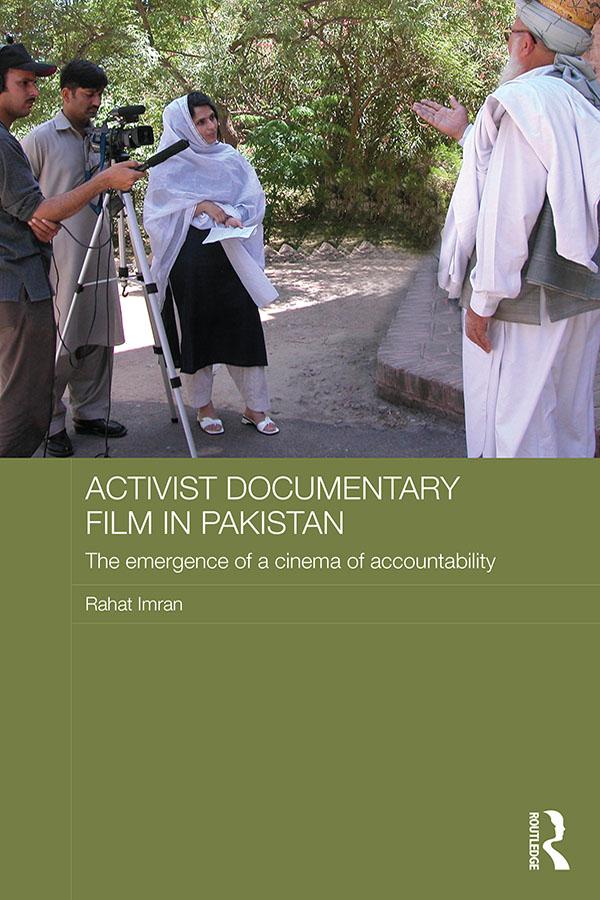
This book, the first academic book on Pakistani documentary cinema, traces the development of activist filmmaking practices in Pakistan which have emerged as a response to the consequences of religious fundamentalism, extremism, and violation of human rights. Beginning with the period of General Zia-ul-Haq’s Islamization process (1977-88), it discusses a selection of representative documentary films that have critically addressed and documented the various key transformations, events, and developments that have shaped Pakistan’s socio-political, socio-economic, and cultural history. Such activist filmmaking practice in Pakistan is today an influential factor in addressing the politics, and negative and oppressive effects of the Islamization era, discriminatory laws, particularly gender-discriminatory Sharia laws, violation of human and citizen rights, authoritarianism, internal strife, the spread of religious fundamentalism, and the threat of Talibanization, and oppressive tribal customs and traditions. The contribution of Pakistani documentary filmmakers stands as a significant body of work that has served the cause of human rights, promoting awareness and social change in Pakistan, particularly regarding gender rights.
Betal enkelt med kort, Klarna, Apple Pay eller Google Pay. Ikke fornøyd? Du har alltid 14 dagers angrerett. Les mer i våre vilkår. Har du spørsmål, send oss en e-post på hello@memmo.org.
Memmo gjør det enklere å studere – uansett hvor du er i verden. Hos oss samler du pensumbøker og smarte studieverktøy på ett og samme sted: sammendrag, quizer, podkaster og flashcards. Og så Ted, din studiekompis som svarer på alt du lurer på. Over 50 000 studenter studerer allerede her – bygget for at du skal lære raskere og stresse mindre.