
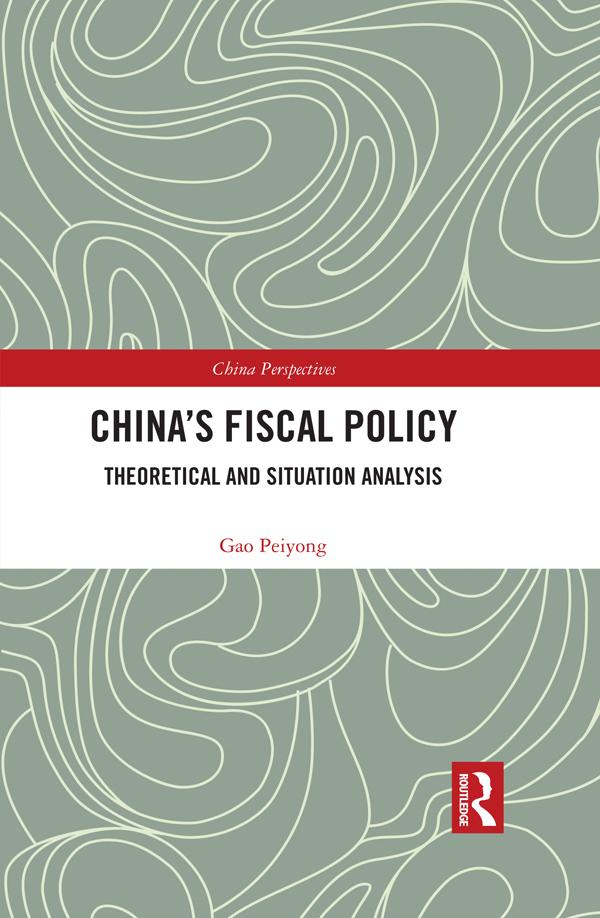
Fiscal policy has always been a primary measure of macroeconomic control. The fiscal revenue and expenditure can influence the operation of the whole economic and social activities by changing the existing GDP distribution pattern, affecting the consumption and investment of enterprises and people, etc.
Within the framework of macroeconomic analysis, this book reviews the evolution of China’s fiscal policy, and the main changes China’s economy has experienced since 1990s. To begin with, it makes an empirical research of China’s national debts, including their relationship with macroeconomic regulation and total social demand. Besides, it examines the economic effect mechanism of national debts issuance. Then it focuses on the taxation issues, elucidating the sources of tax revenue growth and the judgments on tax burden. The issue of tax reduction is also covered, especially its complexity in China. Lastly, it provides insights into China’s fiscal tendency, changes of macroeconomic policies, and financial operation in the context of the "New Normal".
Scholars and students in economics, finance and Chinese economic studies will be attracted by this book. Also, it will appeal to readers interested in modern Chinese economic history.
Betal enkelt med kort, Klarna, Apple Pay eller Google Pay. Ikke fornøyd? Du har alltid 14 dagers angrerett. Les mer i våre vilkår. Har du spørsmål, send oss en e-post på hello@memmo.org.
Memmo gjør det enklere å studere – uansett hvor du er i verden. Hos oss samler du pensumbøker og smarte studieverktøy på ett og samme sted: sammendrag, quizer, podkaster og flashcards. Og så Ted, din studiekompis som svarer på alt du lurer på. Over 50 000 studenter studerer allerede her – bygget for at du skal lære raskere og stresse mindre.