
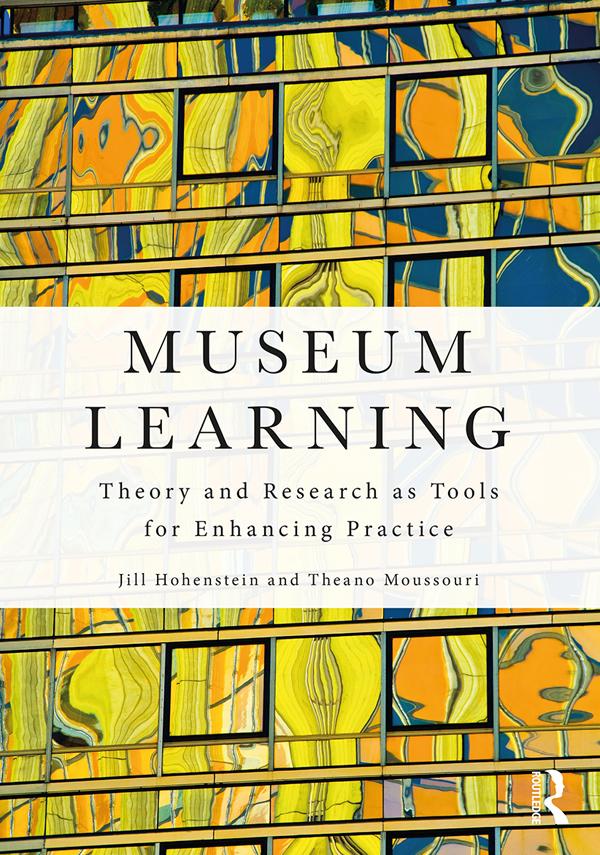
As museums are increasingly asked to demonstrate not only their cultural, but also their educational and social significance, the means to understand how museum visitors learn becomes ever more important. And yet, learning can be conceptualised and investigated in many ways. Coming to terms with how theories about learning interact with one another and how they relate to ‘evidence-based learning’ can be confusing at best.
Museum Learning attempts to make sense of multiple learning theories whilst focusing on a set of core learning topics in museums. Importantly, learning is considered not just as a cognitive characteristic, as some perspectives propose, but also as affective, taking into consideration interests, attitudes, and emotions; and as a social practice situated in cultural contexts. This book draws attention to the development of theory and its practical applications in museum situations such as aquariums, zoos, botanical gardens and historical re-enactment sites, among others.
This volume will be of interest to museum studies students, practitioners and researchers working in informal learning contexts, and will help them to reflect on what it means to learn in museums and create more effective environments for learning.
Betal enkelt med kort, Klarna, Apple Pay eller Google Pay. Ikke fornøyd? Du har alltid 14 dagers angrerett. Les mer i våre vilkår. Har du spørsmål, send oss en e-post på hello@memmo.org.
Memmo gjør det enklere å studere – uansett hvor du er i verden. Hos oss samler du pensumbøker og smarte studieverktøy på ett og samme sted: sammendrag, quizer, podkaster og flashcards. Og så Ted, din studiekompis som svarer på alt du lurer på. Over 50 000 studenter studerer allerede her – bygget for at du skal lære raskere og stresse mindre.