
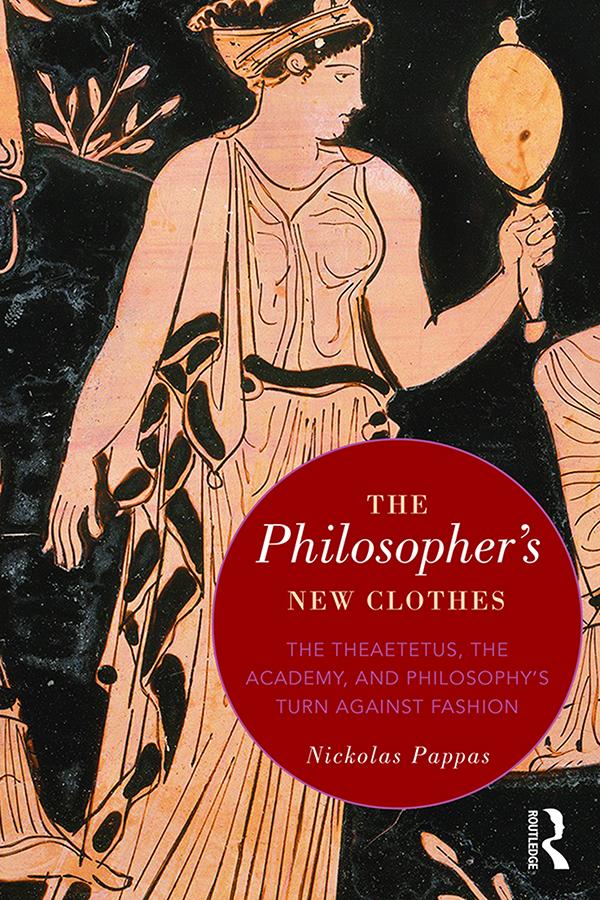
This book takes a new approach to the question, "Is the philosopher to be seen as universal human being or as eccentric?". Through a reading of the Theaetetus, Pappas first considers how we identify philosophers – how do they appear, in particular how do they dress? The book moves to modern philosophical treatments of fashion, and of "anti-fashion". He argues that aspects of the fashion/anti-fashion debate apply to antiquity, indeed that nudity at the gymnasia was an anti-fashion. Thus anti-fashion provides a way of viewing ancient philosophy’s orientation toward a social world in which, for all its true existence elsewhere, philosophy also has to live.
Betal enkelt med kort, Klarna, Apple Pay eller Google Pay. Ikke fornøyd? Du har alltid 14 dagers angrerett. Les mer i våre vilkår. Har du spørsmål, send oss en e-post på hello@memmo.org.
Memmo gjør det enklere å studere – uansett hvor du er i verden. Hos oss samler du pensumbøker og smarte studieverktøy på ett og samme sted: sammendrag, quizer, podkaster og flashcards. Og så Ted, din studiekompis som svarer på alt du lurer på. Over 50 000 studenter studerer allerede her – bygget for at du skal lære raskere og stresse mindre.