
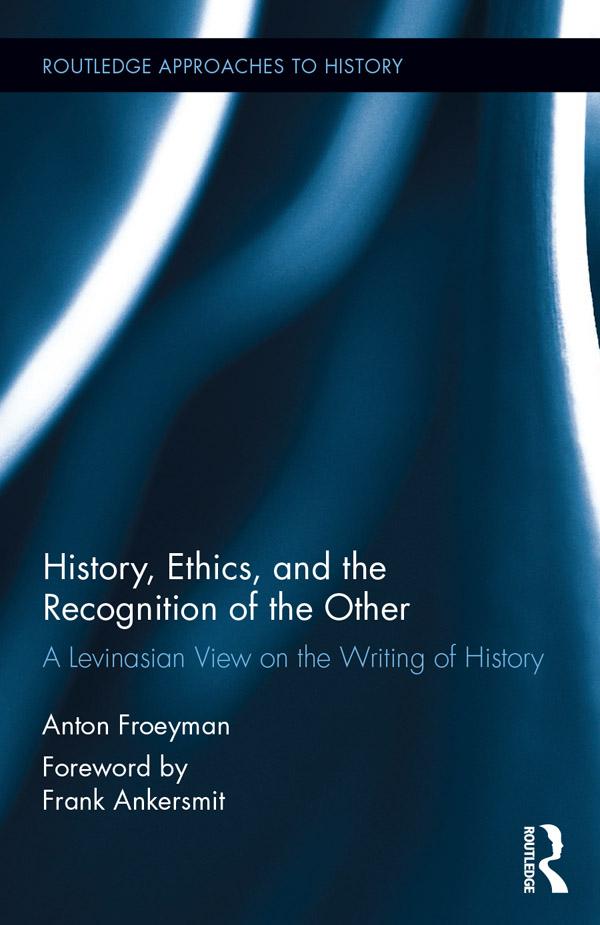
This book introduces a new way of looking at the writing of history. Rather than as the production of knowledge or the telling of stories, it sees writing history as an ethical, existential and emotional engagement with the people from the past. The conceptual and philosophical basis for this view is provided by the philosophy of Emmanuel Levinas. In the first part, the view is presented and contrasted with other, competing views, such as those of Hans-Georg Gadamer and Michel Foucault. In the second part, the view is argued for, most importantly by an in-depth discussion of one specific tradition of history-writing (microhistory), and a series of close readings of several classical works from the history of historiography. The third part, finally, explores some of the methodological consequences of this view, and applies it to a non-academic way of dealing with the past, namely historical performance practice in music. The book features a foreword by Frank Ankersmit.
Betal enkelt med kort, Klarna, Apple Pay eller Google Pay. Ikke fornøyd? Du har alltid 14 dagers angrerett. Les mer i våre vilkår. Har du spørsmål, send oss en e-post på hello@memmo.org.
Memmo gjør det enklere å studere – uansett hvor du er i verden. Hos oss samler du pensumbøker og smarte studieverktøy på ett og samme sted: sammendrag, quizer, podkaster og flashcards. Og så Ted, din studiekompis som svarer på alt du lurer på. Over 50 000 studenter studerer allerede her – bygget for at du skal lære raskere og stresse mindre.