
"An Englishman's way of speaking absolutely classifies him,
The moment he talks he makes some other Englishman despise him." - Henry
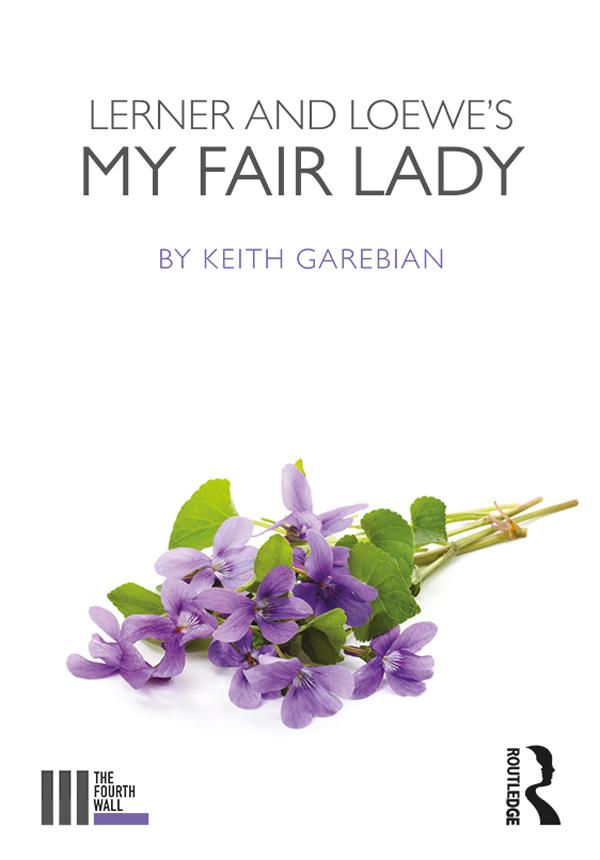
George Bernard Shaw famously refused to permit any play of his "to be degraded into an operetta or set to any music except its own." Allowing his beloved Pygmalion to be supplanted by a comic opera was therefore unthinkable; yet Lerner and Loewe transformed it into My Fair Lady (1956), a musical that was to delight audiences and critics alike. By famously reversing Shaw’s original ending, the show even dared to establish a cunningly romantic ending.
Keith Garebian delves into the libretto for a fresh take, and explores biographies of the show’s principal artists to discover how their roles intersected with real life.
Rex Harrison was an alpha male onstage and off, Julie Andrews struggled with her ‘chaste diva’ image, and the direction of the sexually ambiguous Moss Hartcontributed to the musical’s sexual coding.
Betal enkelt med kort, Klarna, Apple Pay eller Google Pay. Ikke fornøyd? Du har alltid 14 dagers angrerett. Les mer i våre vilkår. Har du spørsmål, send oss en e-post på hello@memmo.org.
Memmo gjør det enklere å studere – uansett hvor du er i verden. Hos oss samler du pensumbøker og smarte studieverktøy på ett og samme sted: sammendrag, quizer, podkaster og flashcards. Og så Ted, din studiekompis som svarer på alt du lurer på. Over 50 000 studenter studerer allerede her – bygget for at du skal lære raskere og stresse mindre.