
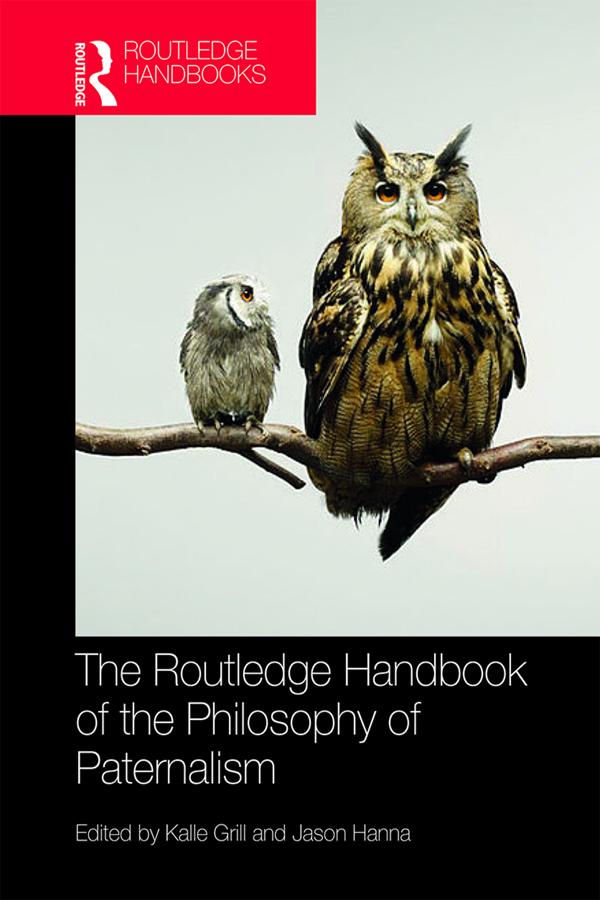
While paternalism has been a long-standing philosophical issue, it has recently received renewed attention among scholars and the general public. The Routledge Handbook of the Philosophy of Paternalism is an outstanding reference source to the key topics, problems and debates in this exciting subject and is the first collection of its kind. Comprising twenty-seven chapters by a team of international contributors the handbook is divided into five parts:
• What is Paternalism?
• Paternalism and Ethical Theory
• Paternalism and Political Philosophy
• Paternalism without Coercion
• Paternalism in Practice
Within these sections central debates, issues and questions are examined, including: how should paternalism be defined or characterized? How is paternalism related to such moral notions as rights, well-being, and autonomy? When is paternalism morally objectionable? What are the legitimate limits of government benevolence? To what extent should medical practice be paternalistic?
The Routledge Handbook of the Philosophy of Paternalism is essential reading for students and researchers in applied ethics and political philosophy. The handbook will also be very useful for those in related fields, such as law, medicine, sociology and political science.
Betal enkelt med kort, Klarna, Apple Pay eller Google Pay. Ikke fornøyd? Du har alltid 14 dagers angrerett. Les mer i våre vilkår. Har du spørsmål, send oss en e-post på hello@memmo.org.
Memmo gjør det enklere å studere – uansett hvor du er i verden. Hos oss samler du pensumbøker og smarte studieverktøy på ett og samme sted: sammendrag, quizer, podkaster og flashcards. Og så Ted, din studiekompis som svarer på alt du lurer på. Over 50 000 studenter studerer allerede her – bygget for at du skal lære raskere og stresse mindre.