
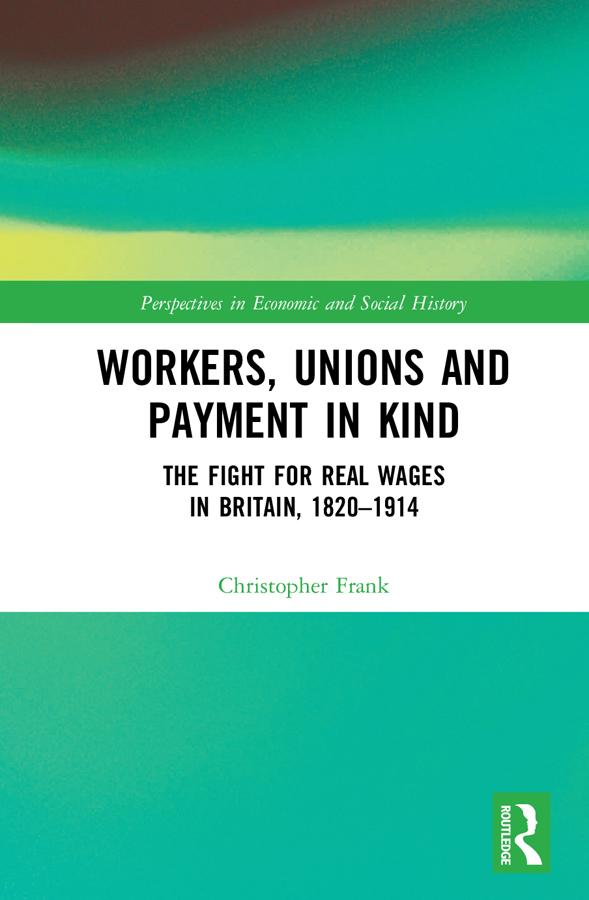
Despite the dramatic expansion of consumer culture from the beginning of the eighteenth century onwards and the developments in retailing, advertising and credit relationships in the nineteenth and twentieth centuries, there were a significant number of working families in Britain who were not fully free to consume as they chose.
These employees were paid in truck, or in goods rather than currency. This book will explore and analyse the changing ways that truck and workplace deductions were experienced by different groups in British society, arguing that it was far more common than has previously been acknowledged. This analysis brings to light issues of class and gender; the discourse of free trade, popular politics and protest; the development of the trade union movement; and the use of the legal system as an instrument for bringing about social and legal change.
Betal enkelt med kort, Klarna, Apple Pay eller Google Pay. Ikke fornøyd? Du har alltid 14 dagers angrerett. Les mer i våre vilkår. Har du spørsmål, send oss en e-post på hello@memmo.org.
Memmo gjør det enklere å studere – uansett hvor du er i verden. Hos oss samler du pensumbøker og smarte studieverktøy på ett og samme sted: sammendrag, quizer, podkaster og flashcards. Og så Ted, din studiekompis som svarer på alt du lurer på. Over 50 000 studenter studerer allerede her – bygget for at du skal lære raskere og stresse mindre.