
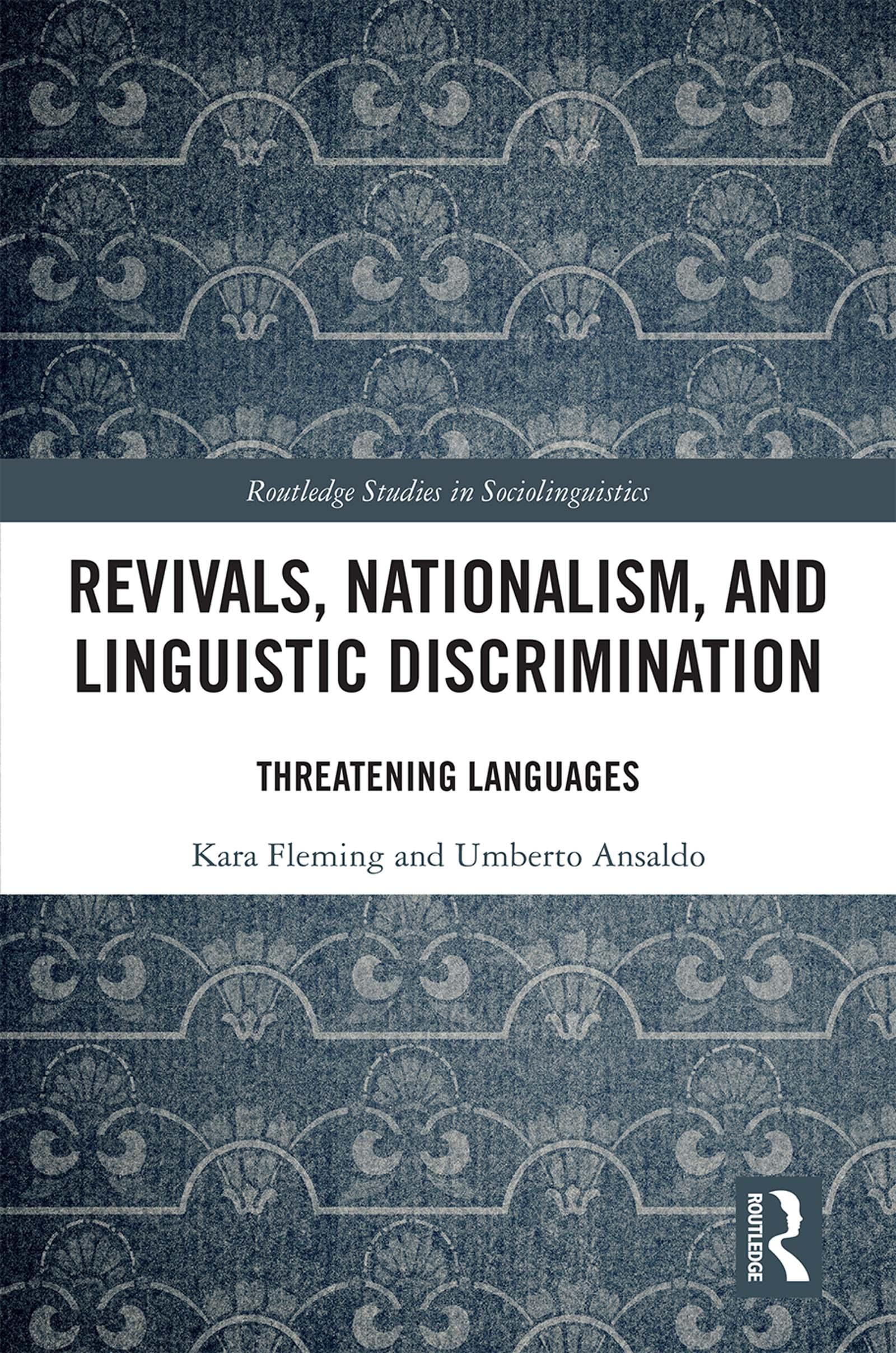
Is linguistic revival beneficiary to the plight of newly emerging, peripheral or even ‘threatened’ cultures? Or is it a smokescreen that hides the vestiges of ethnocentric ideologies, which ultimately create a hegemonic relationship? This book takes a critical look at revival exercises of special historical and geopolitical significance, and argues that a critical and cautious approach to revival movements is necessary.
The cases of Sinhala, Kazakh, Mongolian, Catalan, and even Hong Kong Cantonese show that it is not through linguistic revival, but rather through political representation and economic development, that the peoples in question achieve competitiveness and equality amongst their neighbors. On the other hand, linguistic revival in these and other contexts can, and has been, used to support nationalist or ethnocentric agendas, to the detriment of other groups, recreating the same dynamics that generated the argument for revival in the first place. This book argues that respect for linguistic and other diversity, multilingualism and multiculturalism, is not compatible with linguistic revival that mirrors nation-building and essentializing identity construction.
Betal enkelt med kort, Klarna, Apple Pay eller Google Pay. Ikke fornøyd? Du har alltid 14 dagers angrerett. Les mer i våre vilkår. Har du spørsmål, send oss en e-post på hello@memmo.org.
Memmo gjør det enklere å studere – uansett hvor du er i verden. Hos oss samler du pensumbøker og smarte studieverktøy på ett og samme sted: sammendrag, quizer, podkaster og flashcards. Og så Ted, din studiekompis som svarer på alt du lurer på. Over 50 000 studenter studerer allerede her – bygget for at du skal lære raskere og stresse mindre.