
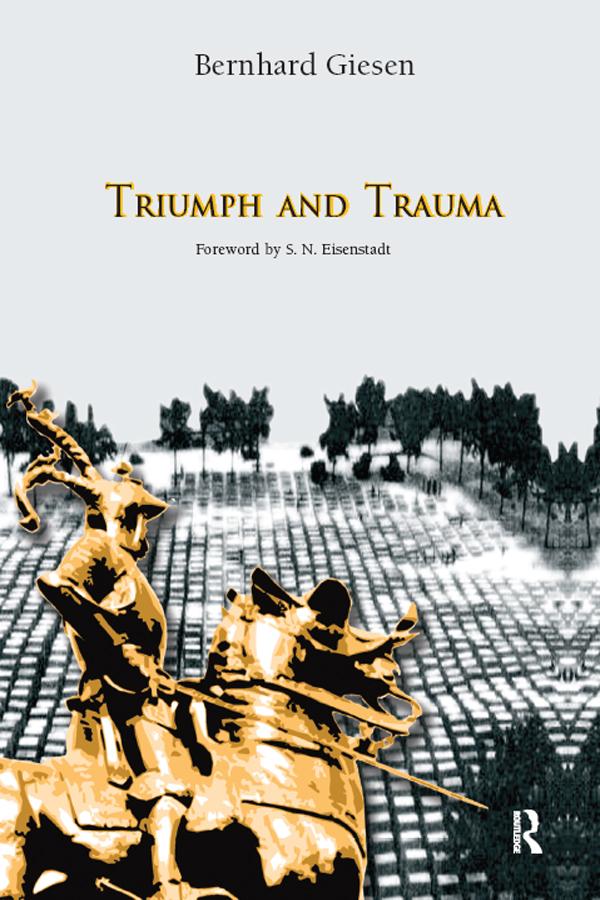
This book deals with triumphant and tragic heroes, with victims and perpetrators as archetypes of the Western imagination. A major recent change in Western societies is that memories of triumphant heroism-for example, the revolutionary uprising of the people-are increasingly replaced by the public remembrance of collective trauma of genocide, slavery and expulsion. The first part of the book deals with the heroes and victims and explores the social construction of charisma and its inevitable decay. Part 2 focuses on a paradigm case of the collective trauma of perpetrators: German national identity between 1945 and 2000. After a time of latency, the legacy of nationalistic trauma was addressed in a public conflict between generations. The conflict took center stage in vivid public debates and became a core element of Germany's official political culture. Today public confessions of the guilt of the past have spread beyond the German case. They are part of a new post-utopian pattern of collective identity in a globalised setting.
Betal enkelt med kort, Klarna, Apple Pay eller Google Pay. Ikke fornøyd? Du har alltid 14 dagers angrerett. Les mer i våre vilkår. Har du spørsmål, send oss en e-post på hello@memmo.org.
Memmo gjør det enklere å studere – uansett hvor du er i verden. Hos oss samler du pensumbøker og smarte studieverktøy på ett og samme sted: sammendrag, quizer, podkaster og flashcards. Og så Ted, din studiekompis som svarer på alt du lurer på. Over 50 000 studenter studerer allerede her – bygget for at du skal lære raskere og stresse mindre.
Du vil kanskje også like
Kjøp boken0