
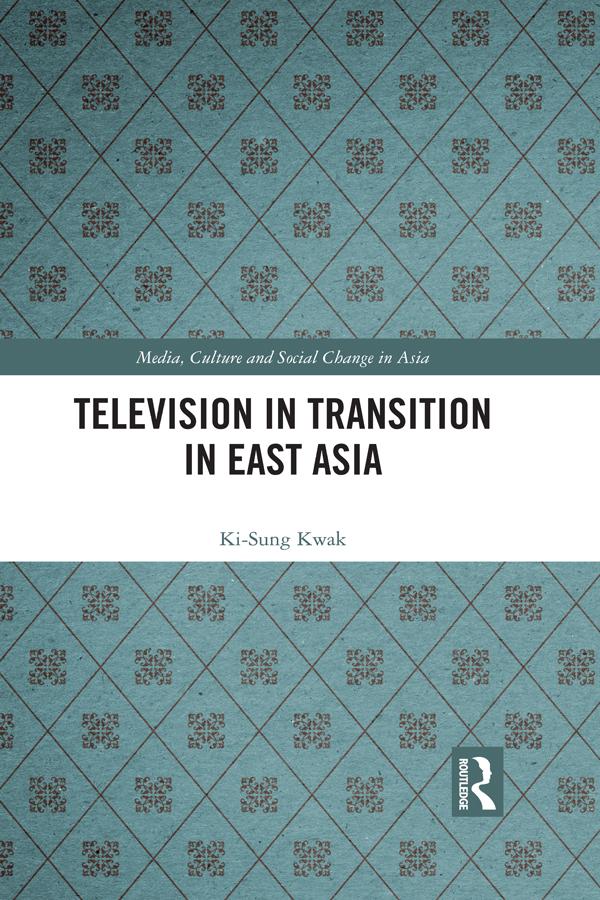
This book examines the development of television broadcasting in Japan, Hong Kong and South Korea. It explores the policy regimes guiding the development of television broadcasting as a powerful institution and the extent to which new forms of television have become part of each country’s contemporary media mix. It analyses the interests involved in key policy decisions, the institutional dynamics promoting or inhibiting new media markets, and the relative importance in the different countries of cable, satellite, digital broadcasting, and the use of the Internet for purposes associated with television broadcasting. The nature of television regimes in each of the three countries is very different, and the contrasting situations provide great insights into how television is developing, and how it could develop further, both in East Asia and worldwide.
Betal enkelt med kort, Klarna, Apple Pay eller Google Pay. Ikke fornøyd? Du har alltid 14 dagers angrerett. Les mer i våre vilkår. Har du spørsmål, send oss en e-post på hello@memmo.org.
Memmo gjør det enklere å studere – uansett hvor du er i verden. Hos oss samler du pensumbøker og smarte studieverktøy på ett og samme sted: sammendrag, quizer, podkaster og flashcards. Og så Ted, din studiekompis som svarer på alt du lurer på. Over 50 000 studenter studerer allerede her – bygget for at du skal lære raskere og stresse mindre.