
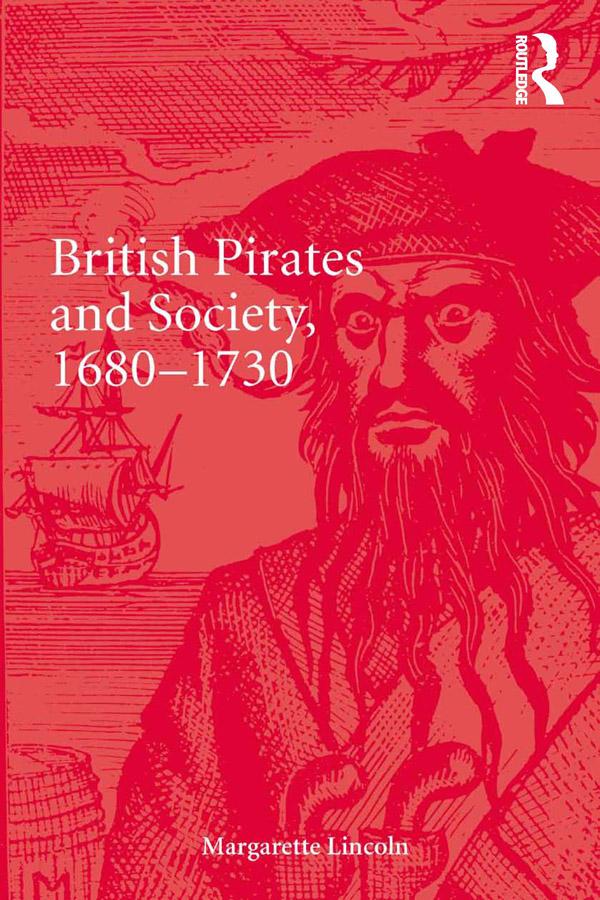
This book shows how pirates were portrayed in their own time, in trial reports, popular prints, novels, legal documents, sermons, ballads and newspaper accounts. It examines how attitudes towards them changed with Britain’s growing imperial power, exploring the interface between political ambition and personal greed, between civil liberties and the power of the state. It throws light on contemporary ideals of leadership and masculinity - some pirate voyages qualifying as feats of seamanship and endurance. Unusually, it also gives insights into the domestic life of pirates and investigates the experiences of women whose husbands turned pirate or were captured for piracy. Pirate voyages contributed to British understanding of trans-oceanic navigation, patterns of trade and different peoples in remote parts of the world. This knowledge advanced imperial expansion and British control of trade routes, which helps to explain why contemporary attitudes towards piracy were often ambivalent. This is an engaging study of vested interests and conflicting ideologies. It offers comparisons with our experience of piracy today and shows how the historic representation of pirate behaviour can illuminate other modern preoccupations, including gang culture.
Betal enkelt med kort, Klarna, Apple Pay eller Google Pay. Ikke fornøyd? Du har alltid 14 dagers angrerett. Les mer i våre vilkår. Har du spørsmål, send oss en e-post på hello@memmo.org.
Memmo gjør det enklere å studere – uansett hvor du er i verden. Hos oss samler du pensumbøker og smarte studieverktøy på ett og samme sted: sammendrag, quizer, podkaster og flashcards. Og så Ted, din studiekompis som svarer på alt du lurer på. Over 50 000 studenter studerer allerede her – bygget for at du skal lære raskere og stresse mindre.
Du vil kanskje også like
Kjøp boken0