
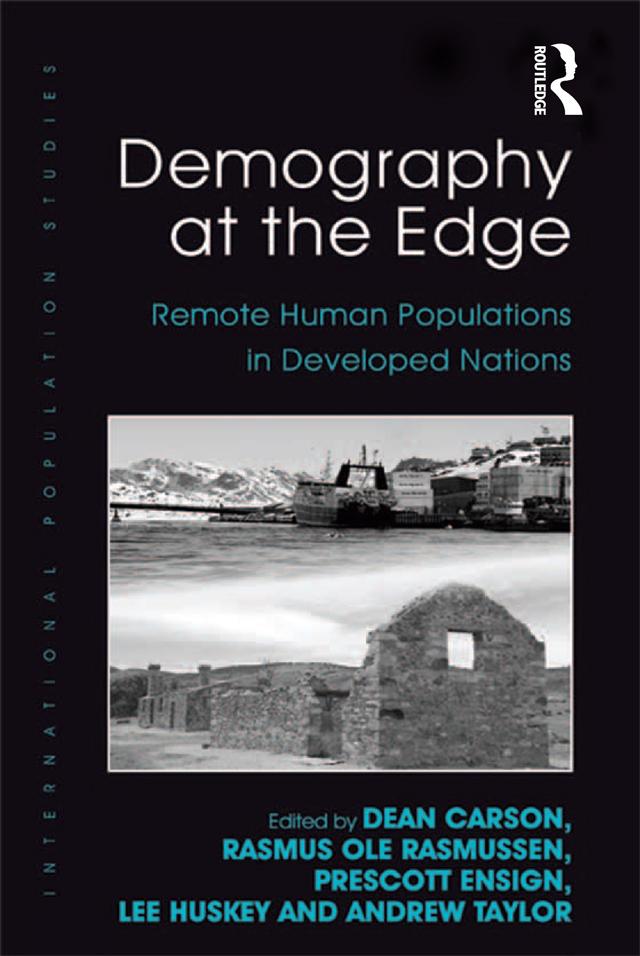
Addressing the methodological and topical challenges facing demographers working in remote regions, this book compares and contrasts the research, methods and models, and policy applications from peripheral regions in developed nations. With the emphasis on human populations as dynamic, adaptive, evolving systems, it explores how populations respond in different ways to changing environmental, cultural and economic conditions and how effectively they manage these change processes. Theoretical understandings and policy issues arising from demographic modelling are tackled including: competition for skilled workers; urbanisation and ruralisation; population ageing; the impacts of climate change; the life outcomes of Indigenous peoples; globalisation and international migration. Based on a strong theoretical framework around issues of heterogeneity, generational change, temporariness and the relative strength of internal and external ties, Demography at the Edge provides a common set of approaches and issues that benefit both researchers and practitioners.
Betal enkelt med kort, Klarna, Apple Pay eller Google Pay. Ikke fornøyd? Du har alltid 14 dagers angrerett. Les mer i våre vilkår. Har du spørsmål, send oss en e-post på hello@memmo.org.
Memmo gjør det enklere å studere – uansett hvor du er i verden. Hos oss samler du pensumbøker og smarte studieverktøy på ett og samme sted: sammendrag, quizer, podkaster og flashcards. Og så Ted, din studiekompis som svarer på alt du lurer på. Over 50 000 studenter studerer allerede her – bygget for at du skal lære raskere og stresse mindre.
Du vil kanskje også like
Kjøp boken0