
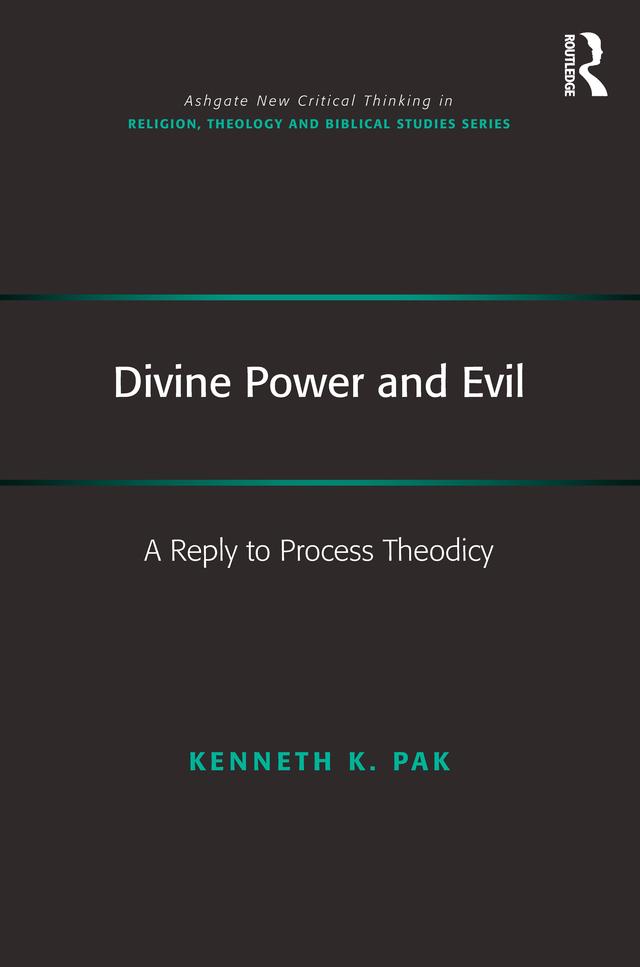
Evil perplexes us all and threatens to undermine the meaningfulness of our existence. How can we reconcile the reality of evil with the notion of a God who is perfectly good and powerful? Process theodicy, whose foremost proponent is David Griffin, suggests one answer: because every being possesses its own power of self-determination in order for God to attain the divine aim of higher goodness for the world, God must take the risk of the possibility of evil. Divine Power and Evil responds to Griffin's criticisms against traditional theodicy, assesses the merits of process theodicy, and points out ways in which traditional theism could incorporate a number of Griffin's valuable insights in progressing toward a philosophically and theologically satisfactory theodicy. It provides a new and important contribution to a long-standing debate within philosophy of religion and theology.
Betal enkelt med kort, Klarna, Apple Pay eller Google Pay. Ikke fornøyd? Du har alltid 14 dagers angrerett. Les mer i våre vilkår. Har du spørsmål, send oss en e-post på hello@memmo.org.
Memmo gjør det enklere å studere – uansett hvor du er i verden. Hos oss samler du pensumbøker og smarte studieverktøy på ett og samme sted: sammendrag, quizer, podkaster og flashcards. Og så Ted, din studiekompis som svarer på alt du lurer på. Over 50 000 studenter studerer allerede her – bygget for at du skal lære raskere og stresse mindre.