
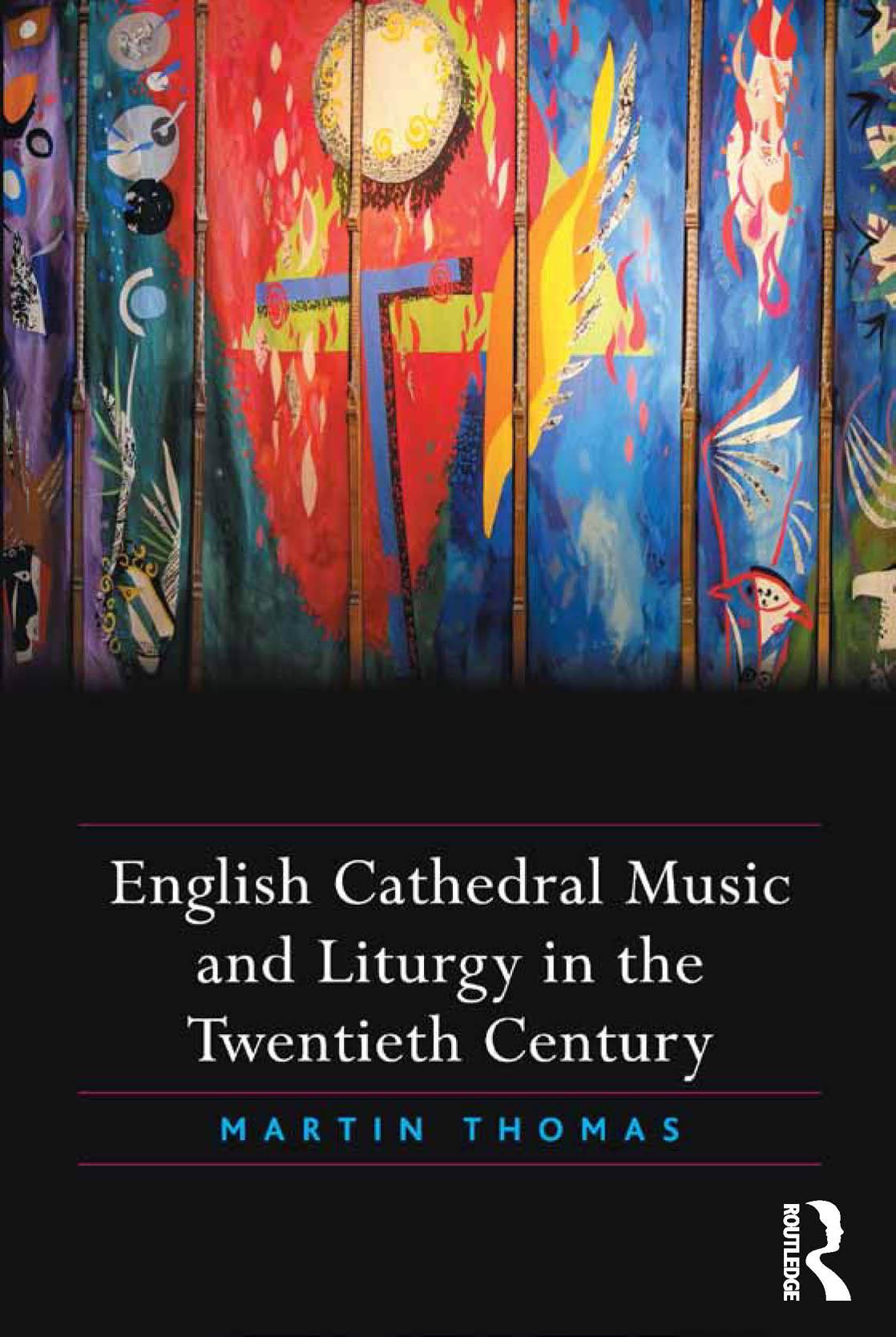
This book examines the stylistic development of English cathedral music during a period of liturgical upheaval, looking at the attitudes of cathedral clergy, liturgists, composers, leading church music figures and organisations to music and liturgy. Arguments that were advanced for retaining an archaic style in cathedral music are considered, including the linking of musical style with liturgical language, the recommending of a subservient role for music in the liturgy, and the development of a language of fittingness to describe church music. The roles of the RSCM and other influential bodies are explored. Martin Thomas draws on many sources: the libraries and archives of English cathedrals; contemporary press coverage and the records of church music bodies; publishing practices; secondary literature; and the music itself. Concluding that an arresting of development in English cathedral music has prevented appropriate influences from secular music being felt, Thomas contrasts this with how cathedrals have often successfully and dynamically engaged with the world of the visual arts, particularly in painting and sculpture. Presenting implications for all denominations and for patronage of the arts by churches, and the place of musical aesthetics in the planning of liturgy, this book offers an important resource for music, theology, liturgy students and ministry teams worldwide.
Betal enkelt med kort, Klarna, Apple Pay eller Google Pay. Ikke fornøyd? Du har alltid 14 dagers angrerett. Les mer i våre vilkår. Har du spørsmål, send oss en e-post på hello@memmo.org.
Memmo gjør det enklere å studere – uansett hvor du er i verden. Hos oss samler du pensumbøker og smarte studieverktøy på ett og samme sted: sammendrag, quizer, podkaster og flashcards. Og så Ted, din studiekompis som svarer på alt du lurer på. Over 50 000 studenter studerer allerede her – bygget for at du skal lære raskere og stresse mindre.
Du vil kanskje også like
Kjøp boken0